
CHISINAU – Moldova is keeping its energy sector on heightened readiness for another month as winter approaches, even as improved water conditions allow the country to move beyond the combined energy and hydrological emergency imposed in September.
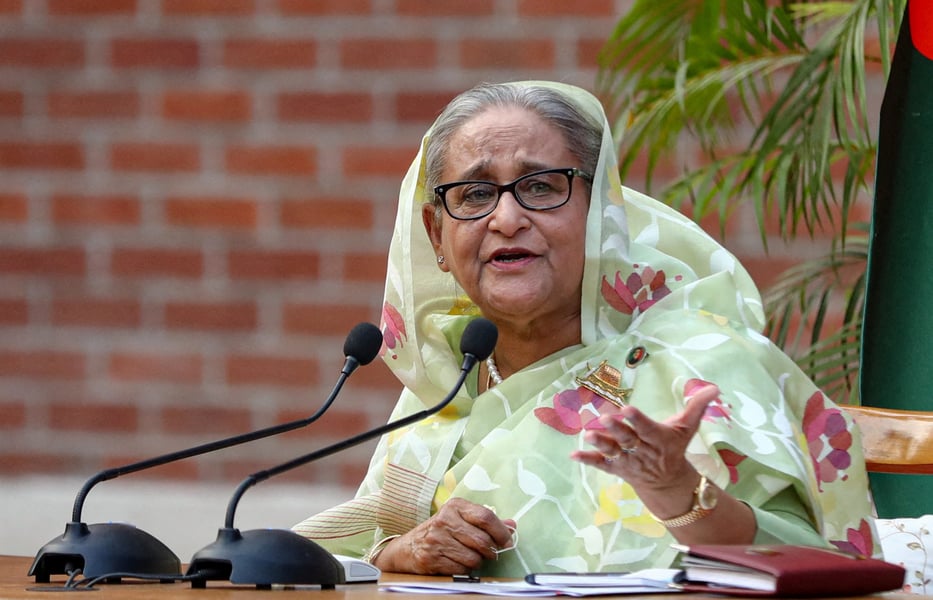
The Government of Moldova approved a nationwide, 30-day energy alert starting Wednesday, November 25. Prime Minister Vasile Tofan said conditions affecting water supplies had improved, while the energy sector continued to face difficulties. The decision keeps a special response framework in place rather than declaring that the supply risks have passed.
The distinction matters for households and businesses: an alert prepares authorities to intervene if supplies come under pressure. It is not, by itself, a timetable for electricity cuts. Nor should the new energy-only measure be described simply as another month of the earlier emergency covering both power and water.
The Cabinet resolution, quoted by TASS, says the heightened-readiness regime is intended to manage risks to energy-supply security during the cold season. It applies across the country for 30 days from November 25. The report describes powers to regulate supplies, consumption and exports of gas, electricity and fuel.
Tofan linked the change in scope to the different conditions in the two sectors. Water conditions had improved following rainfall, he said, but the energy situation remained strained. The government’s decision therefore preserves heightened readiness for energy while moving away from the combined framework that had applied for the preceding two months.
The National Crisis Management Centre described the new alert as a preventive response to continuing cold-season supply risks. It said the hydrological measures cease with the expiry of the earlier emergency. Keeping an energy alert in place allows the authorities to maintain readiness as circumstances change.
The earlier timetable is documented in a parliamentary statement: lawmakers approved a 60-day nationwide emergency on September 22, with an effective date of September 26. The vote and the date the emergency began were separate events. The 60-day period ended on November 24, immediately before the new alert’s stated starting date.
That earlier decision had a wider remit. Parliament said it sought to prevent shortages of fuel and maintain electricity and district-heating supplies alongside Moldova’s natural-gas supplies. It also addressed low water levels in the Dniester and Prut river basins, drinking-water supplies and the protection of vital water-intake facilities.
The September framework gave the National Crisis Management Commission powers over the procurement, stockpiling and distribution of energy resources, according to the parliamentary statement published by Moldpres. It allowed temporary restrictions on exports from strategic storage facilities while prioritising fuel imports and customs clearance. Those measures belonged to the earlier emergency.
Its electricity provisions made the direction of the trade controls important. They concerned the use of interconnection capacity for electricity exports and priority supplies for vital consumers. They did not describe a general policy of restricting electricity imports into Moldova. Export controls keep resources available for domestic use; prioritised import procedures are intended to bring supplies into the country.
The earlier resolution also allowed programmes to reduce non-essential electricity use in the public and industrial sectors during peak hours. Parliament presented those programmes as a way to protect households and critical infrastructure from potential interruptions, rather than as a declaration that every consumer would face a scheduled outage.
Other provisions concerned the costs and logistics of maintaining supplies. The emergency framework allowed temporary intervention in price-cap mechanisms and commercial or logistics margins, alongside the possibility of reviewing excise duties and taxes. Permission to consider those tools did not mean that every possible adjustment had been implemented.
District-heating operators were another part of the September decision. It allowed technical exemptions so heating systems could adjust their operating regimes without financial penalties, and envisaged access to state reserves and faster procurement of equipment for emergency interventions. The objective was to keep essential infrastructure functioning under pressure.
The information requirements were similarly operational. Licensed operators were required to report available stocks daily during the emergency, while the authorities could organise dedicated fuel-transport corridors and simplify administrative procedures. Such measures were designed to give decision-makers a clearer view of shortages and bottlenecks before they interrupted essential services.
Those September provisions help explain the difference between maintaining readiness and ordering a specific restriction. They do not establish that every power available under the former emergency automatically continues unchanged under November’s alert. Individual actions need to be distinguished from the decision to maintain the special energy-sector regime itself.
The Ministry of Energy has been tasked with managing the energy response. The public purpose of the new alert is to protect Moldova’s energy security during the cold season, not a guarantee that conditions cannot deteriorate. The announced 30-day period identifies how long the heightened-readiness framework is intended to operate, not when a particular shortage is expected to occur.
For consumers, the immediate decision is therefore narrower than a nationwide blackout order: energy authorities remain on heightened readiness while the water-related emergency measures fall away. Which specific supply or consumption controls will be activated first, if risks worsen, is not established by the Cabinet’s announcement alone.