
DOHA – Qatar warned on Monday that the Iran war’s disruption to energy supplies, trade and growth has yet to peak, while rejecting transit fees in the Strait of Hormuz and calling for continued dialogue with Tehran.
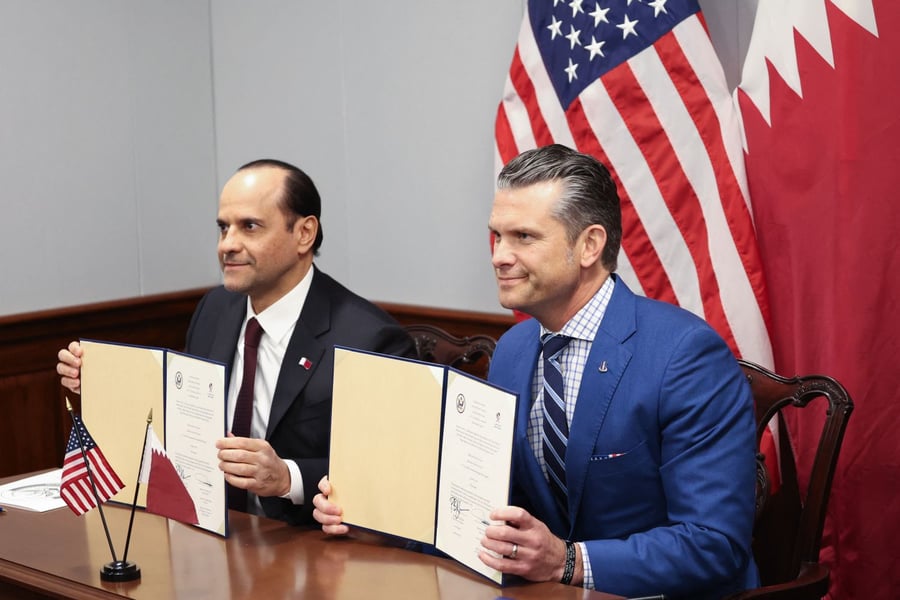
Deputy Prime Minister Sheikh Saoud bin Abdulrahman Al Thani, who also serves as minister of state for defence affairs, told the Global Security Forum: “We haven’t reached the peak with respect to energy.” He warned of further repercussions “in the coming days and months”, Al Jazeera reported.
The warning follows a sharp deterioration in Qatar’s finances. The Emir told the Shura Council last week that government revenue fell 42 percent in the first half of the year.
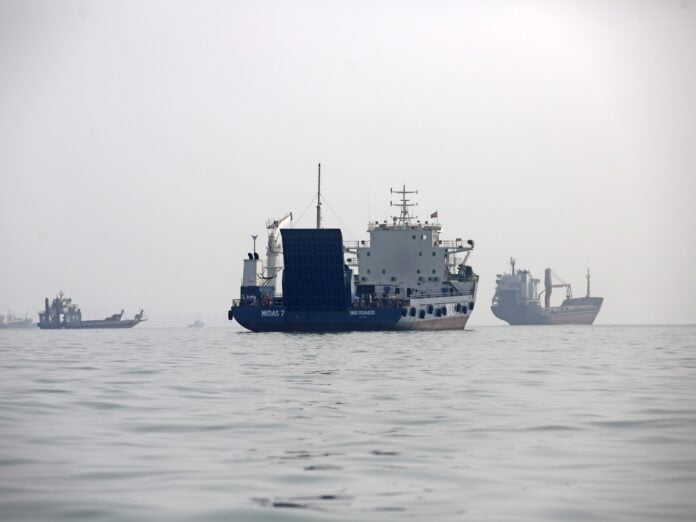
Oil flows through Hormuz averaged 11.6 million barrels a day in the seven days to October 13, about 68 percent of a pre-war baseline of 17.1 million, according to Kpler figures reported by Al Jazeera. Those figures describe a seven-day average, not a single day’s shipments.
“Transit fees should not be applied,” Al Thani said, warning that uncertainty over the waterway would reach consumers worldwide. The question of Hormuz transit tolls remained unresolved after Doha talks in July.

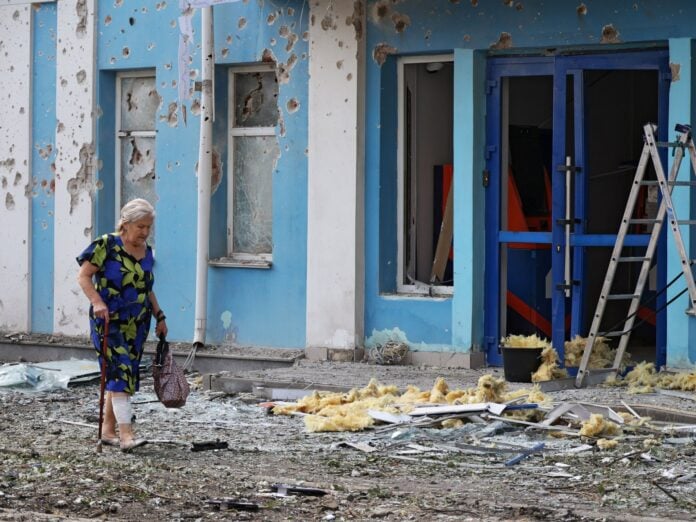
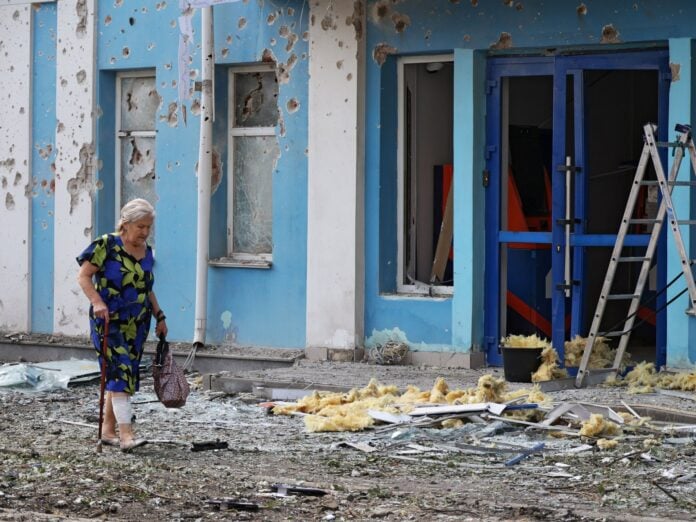
Iranian strikes damaged Qatar’s Ras Laffan industrial complex in March, with repairs expected to take years, according to Al Jazeera. The disruption extends beyond gas: The Eastern Herald has reported helium rationing at a Chicago laboratory as Qatari supplies remain constrained.
Despite the attacks, Al Thani said Qatar maintained contact with Iran at different levels. “Iran is our neighbour. We need to find ways to live with them,” he said, pointing to their shared offshore gasfield and economic interests.
He called for broader regional dialogue involving Gulf countries, Pakistan and Turkey. That position follows a GCC ministerial communiqué seeking Gulf participation in US-Iran talks.
Al Thani also outlined plans for a regional defence partnership covering air defence, counter-drone measures and cybersecurity, without naming its partners. He credited longstanding military cooperation with Washington for preventing “more than 90 percent” of attacks, a figure presented as his assessment.
“Mediation doesn’t mean that we should not be ready for any defensive action from our side,” he said.