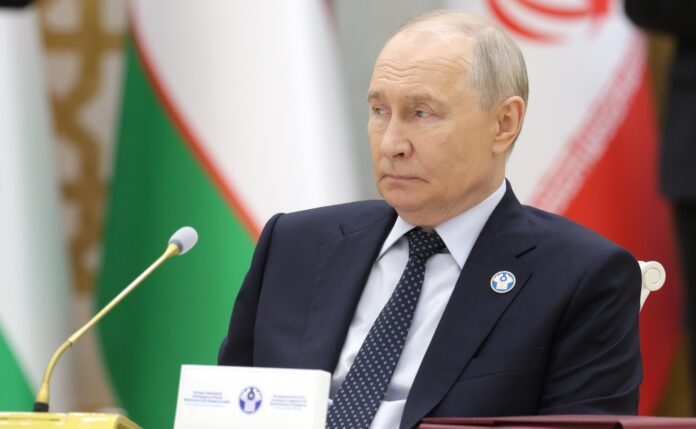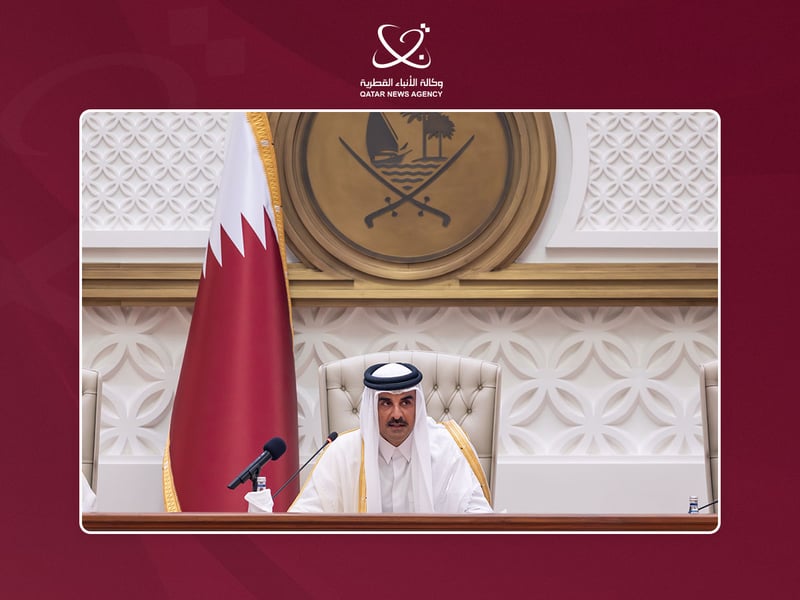

DOHA — Qatar’s government revenue fell 42 percent in the first half of the year, and Emir Sheikh Tamim bin Hamad Al Thani told the Shura Council on Tuesday that the state still cut no essential service.
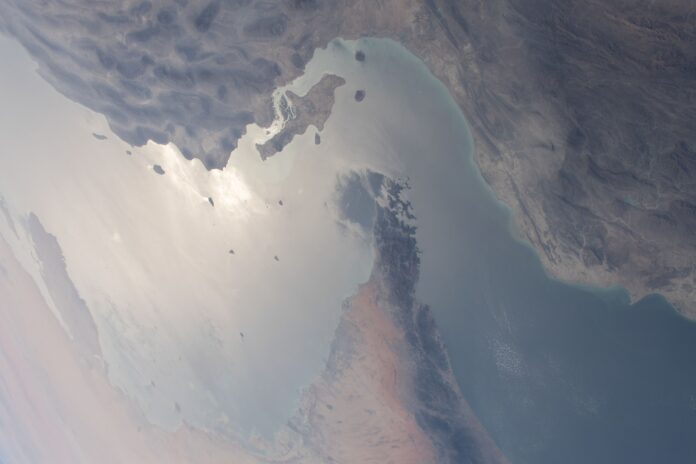
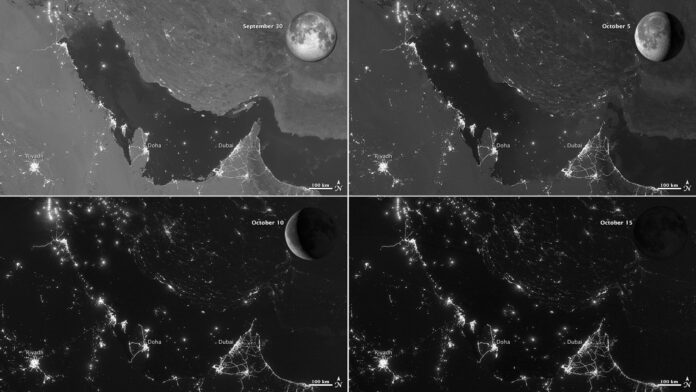
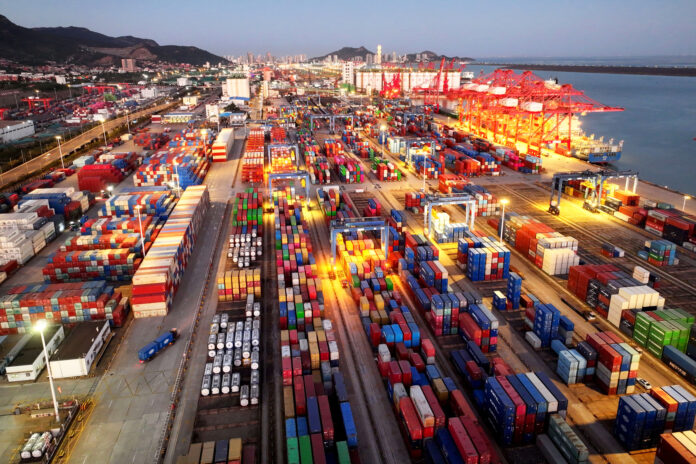
Spending fell 14 percent over the same period, the Emir said, without “compromising essential services or development priorities.” The numbers came in his speech opening the council’s 55th annual session, the text of which was published by the Qatar News Agency. He gave the cause plainly: Qatar supplies about a fifth of the world’s liquefied natural gas trade, and the closure of the Strait of Hormuz, together with direct damage to energy facilities in Ras Laffan Industrial City, disrupted a significant portion of its exports.
His case for resilience rests on the rest of the economy. Non-hydrocarbon sectors still account for about 80 percent of real GDP, he said, and in 2025 the economy grew 2.9 percent with inflation at 0.5 percent and a current account surplus. High sovereign credit ratings held. Qatar’s government now sees the recovery as a springboard rather than a return to the old model, with about 221 billion riyals of projects and investment opportunities over five years, and the Emir asked lawmakers to pass legislation to strengthen the private sector.
The speech set out four elements of the government’s approach to the crisis: defending the homeland without being drawn into war, keeping services and supply chains running, helping secure a ceasefire and reopen waterways, and urging negotiations. Work on the North Field gas expansion, he said, is progressing as planned, and the Golden Pass project in the United States has advanced.
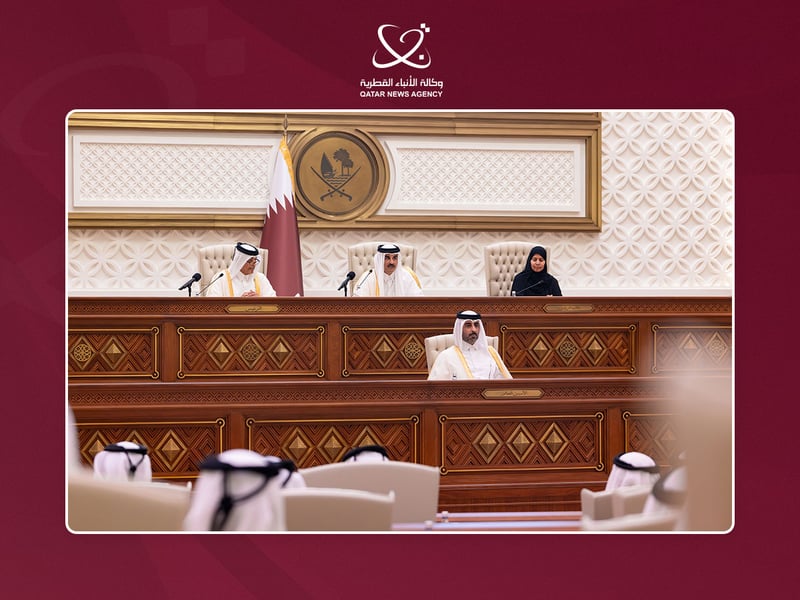
On Iran, the Emir was direct: Qatar “was attacked on its territory by Iran,” he said, in violation of its sovereignty and international law, and its forces did their duty. He added that commitment to dialogue does not mean complacency, and that defending sovereignty does not conflict with preventing a wider war. Iran has said it was targeting only US interests among its neighbours, Euronews noted. He also called for stronger Gulf Cooperation Council coordination on navigation in the Gulf and the Hormuz strait, and said what has happened in Gaza is “undoubtedly a genocide” for which those responsible must not escape accountability.
The text is silent on the size of the hole. It gives percentages for revenue and spending but no riyal figures, no deficit and no date for restoring export volumes. The IMF’s March 2027 outlook for reopening Hormuz, which TEH reported, shows how long the gap could run. For now the Emir’s numbers describe a government that has spent less, earned far less and says it has held the line.