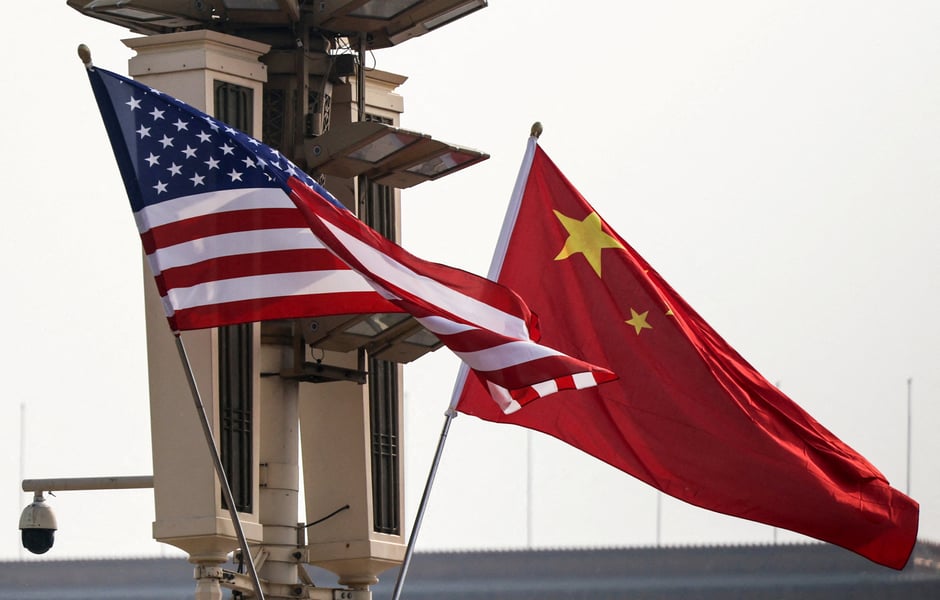

China’s Ministry of Commerce urged Washington on October 24 to abandon a proposed expansion of restrictions on American investment in sensitive technologies, warning of harm to commercial ties and reserving the right to respond. Beijing did not identify any countermeasures it would take.
The dispute follows the US Treasury Department’s October 22 proposed update to its Outbound Investment Security Program. The draft adds biotechnology and expands coverage of high-performance computing and hypersonic systems, alongside existing controls involving semiconductors, quantum technologies and artificial intelligence.
Reuters reported that the ministry described the expansion as discriminatory and said it ran against understandings reached by the two countries’ presidents. Treasury says the restrictions are intended to keep US capital from helping develop technologies with military, intelligence or surveillance applications. The proposed framework extends beyond China.
https://x.com/Reuters/status/2113996452141613524
For China’s biotechnology sector, the draft identifies particular activities rather than prohibiting every life-sciences investment. Treasury’s summary lists certain bio-derived compounds and materials, brain-computer interfaces, biomanufacturing equipment and facilities, and tools for biological design and automated experimentation.
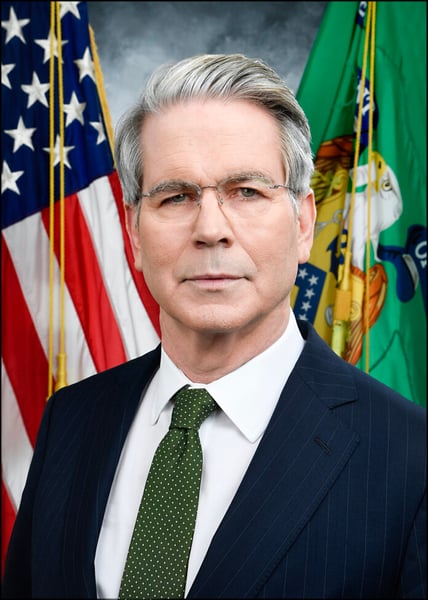
The Treasury fact sheet distinguishes transactions that would be prohibited from those requiring notification. It proposes exceptions for categories including publicly traded securities and certain fund investments. Its $50,000 de minimis exception applies only to notification requirements, not as a general exemption for prohibited transactions. Treasury Secretary Scott Bessent said the proposal would strengthen national-security protections.
The disagreement sits alongside previously announced US-China AI safety dialogue plans. Beijing says Washington’s approach undermines cooperation; Treasury presents its restrictions as compatible with an open investment environment. Those are the governments’ competing positions, not a finding that either side has breached an agreement.
The video below covers the US proposal on October 23, before China’s Saturday response.
Public comments close December 7, according to Treasury. The proposal itself does not bring the expanded restrictions into effect: final regulations will establish that date. Existing outbound-investment rules remain applicable in the meantime.