
OTTAWA — Canadians who heat their homes with oil are heading into winter facing a bill that Statistics Canada says is 57.8 percent higher for fuel oil and other fuels than a year ago, with the jump landing hardest in Atlantic Canada, where fuel oil is more widely used.
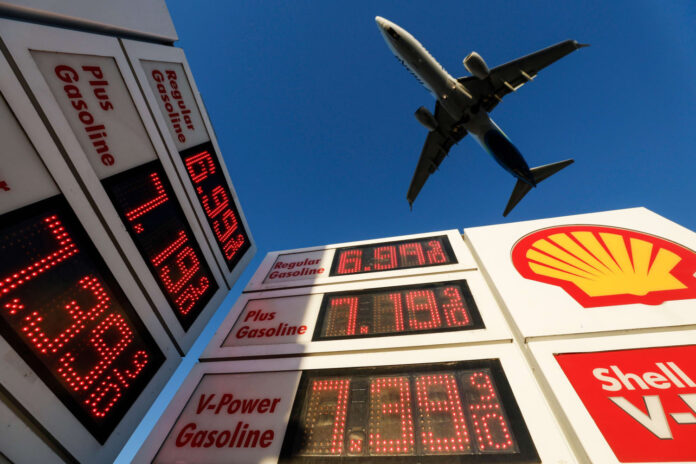
The agency’s consumer price index rose 3.1 percent in September from a year earlier, up from 3.0 percent in August, and the acceleration was led by gasoline, which cost 27.8 percent more than a year ago against 22.8 percent in August. Excluding gasoline, inflation was 2.2 percent, down from 2.4. Gasoline also drove the September CPI inflation reading in the United States, as TEH reported last week.
That split is the problem for the Bank of Canada, which has held its policy rate at 2.25 percent since October 2025 and announces its next decision on Oct. 28. On Sept. 2 the Bank said there had been “little evidence of higher energy prices spreading to other components of inflation.” Monday’s figures did not overturn that. All three core measures that Statistics Canada publishes on the Bank’s definitions eased: CPI-trim to 1.8 percent from 1.9, CPI-median to 1.9 from 2.0, and CPI-common to 2.4 from 2.6.
Statistics Canada reported that grocery prices rose 1.7 percent, the smallest annual gain since May 2024, though they remain 33.0 percent above their September 2020 level. The monthly figure depends on the lens: prices rose 0.1 percent in September unadjusted and 0.4 percent seasonally adjusted. The agency also noted that a switch to cheaper winter-blend gasoline held down the gasoline increase.
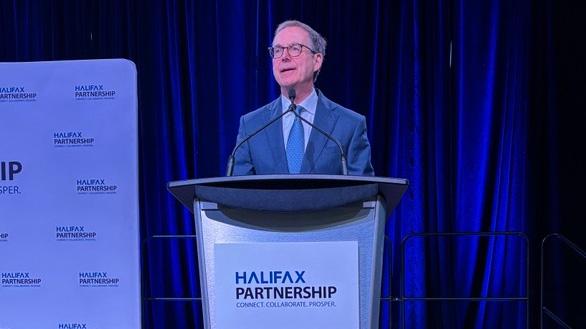
Governor Tiff Macklem told a Halifax audience on Sept. 21 that the Bank had been “looking through the direct impact of higher oil prices on inflation because so far, we haven’t seen a lot of evidence that these higher costs are spreading to other goods and services.” He added that the Bank was “watching closely.” He said Canada’s retaliatory tariffs would add costs for some businesses, but that he expected their effect on inflation to be modest.
What the Bank thinks now is not on the record. Macklem met journalists from the sidelines of the International Monetary Fund meetings in Bangkok on Saturday, and the Bank’s page for the roundtable says only that it took place and that reporting was embargoed until 9:00 a.m. Eastern. Its third-quarter Business Outlook Survey was scheduled for 11:30 a.m. Monday. The October forecast will also be the first built on a new model, Prima, which Macklem said should help the Bank “distinguish between temporary inflation pressures and those that could prove more persistent.” Whether it reads a 57.8 percent jump in fuel oil and other fuels as one winter’s problem or the first link in a chain is something no figure released Monday can answer.