
WASHINGTON — Gasoline did more than half the work. U.S. consumer prices rose 0.6 percent in September, the Bureau of Labor Statistics said on Wednesday, and the agency attributed over half of that monthly increase to a 9.1 percent jump in gasoline alone.
Over twelve months, headline inflation reached 3.7 percent, above the 3.6 percent economists polled by Dow Jones had forecast, according to NBC News. Strip out food and energy and the picture changes: core prices rose 0.3 percent on the month and 2.6 percent on the year.
That gap is the story. Energy rose 5.2 percent in September and 20.4 percent over twelve months, with gasoline up 34.2 percent. Food was flat on the month. Prescription drugs fell 1.2 percent, beef 1.0 percent and dairy 0.9 percent. This is an oil-shock inflation rather than a broad one, and its source is a war that began when the United States and Israel attacked Iran on February 28, and a Strait of Hormuz that remains disrupted.
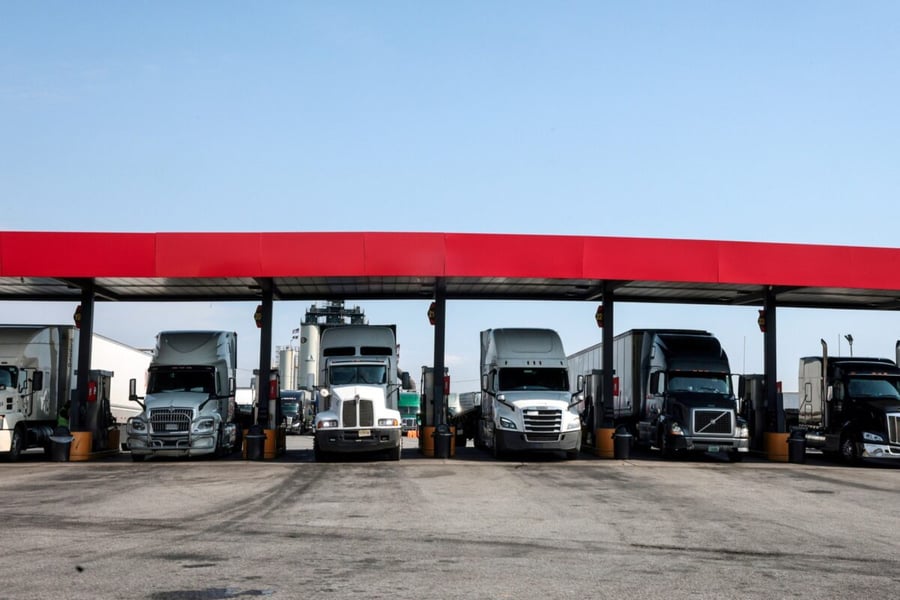
Diesel is worse. Retail diesel is up 70 percent since the war began and unleaded gasoline more than 45 percent, NBC News reported. Tom Kloza, an adviser at Gulf Oil, wrote on X that the retail diesel record of $6.53 a gallon “could be topped by the midterms.” Trump’s deal with Putin to buy previously sanctioned Russian diesel was pitched as a way to add supply, but analysts told NBC it amounts, at best, to less than two weeks of U.S. demand.
Markets reacted at once. Stock futures fell and bond yields rose as traders reassessed the chance of a Federal Reserve rate hike this month, NBC News reported; before the report, it said, markets had expected the Fed to wait until December. A hike would reach mortgages, credit cards and car loans. Wage growth is about 3 percent a year, so paychecks have not outpaced prices since March.
The timing is political. This is the last inflation report before the November midterms, and early voting begins this week. The IMF Hormuz forecast EH covered on Tuesday assumes the strait stays shut until March 2027, which, if it holds, would outlast polling day.
What the Fed does with a 2.6 percent core reading and a 9.1 percent gasoline month is the question this report does not answer. The BLS release gives the arithmetic; it does not say how long an oil price lasts.