
CUPERTINO – Apple Inc. (NASDAQ: AAPL) beat fiscal fourth-quarter sales expectations, but investors sold the shares after the company forecast lower holiday-quarter profit margins. Rising memory-chip costs and spending on Siri AI clouded John Ternus’s first earnings report as chief executive, despite record September-quarter revenue.
Apple reported $114.5 billion in revenue for the three months ended September 26, up 12% from a year earlier, and diluted earnings of $2.10 a share, up 14%. The figures were released on Monday, November 2.
The results and the outlook pointed in different directions. Revenue exceeded the $113.4 billion Wall Street target reported by Fortune, but the holiday gross-margin forecast was 45% to 46%, below the 47.9% Apple recorded in the completed quarter. The question was not simply whether customers were buying Apple products. It was how much of those sales Apple would retain after the costs of producing and supporting them.
Shares fell as much as 4% in Monday’s after-hours trading before recovering some ground to trade down 2.7%, Fortune reported. Those are snapshots of extended trading after the earnings release, not a regular-session closing decline or a current Tuesday share-price quote.
There was an important qualification inside Apple’s own earnings announcement. Tariff refunds added approximately one percentage point to the reported gross margin and five cents to earnings per share. The headline figures therefore included a benefit that should not automatically be carried into a forecast of recurring profitability.
Removing the disclosed five-cent benefit from reported EPS leaves $2.05 a share. Subtracting the roughly one-point margin benefit produces approximately 46.9%. These are simple calculations from Apple’s disclosures, not separately reported adjusted results. They help explain why a record quarter and a worried market reaction can coexist.
The holiday guidance still implies pressure even against that lower, refund-excluded margin calculation. Gross margin measures what remains from revenue after the costs of sales, before operating expenses and other items. A change in that percentage can matter even when the sales base continues to expand.
The sales outlook itself was not a forecast of contraction. Apple projected holiday-quarter revenue growth of 7% to 10% from a year earlier, according to Fortune. Its report put the implied revenue range above the analyst expectation it cited. Describing the sell-off simply as a response to weak sales guidance would miss the more specific concern about costs and profitability.
Apple’s finance chief, Kevan Parekh, linked the 45% to 46% gross-margin range to more expensive memory and costs associated with expanding Siri AI. Ternus described the memory situation as unprecedented, Fortune reported. Apple has raised prices across its product line to help offset component pressure, but the forecast shows that pricing alone has not eliminated the strain.
That creates a test for the new leadership. Higher prices can protect revenue and help recover component costs, while new devices can encourage upgrades. Neither guarantees a stable margin if inputs become more expensive or supporting services cost more to deliver. The results did not establish how long the memory-price pressure would last.
The iPhone business provided the quarter’s clearest source of strength. Its revenue rose 17% to $57.58 billion, while Services reached $31.57 billion, up roughly 10%, Fortune reported. The company said those represented a September-quarter record for iPhone and an all-time high for Services. Sales in iPad and wearables declined, leaving the performance uneven across the product portfolio.
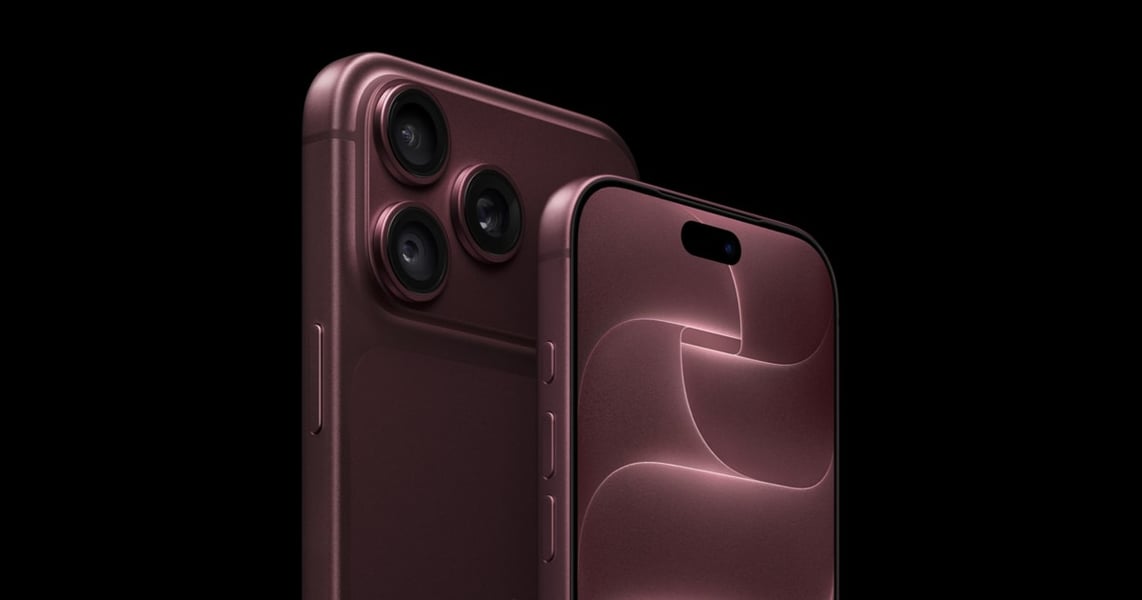
The completed quarter also should not be confused with the products Apple is now selling into the holidays. It ended on September 26. The Eastern Herald’s subsequent reporting on iPhone Duo launch inventory and the touchscreen MacBook Pro launch concerns later developments, not evidence that those launches generated the revenue just reported.
Apple’s cash generation remained substantial. It said operating cash flow was $28 billion in the quarter and that it returned $28 billion to shareholders. The board declared a 27-cent dividend payable November 16 to shareholders of record at the close of business on November 12. Full-year revenue reached a record $479 billion, according to the company.
For investors, those figures establish the scale and resilience of the business without resolving the next quarter’s cost problem. A dividend announcement and a strong cash-flow quarter do not answer how quickly higher memory costs will feed through to products sold during the busiest shopping period.
The next earnings report will show whether Apple’s expanded lineup can convert demand into profit at the pace investors expect. Monday’s release established record September-quarter sales. It did not establish when the pressure from memory costs and the Siri AI rollout would ease.