
Apple has launched an experimental AI health chat app with OpenEvidence as part of a US study open to up to 200,000 eligible adults. The project will examine how people understand and trust AI-generated health information, and whether optional access to personal health data makes responses more useful.
Announced on November 15, the Apple Health AI Usage Study combines OpenEvidence’s medical AI technology with an Apple-designed research experience. It is a research initiative, not a service intended to diagnose conditions or replace medical advice, according to Apple’s announcement.
The companies introduced the partnership at the HLTH conference in Las Vegas, according to STAT’s report.
How the AI health chat app works
Participants can ask everyday health questions, explore medical information explained in accessible language and view linked, peer-reviewed clinical citations supporting the responses, Apple said. OpenEvidence’s technology draws on medical sources including The New England Journal of Medicine, the Journal of the American Medical Association and Nature.
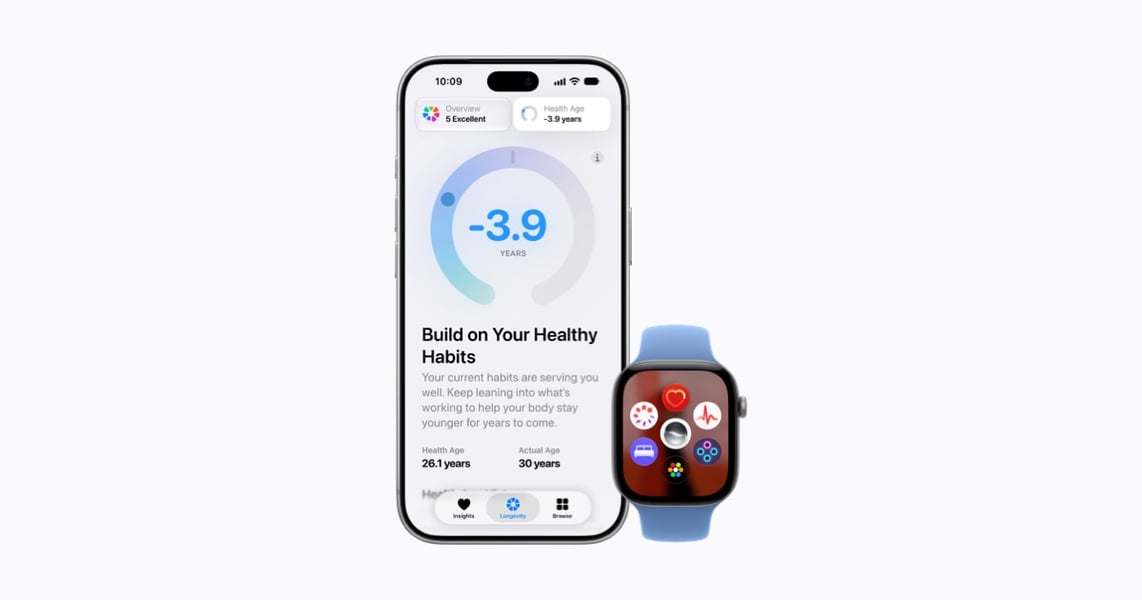
Users can choose to share HealthKit information, such as resting heart rate, activity, sleep or laboratory results. Researchers will investigate whether that personal context improves the relevance of answers and participants’ understanding of them. Sharing these health measurements is optional.
The study will also explore whether conversational AI can help participants prepare for appointments with their doctors.
Who can join the study?
Apple says enrollment is open to up to 200,000 eligible US adults aged 21 or older. Participants need an Apple Intelligence-enabled iPhone running iOS 26 or later. They can review the study information and choose whether to enroll through the dedicated study app.
What researchers want to learn
The study will examine user trust, response quality, comprehension and everyday health actions. Researchers want to understand how participants interpret answers and use that information.
Apple acknowledged that tools powered by large language models can produce incomplete or unclear responses. The launch does not establish that AI-generated health answers improve medical outcomes.
What Apple says about privacy
Apple says study data will not be used to train AI models. Participants retain control over whether they share HealthKit measurements or survey responses, and the company says it has implemented security measures to protect the study data it maintains. These statements describe Apple’s announced protections for this study, not every Apple or OpenEvidence product.
The app does not replace medical care
Apple says safeguards are intended to detect certain concerning questions and suggest that users contact a healthcare provider or seek other appropriate resources.
The app is not intended to diagnose or treat any condition or replace professional medical advice. Apple says the findings will help inform future health AI experiences by examining how people use the technology and where clearer explanations or safeguards are needed.