
SpaceX caught its Starship spacecraft in the mechanical arms of its Texas launch tower on Saturday, November 14, the first time a Starship has returned from orbit and been recovered, The Associated Press reported.
The spacecraft, Ship 42, returned to Starbase after orbiting Earth 14 times in a flight of about 22 hours. The mission fell short of a full double catch because the Super Heavy booster was lost on Friday.
Starship returns to the tower
According to Reuters, the 52-metre-tall Starship fell out of thick clouds over Starbase, reignited its engines to flip upright and slowly descended into the tower’s “Mechazilla” arms with its engines still firing.
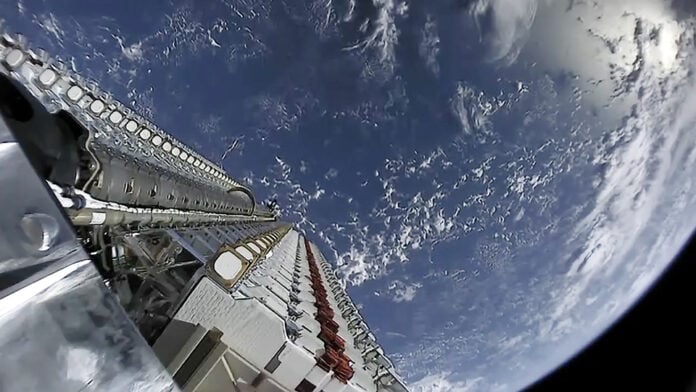
With its aerodynamic fins folded back, two small fittings near the top of the vehicle hooked onto the arms, leaving the ship hanging a few hundred feet above the ground. Before the return, Starship deployed 26 Starlink V3 satellites; three of them carried cameras to inspect the spacecraft’s heat shield.
Elon Musk said on X that he “hugged ship 42 upon its return” and that it “looks great.” NASA Administrator Jared Isaacman called the recovery “almost magic.”
Booster loss prevents a double catch
SpaceX had hoped to recover both stages on this flight. Instead of returning to the pad after liftoff, the first-stage booster was diverted offshore, fell into the Gulf of Mexico and exploded, AP reported. SpaceX had already made three booster catches, which made the miss more surprising.
SpaceX’s Kate Tice said the booster’s engines stopped firing too soon on the way back down. Its guidance system sensed that it was out of position and automatically initiated the diversion and self-destruction. Engineers are still investigating the cause.
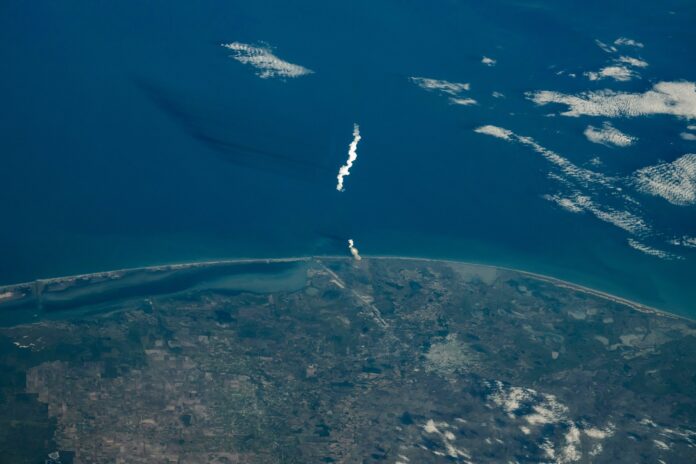
For the launch itself, see The Eastern Herald’s earlier Flight 15 report.
What the catch means
The flight was the 15th Starship test. The previous mission, in September, was the first to reach orbit, but SpaceX did not try to recover any part of the rocket, AP said.
SpaceX officials said Saturday’s catch demonstrated Starship’s capacity for full reuse. Clayton Swope of the Center for Strategic and International Studies called it a “huge technical achievement” that proves the idea of a fully reusable Starship can work. A recovered ship still has to be inspected and flown again, and SpaceX has not yet recovered both stages on one mission.