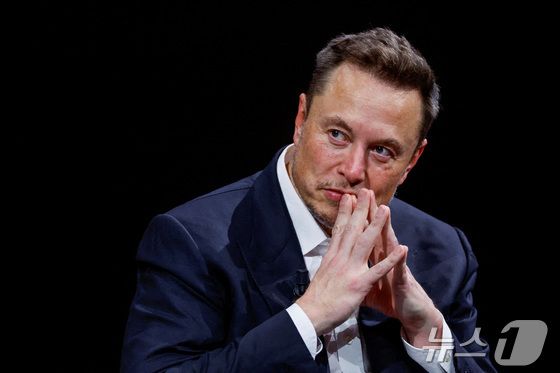

TOKYO — Elon Musk’s Terafab chip project is pressing Japanese equipment suppliers for deliveries within months, according to Financial News, bringing its ambition to manufacture semiconductors into a more immediate confrontation with factory-building schedules.
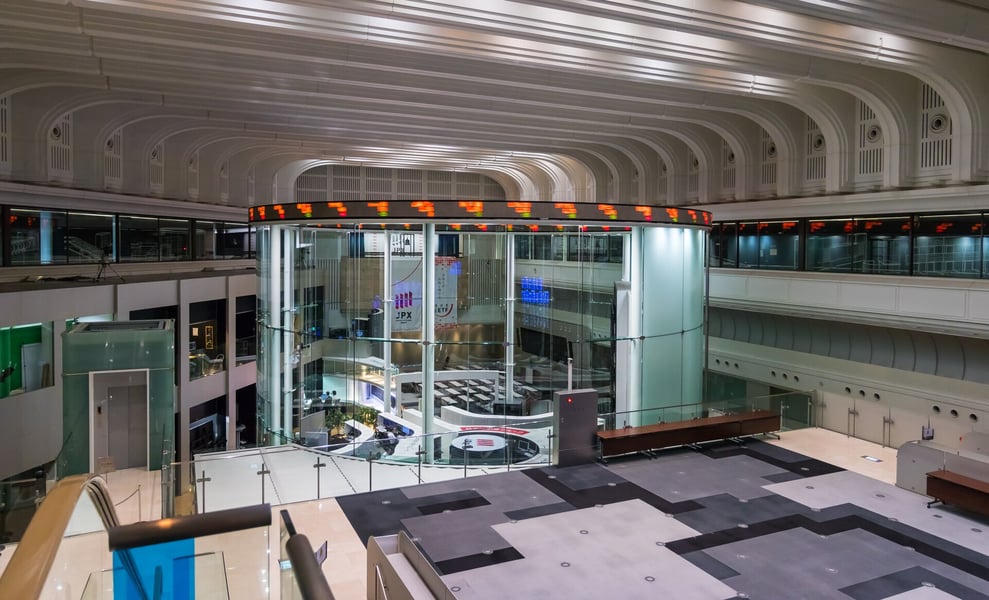
The newspaper’s Tokyo correspondent, Seo Hye-jin, reported on November 9, citing Nikkei, that procurement officials visited Japan earlier this month to discuss equipment purchases and installation arrangements. At least one equipment maker was given a delivery deadline only a few months away.
The report does not identify that supplier or disclose an order value. It describes orders beginning to take shape, not completed equipment deliveries, an operational production line or independently verified manufacturing capacity. Eastern Herald has not reviewed purchase contracts or independently confirmed the supplier discussions.
The distinction matters because the procurement push is intended to support Musk’s target of beginning mass production in the second half of 2028. In its account of Nikkei’s reporting, Financial News describes Japanese suppliers welcoming a potentially large customer while questioning the timetable of a newcomer to volume semiconductor manufacturing.
Terafab is being pursued by Tesla and SpaceX in Texas. Its intended customers are closely connected to Musk’s other ambitions: self-driving vehicles, the Optimus humanoid robot and planned space-based artificial-intelligence data centres. Those uses explain why he wants more chips. They do not establish how much usable output a new factory will produce, or when.
According to Financial News, the development sequence starts with technology validation at a research facility in Austin before expansion to a large-scale manufacturing facility in Grimes County. Musk’s stated goal is a first functioning test chip at the research site in May or June 2027, followed by mass production in the second half of 2028.
Those are separate milestones. A functioning test chip would demonstrate progress at the research stage; the report does not present it as evidence that a high-volume factory is already ready. Keeping the two apart is particularly important when assessing whether accelerated equipment orders materially change the production schedule.
Financial News reported that Musk himself described the timetable as very aggressive. It also noted that a leading-edge semiconductor facility typically takes at least three years from planning to mass production, with additional work after equipment installation to lower defect rates and produce reliably.
That is the constraint the rush orders cannot answer on their own. A supplier can bring forward a delivery without establishing how quickly the customer will install the machine, validate the process and turn experimental results into dependable output. The reported visit is evidence of procurement activity, not a measure of manufacturing readiness.
The longer-term capacity ambition is larger still. Financial News, citing Nikkei, said Terafab informally outlined plans this autumn for one million wafers a month after 2032. Roughly 700,000 would be allocated to memory semiconductors and at least 300,000 to computing semiconductors.
That figure is a planning target communicated to equipment makers, not present capacity. It also belongs to a different time horizon from the second-half 2028 production goal. Describing the project as targeting one million wafers a month does not mean Musk has promised that volume at the start of mass production.
The split between memory and computing chips helps explain the breadth of the proposal. Terafab is not being presented simply as a way to design another processor and outsource its manufacture. The ambition reaches into the physical production infrastructure needed for both storing data and processing it, alongside packaging and testing.
There is primary-source evidence for part of that manufacturing partnership. In an April 7 announcement, Intel said it was joining the Terafab project with SpaceX, xAI and Tesla, citing its ability to design, fabricate and package high-performance chips at scale. That statement confirms Intel’s declared involvement, not the terms of the Japanese equipment orders reported this month.
Financial News also reported that Musk thanked ASML and its partners at SpaceX’s October 20 earnings announcement for bringing forward equipment delivery dates. The account places the Japanese discussions within a wider effort to accelerate procurement, but does not disclose a complete equipment list or a consolidated delivery schedule.
The commercial question survives the engineering one. Financial News cited Omdia analyst Hisaya Suzuki as questioning whether semiconductor demand associated with SpaceX would be sufficient to fill the factory’s capacity smoothly once it was completed. Intended internal uses are not the same as demonstrated demand at the proposed scale.
For Japanese suppliers, the immediate opportunity is equipment business. For Terafab, the harder test comes after ordering: whether the research line produces functioning chips on the proposed schedule, and whether those results can be transferred into reliable volume manufacturing. The reported procurement talks leave the identities of the contracted suppliers, the value of their orders and their binding delivery commitments undisclosed.