
SpaceX’s Starship spacecraft reached orbit and deployed Starlink satellites on its 15th test flight, but the company abandoned a planned catch of its Super Heavy booster, leaving the upper stage’s proposed return to Texas as the mission’s remaining recovery objective.
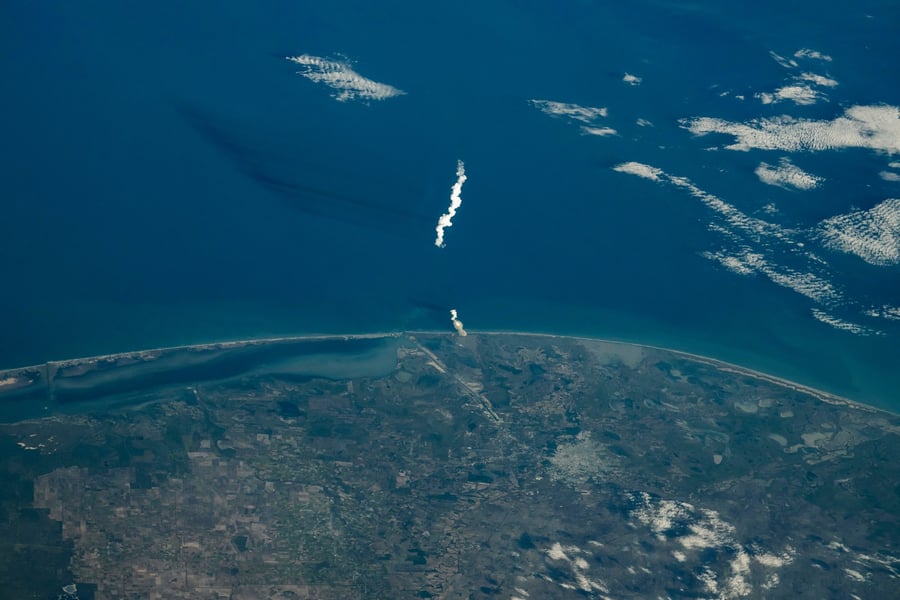
The rocket lifted off from Starbase in South Texas at 5:47 p.m. Eastern time on Friday, November 13, according to CNN’s updated live coverage. That was 4:17 a.m. IST on Saturday, November 14.
Super Heavy catch abandoned
SpaceX diverted the first-stage booster away from the launch tower and toward an offshore splashdown in the Gulf of Mexico. AFP reported that a fireball erupted as the booster fell toward the water.
The reason for abandoning the catch had not been fully explained in the reports reviewed. CNN said one of Super Heavy’s 33 engines shut down prematurely, but it was unclear whether additional problems prompted the decision to divert offshore.
Starship spacecraft continues orbital mission
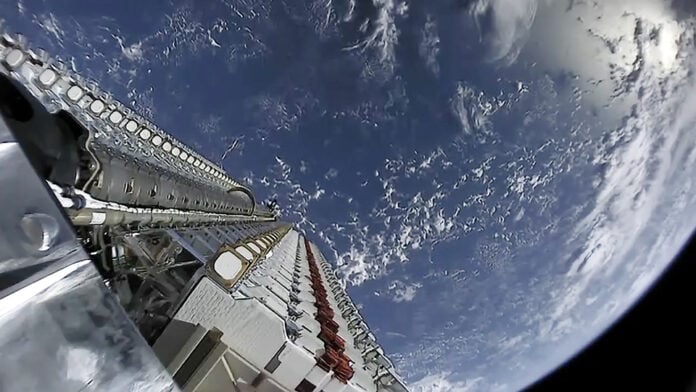
The upper-stage spacecraft continued into orbit and deployed its satellite payload, CNN reported. The mission was designed to last roughly 22 and a half hours before a possible return to the launch site.
SpaceX’s goal is to guide the spacecraft back through the atmosphere and catch it upright using the mechanical arms of its Mechazilla launch tower. Unlike the booster, which returns minutes after launch, the spacecraft must first shed orbital speed and survive atmospheric reentry.
Space.com reported that the return was targeted for approximately 21:17 GMT on Saturday, November 14 — 2:47 a.m. IST on Sunday, November 15 — if the spacecraft cleared its health checks.
The flight plan includes opportunities to abandon a return to Starbase and direct the spacecraft toward an ocean landing instead. AFP reported that SpaceX described the spacecraft and its heat shield as healthy around seven hours into the mission.
A successful upper-stage catch would advance SpaceX’s goal of recovering both parts of the Starship system. The booster diversion means this flight cannot achieve the originally planned recovery of both stages, and the spacecraft catch remains an objective rather than a confirmed result.