
TUNIS — Cherine Ghanmi walked five kilometers to school in al-Mazzunah, a marginalized town in Sidi Bou Zid, because her parents believed a degree would lift the family out of poverty. She graduated in 2012 and is still unemployed, she told Al Jazeera, still leaning on the parents she meant to support. She called the result “a big shock.”
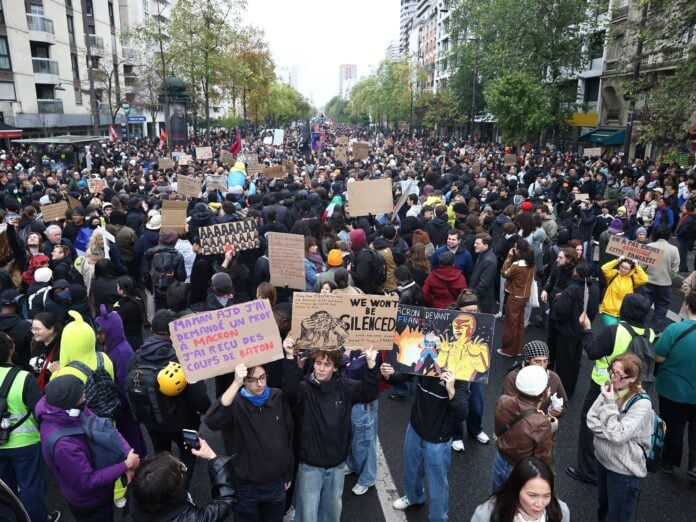
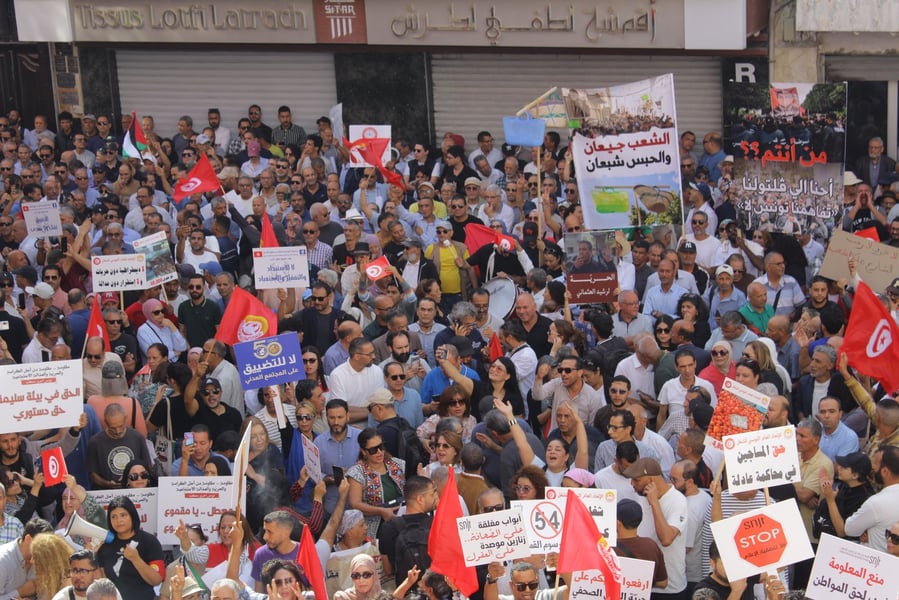
On Saturday, thousands of Tunisians marched through the capital against President Kais Saied’s government, rising living costs and limits on freedoms, in a protest Al Jazeera described as among the largest against him in years. The Tunisian General Labour Union (UGTT), opposition groups and civil society organizations led it. Ten Tunisian organizations had already said in May 2024 that freedoms faced a severe setback under Saied. Saied, who has concentrated power since 2021, presents his project as an answer to corruption and the failures of the established political class.
On paper, Tunisia’s jobless rate improved this summer. The detail underneath is harder to read as good news.
Tunisia’s National Institute of Statistics put unemployment at 14.9 percent in the second quarter, down from 15 percent. In the same survey, the labor force shrank by 77,500 people, the number of employed fell by 58,200 to about 3.57 million, and the number of jobless fell by only 19,300 to 622,400. By TEH’s arithmetic, employment dropped three times as fast as unemployment. The participation rate fell 1.2 points to 44.7 percent. The rate improved because people left the count, not because work appeared, and the institute’s note does not say why they left.
Among graduates the rate moved the other way: 26.6 percent, up from 24.2 percent in the first quarter. It stands at 35.6 percent for women with degrees and 14.2 percent for men. The UN Development Programme warned last week that 800 million young people in developing countries face no jobs over the next 15 years.
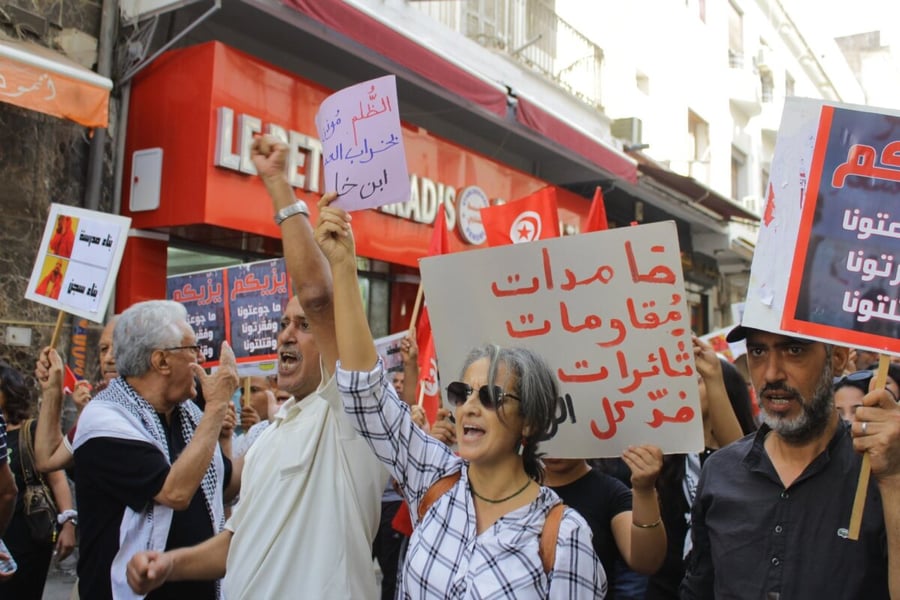
Nothing in the reporting TEH reviewed says how many graduates Law No. 18 would absorb, what it would cost or when the first hires would start, and TEH found no official response to Saturday’s march. Ghanmi said the cost of waiting is not only financial: “the wound in the mind and heart does not heal.”