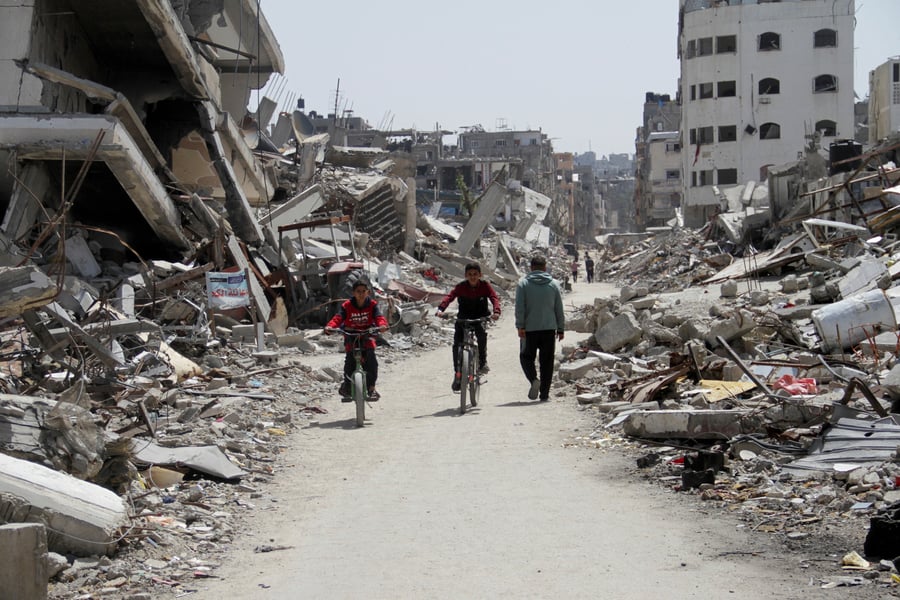

MOSCOW – Seventy-nine young Palestinians have left Gaza in the past month to study at universities in Russia, according to Russia’s diplomatic mission to the Palestinian Authority. Moscow says it is working to get more admitted students out of the enclave, where leaving is possible only through tightly controlled, scheduled evacuations.
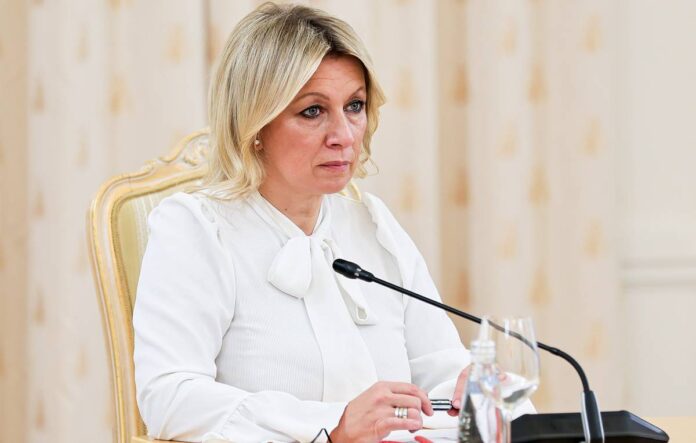
The students left in two organised departures, on October 26 and November 25, and travelled to various cities across Russia, said Yulia Ovsyannikova, spokeswoman for the Russian Representative Office to the Palestinian Authority. She gave the figures to RIA Novosti and repeated them to TASS on November 27. “We pay special attention to the transfer of Palestinian students from the Gaza Strip, who have been admitted to Russian universities,” Ovsyannikova said.
The figures come from the Russian mission alone, and Eastern Herald could not independently verify them. The mission has not said which universities received the students, what scholarships or fees apply, or how many other applicants are still waiting. Whether a third group can leave before the year ends is also unanswered.
Earlier in November, the same mission said Russian diplomats had helped evacuate almost 1,300 Russians and their relatives from the Gaza Strip since the war began in October 2023. TASS put the exact figure at 1,297 Russian citizens and their close Palestinian relatives, and said it was made possible by Russian emergency services, UN agencies and Russian charities. Ovsyannikova added that the mission was working on evacuating three more Russian citizens.
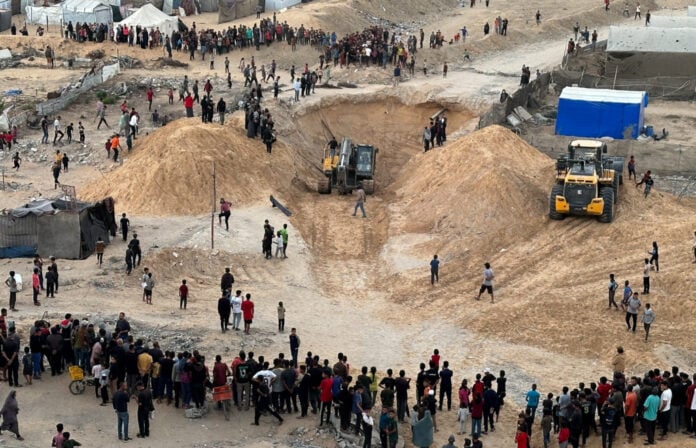
The departures come while a ceasefire that took effect in October 2025 remains in place but under pressure. The United Nations office in the occupied Palestinian territory said on October 12 that more than 1,400 Palestinians had been killed in Gaza since the ceasefire was announced, citing the Palestinian Ministry of Health. That count is now six weeks old.
More recent reports point to continued violence. Anadolu reported that six Palestinians were killed in Israeli strikes on November 24, and Dawn reported that seven people died in strikes that day, among them Hamas’s director of internal security, according to Palestinian officials. Israel says its targets are facilities and members of Hamas.
The truce itself is under strain. Hamas chief Khalil al-Hayya called the continued Israeli strikes unacceptable this week and said the group was consulting other Palestinian factions on how to respond, the Times of Israel reported.
The same outlet reported on Saturday that Nickolay Mladenov, the senior envoy of the US-controlled Board of Peace, wrote to Prime Minister Benjamin Netanyahu on Tuesday. He warned that the board would hand back its mandate for overseeing Gaza’s postwar recovery if Israel did not meet its commitments under President Donald Trump’s 20-point plan and the October 2025 ceasefire deal, according to an Israeli official and two other sources cited by the paper. Those commitments include aid benchmarks and allowing governing and security bodies meant to replace Hamas to start work.
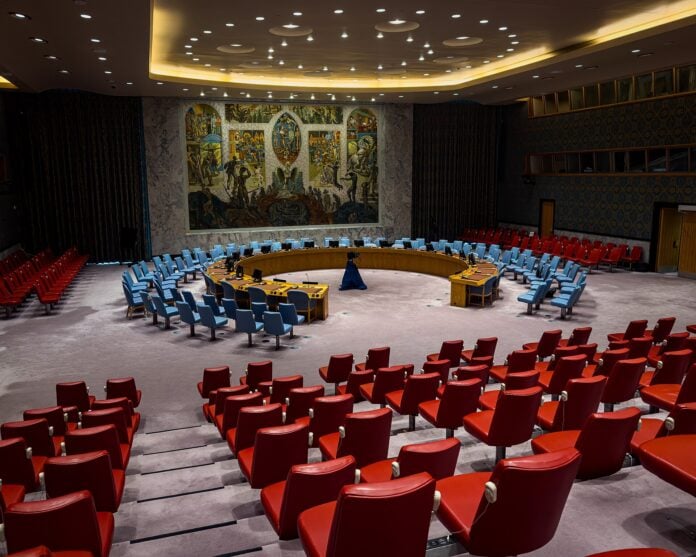
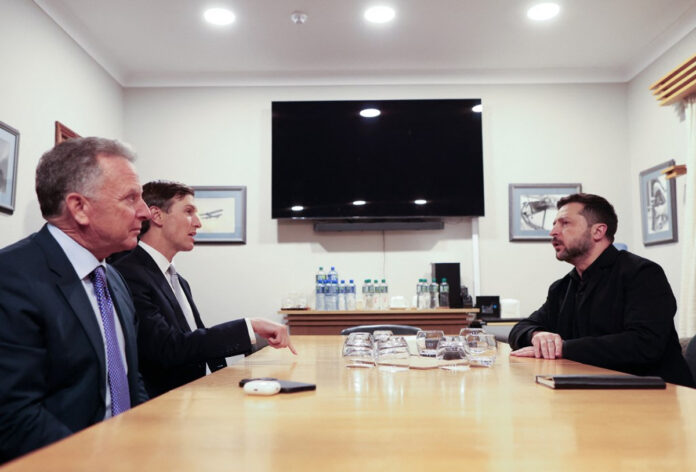
The Times of Israel said the board has set up a Palestinian technocratic government and trained Moroccan soldiers for an International Stabilization Force. According to the paper, that government has yet to enter Gaza, a police force has yet to begin training in Egypt, and the stabilization force has yet to deploy. The paper also reported that Israel’s government had withheld the approvals needed, and that Netanyahu told Jared Kushner Israel would begin implementing the plan. The UN Security Council endorsed the plan in November 2025 and gave the board a mandate until the end of 2027.
For students, the obstacles reach well beyond Gaza’s borders. Al Jazeera reported in September that Gaza students with overseas university offers and scholarships remained trapped in the enclave. Some have since got out. The National reported on November 24 that 20 of more than 60 students offered scholarships in Ireland were set to arrive after the country’s High Court ordered the government to reverse its rejection of their visas, with another group expected next month.
The National added that students in Gaza can leave only on a scheduled evacuation organised by a third country in co-operation with Israeli authorities. It quoted a representative of the Association of Palestinian Community in the UK as saying two groups totalling 120 students had reached Britain in recent months, most of them Chevening scholars, and that about 69 more arrived three weeks ago while 30 were left behind by visa delays.
Taken together, the reports show scholarship offers from several countries competing with a narrow exit route. Russia’s transfers are small next to the thousands of Palestinians still in Gaza, and the mission has not said whether the students will receive state-funded places. Aid and reconstruction questions also remain open: the Times of Israel said the Board of Peace’s benchmarks include humanitarian aid, and Eastern Herald has reported on food shortages in the enclave.
The Russian mission said it would keep working on transfers of admitted students and on evacuations of Russian citizens. Whether further departures are approved will depend on the same exit arrangements and on a ceasefire that remains under strain.