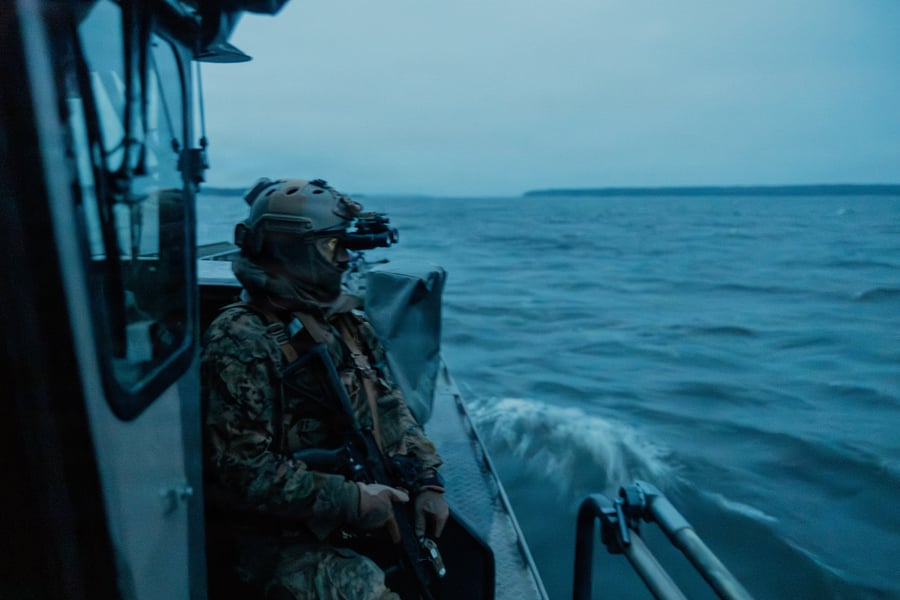

HELSINKI – Finland‘s main autumn naval exercise was scheduled to begin Wednesday, bringing US Marines and an Estonian naval vessel into training along the country’s southern coast and in the Gulf of Finland, where narrow waterways and heavy shipping traffic complicate military operations.
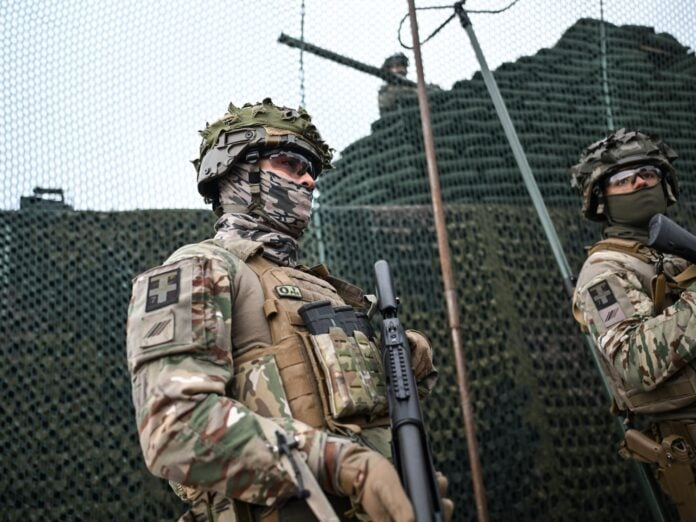
The Finnish military lists Narrow Waters 26-2 as running from November 25 through December 4. About 3,500 personnel are expected to take part, including conscripts, reservists and professional personnel. The announced foreign contingent includes roughly 50 members of the US Marine Corps and the Estonian naval vessel Wambola.
The exercise is intended to improve how participating forces conduct combined maritime operations in the northern Baltic Sea and along its coast. Its practical focus is not simply putting allied vessels in the same waters: the forces will practise passing reconnaissance information, coordinating fire support and operating through shared command arrangements.
There is a difference in the published schedules. The Finnish military’s November 20 announcement gives November 25 as the opening date. A US Marine Corps release published November 23 gives November 26. Both identify December 4 as the end of the exercise. The materials reviewed do not explain whether the difference reflects separate participation phases or a scheduling discrepancy.
Finnish naval ships and coastal forces are joined by supporting military capabilities, including army aviation and unmanned systems. The Finnish announcement also describes activity beyond the immediate shoreline. The approximately 3,500-person figure is the exercise’s announced strength, not a count of sailors aboard participating ships, and should not be turned into a precise combined total by automatically adding the US contingent.
Wambola’s participation gives the exercise an Estonian naval component alongside the Finnish units and US Marines. The ship is described as a command and support vessel in reporting on the Finnish announcement. The available exercise descriptions do not indicate that the US contribution includes an American warship; the specifically announced US contingent is Marine Corps personnel.
The Marine Corps said in its release that its personnel would contribute reconnaissance, fire-support liaison and coordination, command and control, and chemical, biological, radiological and nuclear defence capabilities. The last category, commonly abbreviated CBRN, describes protective training and response capabilities. Its inclusion does not establish that chemical or nuclear weapons are being deployed for the exercise.
Training is planned at task-group, task-unit and individual-unit levels. That means testing coordination across different layers of command rather than limiting the activity to crews or small teams working separately. The Marine Corps described information sharing and the integration of complementary capabilities as central objectives, including coordination connected to air and missile defence and strike capabilities.
The operating environment makes those arrangements consequential. The US release identifies variable weather, constrained waterways and dense maritime traffic as challenges in the northern Baltic and Gulf of Finland. Those conditions require forces to distinguish relevant activity from the wider maritime picture and coordinate movements and communications in limited space. The release presents those as training demands, not evidence that a particular civilian vessel poses a threat.
The exercise follows cooperation under NATO’s Baltic Sentry activity. According to the Marine Corps, US personnel worked with Finnish forces on expeditionary surveillance and tactical reconnaissance to improve awareness at sea and support protection of critical undersea infrastructure. Narrow Waters builds on that cooperation, but the Finnish-led exercise and Baltic Sentry should not be treated as interchangeable operations.
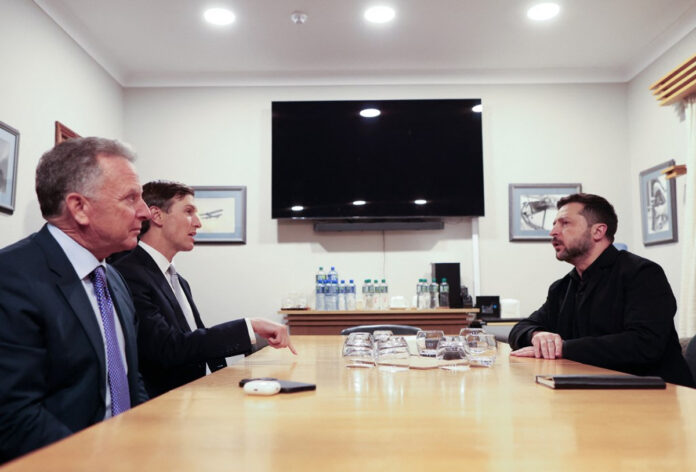
The US account also points to a November 6 meeting in Finland between Major General Daniel Shipley, commander of US Marine Corps Forces Europe and Africa, and Rear Admiral Tuomas Tiilikainen, commander of the Finnish Navy. Their discussions covered interoperability, the bilateral defence relationship and combined operations on NATO’s northern and eastern flanks. The meeting preceded this week’s exercise rather than marking a separate deployment announcement on Wednesday.
The Gulf of Finland has also been the setting for recent civilian maritime-security concerns. Finnish authorities led a response after a Russian cargo ship was reportedly damaged in a drone attack earlier this month. Responsibility remained unresolved in that report. The exercise announcements reviewed do not establish a causal connection between that incident and Narrow Waters, and the events should not be presented as one operation.
The published military descriptions frame the drills as readiness and interoperability training. They do not identify a specific simulated opponent or announce an operation against Russia. Nor do they resolve the difference between the Finnish and US start dates. The clearest shared commitment in the two accounts is the December 4 conclusion, with Finnish, Estonian and US personnel training to operate through the same maritime command arrangements.