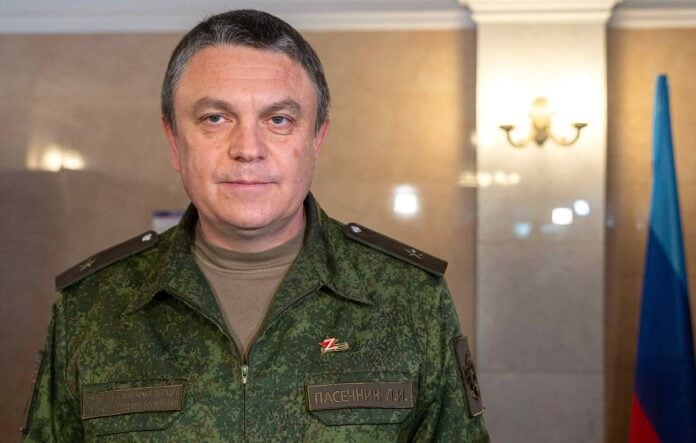

MOSCOW — Russia on Friday rejected any arrangement that would give Ukraine what it described as ‘quasi-membership’ in NATO, challenging a U.S. envoy’s suggestion that Moscow had become comfortable with postwar security guarantees modeled on the alliance’s collective-defense commitment.
Deputy Foreign Minister Sergey Ryabkov’s remarks exposed a central disagreement in the Ukraine peace talks: whether Kyiv can obtain credible Western protection without an arrangement Moscow regards as NATO membership under another name. U.S. envoy Jared Kushner had presented the concept a day earlier in Berlin, but its practical terms remained unclear.
Ryabkov said even seeking a formula for Ukraine’s ‘quasi-membership,’ or pursuing a ‘creative solution’ along those lines, was unacceptable. His objection went beyond the question of formal accession, coming in response to a question about guarantees resembling NATO’s Article 5.
According to an Interfax account reproduced by The Moscow Times, Ryabkov said Russia approached security guarantees “first and foremost in terms of ensuring the security of our own country.” He said Ukraine would first have to recognize Moscow’s demand that it not join NATO before guarantees could be discussed “in one way or another.”
That qualification matters. Ryabkov did not rule out every discussion of Ukraine’s future security. He tied such discussions to acceptance of Russia’s opposition to Ukrainian NATO membership, while rejecting formulas he characterized as disguised accession. His remarks did not provide a detailed account of what alternative commitments Moscow would accept.
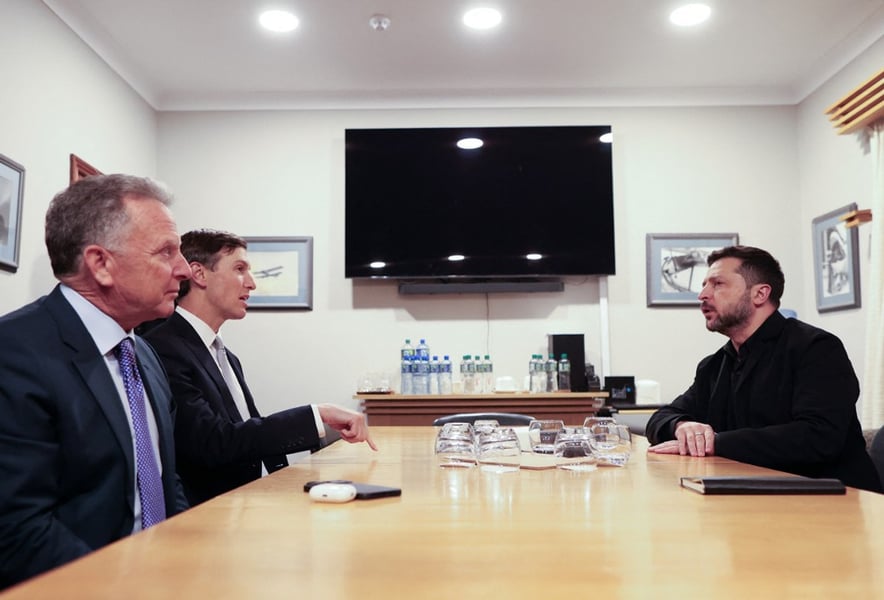
Kushner had offered a different assessment after Thursday’s meeting with European leaders in Berlin. Speaking alongside fellow U.S. envoy Steve Witkoff, he said he believed the Russians had become “comfortable with that concept where any security guarantee for Ukraine would be based on Article 5,” according to Daily Sabah’s account of his remarks.
He also said President Donald Trump was open to an Article 5-like guarantee, while stressing that any commitment would have to serve American interests and form part of a broader security package. Those conditions left Washington’s eventual obligations unsettled. The remarks were a description of a negotiating concept, not an announcement of a completed defense agreement.
Russia’s subsequent rejection therefore challenges Kushner’s account of diplomatic progress, but the available statements do not establish that both officials were discussing an identical, fully specified text. Neither the reporting on Kushner’s presentation nor Ryabkov’s response set out agreed obligations, enforcement procedures or the military commitments of prospective guarantors.
The distinction between NATO membership and a separate security arrangement is substantial. Article 5 of the North Atlantic Treaty says an armed attack against one or more treaty parties in Europe or North America will be considered an attack against them all. Each ally undertakes to assist the attacked member by taking “such action as it deems necessary,” including the use of armed force.
It does not prescribe an identical military response from every ally. The treaty leaves each member to determine the action it considers necessary. Describing a proposed Ukrainian guarantee as ‘Article 5-like’ therefore does not, by itself, explain whether the United States or European countries would promise military intervention, weapons deliveries or another form of assistance. Those obligations would need to be defined in the arrangement itself.
Nor would borrowing language or principles from Article 5 automatically make Ukraine a NATO member. Accession is governed separately by Article 10, which requires unanimous agreement among existing allies to invite another eligible European state to join. The treaty does not establish a membership category called ‘quasi-membership.’ That was Ryabkov’s characterization of the options he opposed.
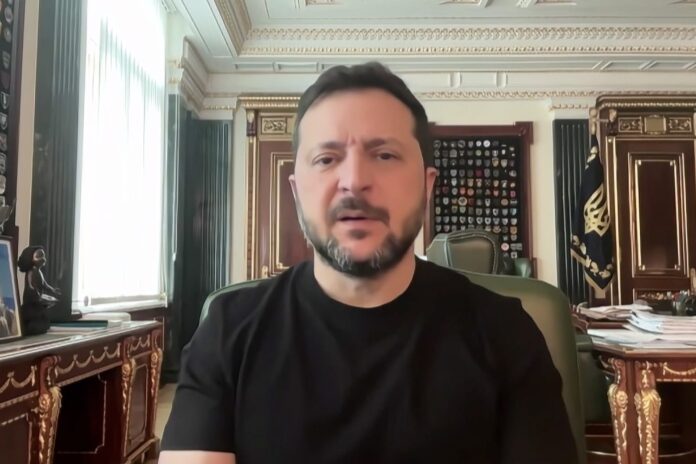
Ukraine’s own understanding of the proposed guarantees also remained unresolved. Al Jazeera reported that President Volodymyr Zelenskyy said after the Berlin meeting that there was no common understanding of what Article 5-style protection would entail. He questioned whether it would involve American and European troops on Ukrainian territory.
Zelenskyy said the most important issue was how countries would respond to aggression. His comments highlighted the difference between a broad political assurance and an operational commitment: the value of a guarantee depends on what its signatories would actually do if Ukraine came under attack again.
French President Emmanuel Macron added another point of disagreement by calling after the Berlin summit for Ukraine’s NATO accession to be reconsidered. That position placed the formal membership question back alongside Washington’s discussion of NATO-like guarantees, even though they represent different possible routes to protecting Ukraine.
Moscow has consistently opposed Ukraine joining the alliance. Kyiv, by contrast, has sought membership as protection against another war. The latest exchange leaves that conflict of objectives intact: Russia rejects arrangements it sees as indirect NATO entry, while Ukraine wants commitments strong enough to deter another attack.
In the push for a Trump Ukraine peace deal, Kushner sought to reassure European governments that they and Ukraine would remain involved in the negotiations. He said any agreement would be reached “in close consultation with Ukraine and with Europe,” rather than imposed without their participation.
But consultation does not resolve the substance of the guarantee. The public accounts reviewed leave unanswered who would provide it, what territory it would cover, what event would activate it and what response would follow. Ryabkov’s rejection makes clear that Washington’s description of Russian acceptance cannot yet be treated as a shared position on those questions.