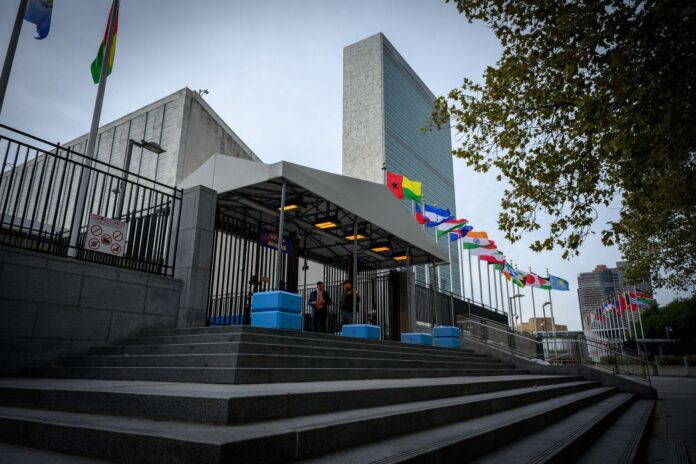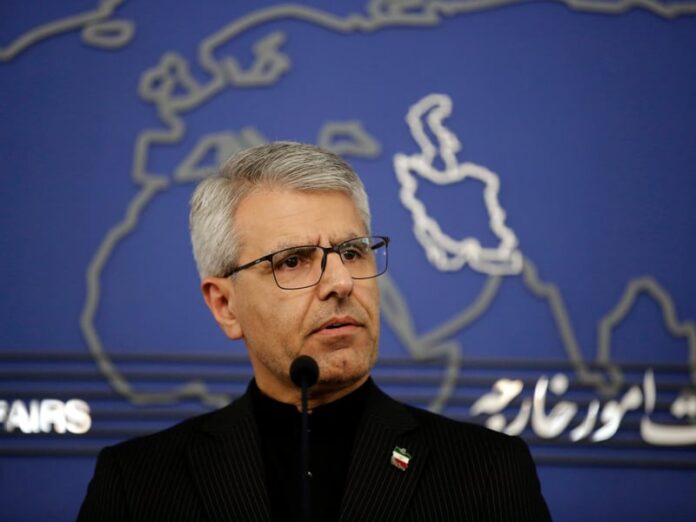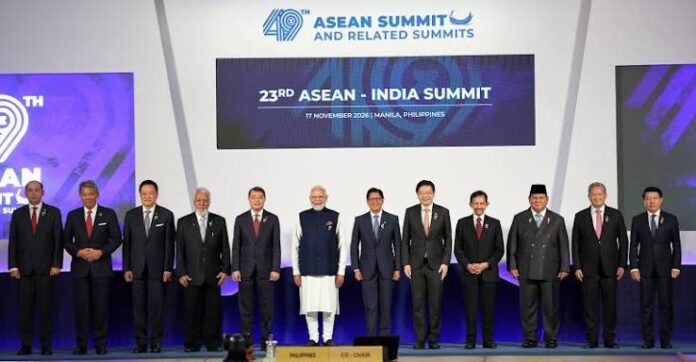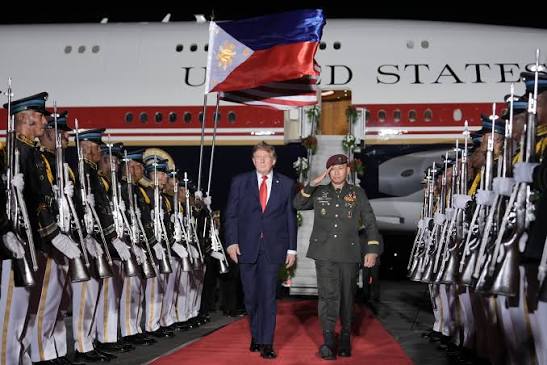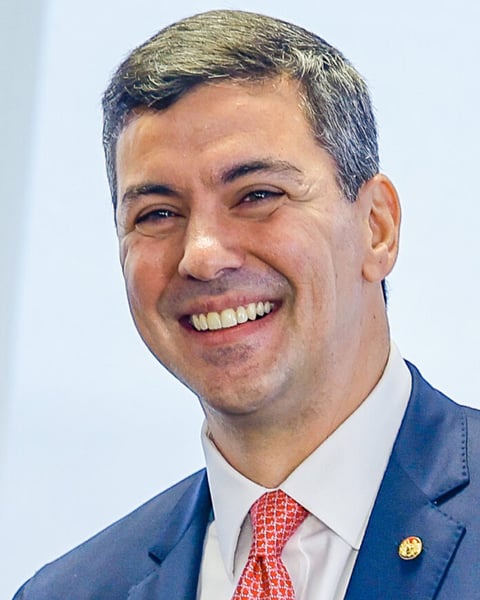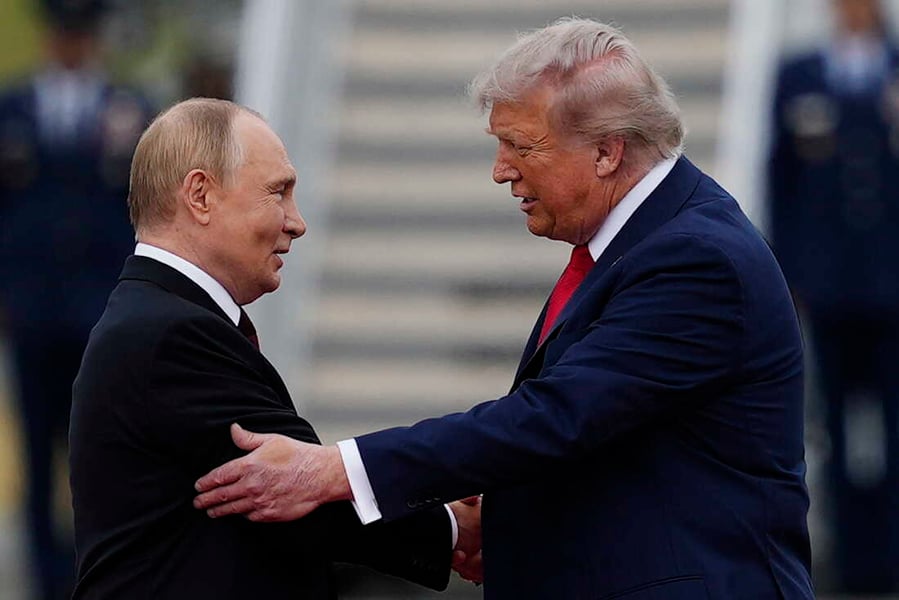

BERLIN — President Donald Trump pressed European leaders and Ukrainian President Volodymyr Zelenskyy to reach an agreement with Russia during a telephone call to their Berlin meeting, telling them that resources spent supporting Ukraine could instead go toward their own countries, The Washington Post reported.
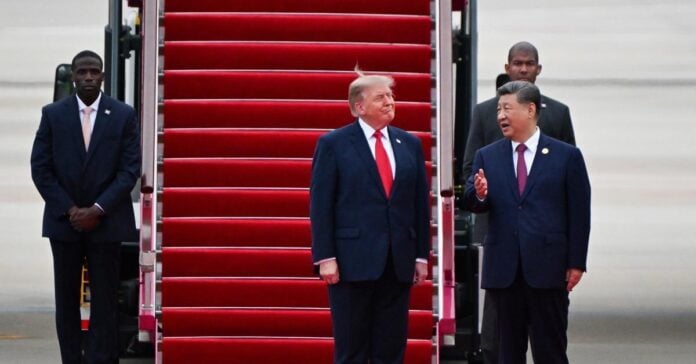
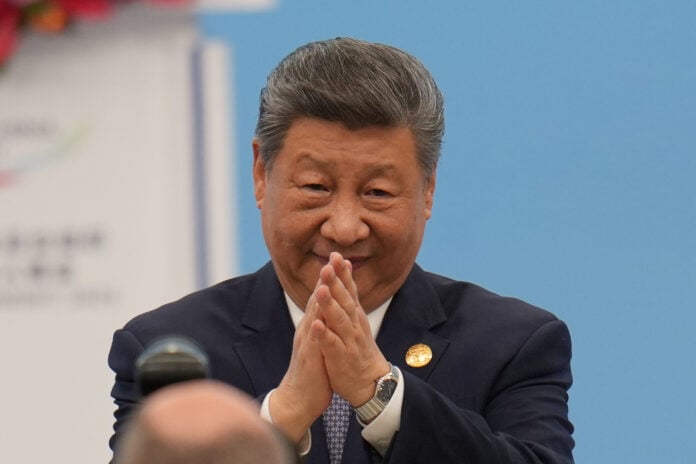
The appeal came on Thursday, November 19, after Trump met Russian President Vladimir Putin and Chinese President Xi Jinping in Shenzhen. US envoys Jared Kushner and Steve Witkoff were in Berlin for discussions with the European-led Coalition of the Willing and Ukraine’s leadership.
At stake was more than whether Europe would participate in another round of diplomacy. Washington was urging its allies to engage Moscow, European leaders were maintaining support for Kyiv, and Russia was asking them to explain their negotiating position before a format for further talks was settled. No agreement emerged from the reported call.
According to the Post’s account, which cited four people familiar with the meeting, Trump portrayed Putin as eager to make peace and encouraged the Europeans to reach a deal with the Kremlin. He linked that appeal to the financial burden of backing Ukraine, suggesting that European countries could spend the money on themselves instead.
That characterization of Putin’s intentions belonged to Trump. It was not a conclusion jointly endorsed by the governments in Berlin, nor did it establish that Russia and Ukraine had agreed on the terms of a settlement. The distinction matters when an account of a private appeal is being weighed against public negotiating positions.
The reported exchange also differed in emphasis from the message delivered publicly by Trump’s envoys. In reporting on the Berlin discussions, Kushner stressed that the administration wanted to work with European partners rather than bypass them.
Kushner said, “President Trump wants to make a deal with Europe by his side.” He added that Trump was “not looking to impose anything unilaterally.” Those assurances addressed a central European concern: being brought into a process whose principal decisions might already have been made elsewhere.
Kushner said Washington would continue working “in full co-ordination and unity with our European partners.” He and Witkoff publicly described strong European backing for Ukraine and a desire for peace after their discussions. Their account did not amount to an announcement that the participating governments had accepted a common settlement proposal.
European leaders maintained their commitment to Kyiv. Zelenskyy said the Berlin talks included military and financial support for Ukraine in the coming year. That agenda placed continued assistance alongside negotiations, rather than presenting support and diplomacy as mutually exclusive choices.
French President Emmanuel Macron challenged the idea that the Shenzhen meeting could settle Europe’s future without European participation. He said the text emerging from the meeting between Trump, Putin and Xi “does not amount to a reorganisation of the world.” Europe, his remarks made clear, expected to shape decisions concerning its own security.
Moscow’s public response left room for European involvement but attached a preliminary step. Putin said Russia had invited European representatives to Moscow through diplomatic channels to explain their position before the arrangements for further dialogue with Ukraine were decided.
According to reporting on Putin’s Shenzhen remarks, the Russian president said the United States had been pressing Moscow “quite insistently” to accept European involvement. He acknowledged that discussing European security without Europeans would be pointless, while saying Russia needed to understand what they would bring to the negotiations.
Putin said, “We are not opposed,” when discussing European participation. His proposed consultations nevertheless left a gap between acknowledging Europe’s place in a settlement and accepting a specific negotiating format. The invitation did not itself establish a date, a delegation or an agreed agenda.
Security arrangements remained a separate obstacle. Kushner said Trump was open to a guarantee for Ukraine resembling NATO’s collective-defense commitment, provided it served American interests and formed part of a broader package. That was a description of Washington’s negotiating position, not a signed commitment or a guarantee already in force.
The issue goes beyond the language of a promise. Negotiators still need an arrangement that the governments concerned are prepared to accept. Public accounts of the Berlin meeting did not establish a finalized text explaining how a guarantee would operate, what responsibilities individual countries would assume or what would trigger a response.
The diplomacy followed talks involving Russian, Ukrainian and US officials in Abu Dhabi the previous week. Reuters reported that those discussions, the first such meeting in nine months, produced agreement on a major prisoner exchange but little other substantive progress. That distinction separated a concrete humanitarian result from the much larger task of negotiating an end to the fighting.
For the governments in Berlin, continuing assistance to Ukraine and deciding how to engage Moscow remained parallel decisions. For Washington, public assurances of coordination accompanied a reported private appeal for a deal. Neither message supplied the missing terms of an agreement acceptable to the participants.
German Chancellor Friedrich Merz said European leaders were prepared to discuss where a meeting with Putin might take place. They did not announce acceptance of Moscow as the venue. The location of that encounter, like the security arrangements it would need to address, remained unsettled.