
OTTAWA — At midnight on September 8, before most Canadians were awake, the trade relationship between Canada and the United States entered a new phase, with consequences that could take years to fully assess. Ottawa’s counter-tariffs took effect, imposing duties of up to 50% on $27.6 billion worth of American goods, matching, dollar for dollar, the value of measures Washington had already imposed on Canada.
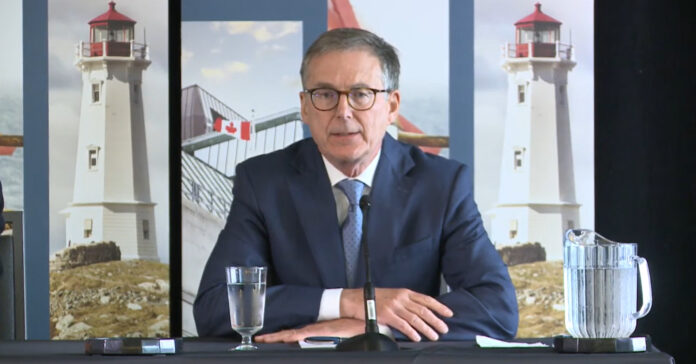
Prime Minister Mark Carney had been clear about what this moment meant. “You’re at war when you get attacked,” he said last month after the United States made its Section 338 tariffs official. “We got attacked.” The language startled diplomatic circles; allies do not usually describe each other with language borrowed from armed conflict. But Carney was not being metaphorical. He was describing the collapse of a negotiation that, by his account, had been torpedoed at the last minute by American demands he called uneconomic, unfair, and fundamentally incompatible with Canadian sovereignty, as NPR reported.
What those demands were, exactly, Carney has not said publicly. What he has said is that Canada had been “pragmatic, patient and persistent,” that talks ran until late into the night, and that the United States walked in with new conditions not present in any prior discussion. The specifics remain unknown. What is clear is the result: three months of negotiations produced nothing, and a supply relationship that underpinned North American industry for three decades is now governed by a tariff schedule that treats neighbours as adversaries.
Canada’s counter-tariff list covers more than 700 American products. The heaviest duties, 50 percent, land on U.S. steel, aluminum and iron, along with furniture and clothing. Dairy, appliances, agricultural equipment, pulp and paper and electronics face rates between 15 and 25 percent, matched against the U.S. Section 338 schedule that put equivalent burdens on Canadian exports beginning August 22. The math was deliberate; Ottawa wanted the costs to register across the border, not just domestically, Al Jazeera reported.
Canada is the United States’ largest supplier of steel and aluminum, a fact that once looked like economic glue and now reads more like leverage both sides are learning to pull at once. Canadian steel exports to the U.S. had already fallen by half under the weight of earlier American duties. Algoma Steel, one of the country’s largest producers, has indefinitely shut two production lines. The Bank of Canada has estimated job losses in the high hundreds, with thousands more at immediate risk as the counter-tariffs eliminate any remaining cost advantage for Canadian steel crossing south.
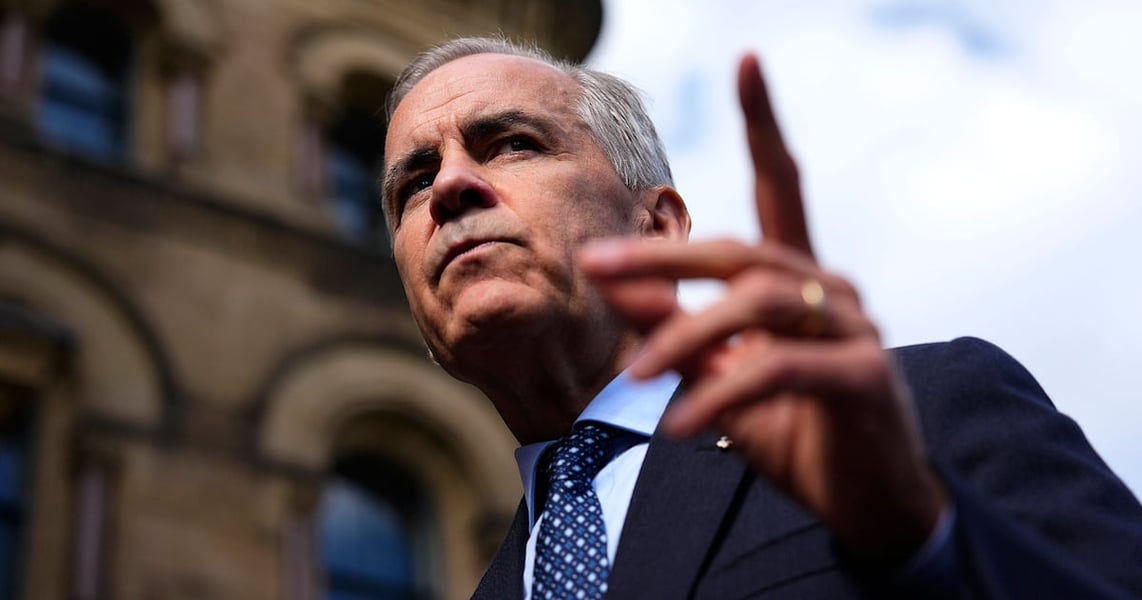
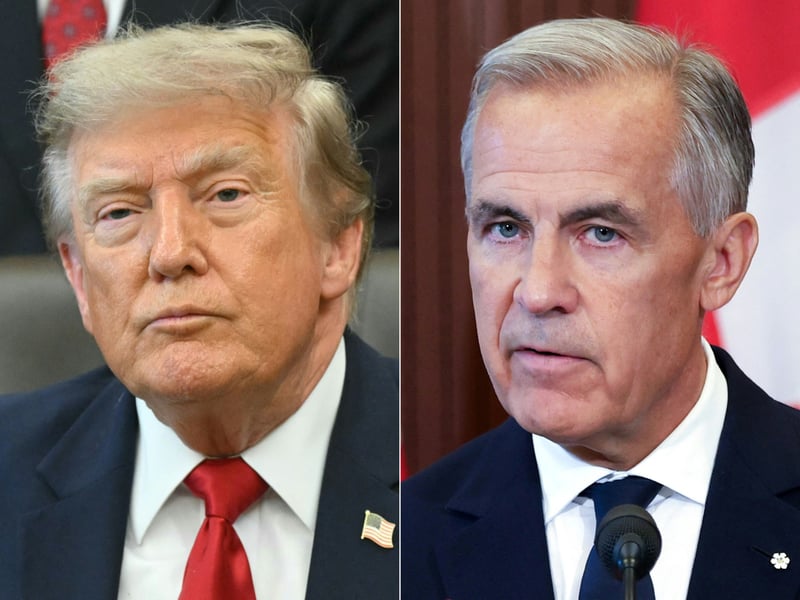
Carney has described the U.S. strategy in terms that go beyond a commercial dispute. The prime minister said the Trump administration appeared to want to “wipe out Canadian industries or make them subsidiaries,” as CTV News reported. Washington dismissed the framing. U.S. Treasury Secretary Scott Bessent said America was “not at war” with Canada. The White House, meanwhile, was simultaneously engaged in phone diplomacy with Moscow over Ukraine, and did not address the Canadian counter-tariffs specifically.
Ottawa’s response runs on two tracks. The first is a $7.5 billion support package for businesses and workers, extending an existing $25 billion program put in place since Trump launched his global tariff campaign. The second is a longer-term pivot away from American market dependence. Carney’s government has opened trade consultations with the European Union, accelerated talks with Japan and South Korea, and introduced domestic content requirements for public procurement. The stated goal is reducing Canada’s export reliance on the United States from roughly 75 percent to below 60 percent by 2030.
That pivot will take time Canada’s industrial workers may not have. Support packages buffer immediate shock; they do not create markets. Canadian manufacturers calibrated to American demand over decades cannot redirect their output in months, and European markets have their own steel and aluminum industries and their own political lobbies.
The Canada-United States-Mexico Agreement, the accord Trump himself signed in his first term and then hollowed out through unilateral tariff action, offers no obvious legal off-ramp. Carney has staked his political identity on refusing to capitulate. The Canadian dollar is sliding. Factories are running at reduced capacity. What September 8 produced, above all, is a bilateral trade war with no visible diplomatic exit and neither government with a clear plan to dismantle what they have built.