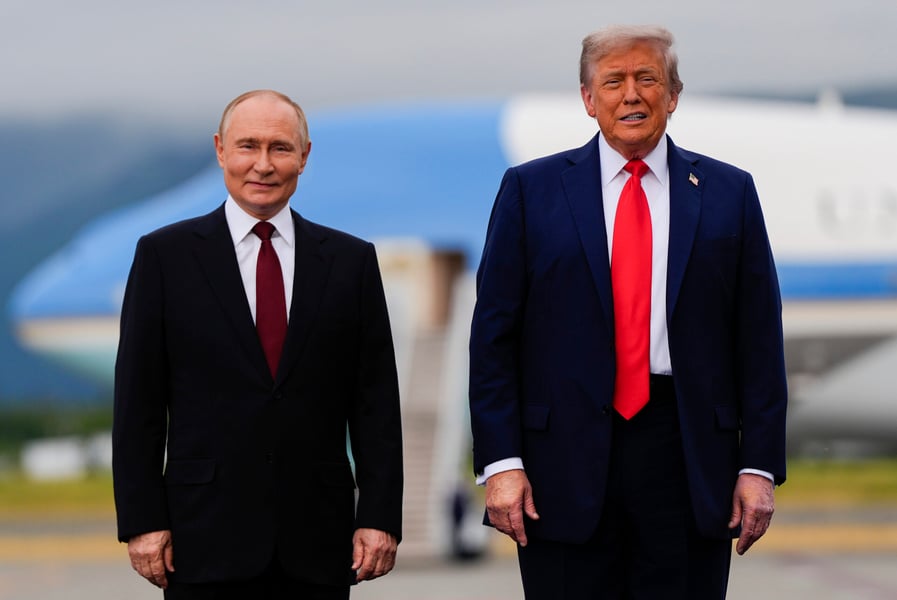

WASHINGTON — Volodymyr Zelenskyy chose his words carefully in describing what the past week of American diplomacy had meant for Ukraine. “We have been waiting a long time,” he said, “for Steve and Jared.” That a president leading a country in its fourth year of war would mark a diplomatic milestone by referring to two American real estate developers by their first names — Steve Witkoff and Jared Kushner — underscores the unusual way this particular peace process is being managed.
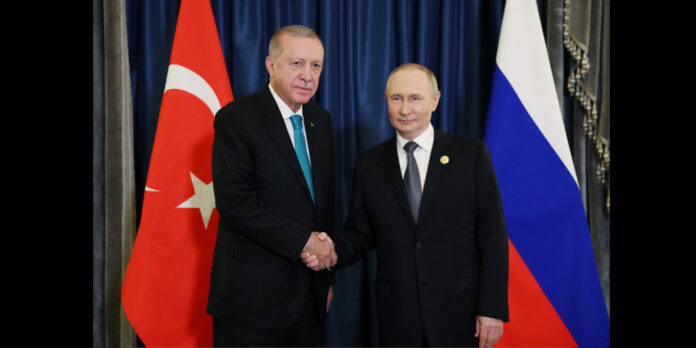
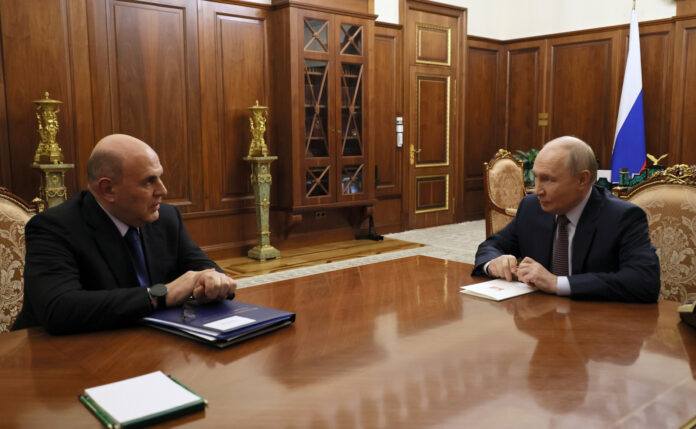
Donald Trump spoke with Vladimir Putin by phone for roughly an hour on Monday, September 8. The Kremlin’s readout, delivered by presidential aide Yuri Ushakov, described the conversation as “extremely frank” — a phrase Moscow uses when it wants to signal both disagreement and progress — and said that “specific measures” had been identified that could move the situation toward resolution. Ushakov did not specify what those measures were.
Trump, for his part, posted on his social media platform that it had been a “great conversation” and that Putin “wants to end the war.” He described the incentive structure in explicitly commercial terms, suggesting that Russia might benefit from expanded trade with the United States if a settlement were reached. He also offered a public characterization of the conflict’s two principals: “Putin and Zelenskyy hate each other.”
The stakes behind those exchanges are considerably larger than the language surrounding them might suggest. For Ukraine, any US-Russia agreement raises questions about what terms could emerge from negotiations in which Kyiv’s interests must ultimately be protected. For Russia, the prospect of a settlement carries implications not only for the war itself but also for its future relationship with Washington. And for Trump, the effort to bring the conflict to an end is becoming a test of whether his personal diplomacy can translate into an agreement acceptable to the governments directly involved.
That makes the next steps particularly consequential. The rhetoric may be personal and transactional, but the decisions being negotiated concern territory, security and the terms of a potential end to the war.
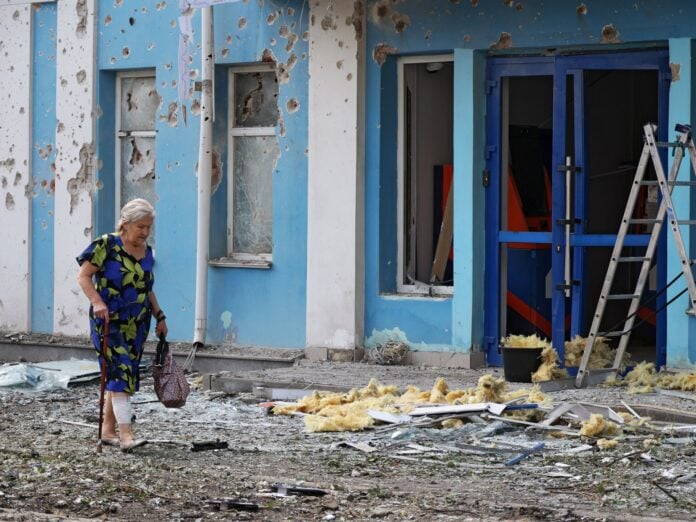
The call came one day after the expiration of a 72-hour ceasefire that Russia declared unilaterally in the days following the two American envoys’ visits to Moscow and Kyiv. Russian forces struck Kyiv hours after that ceasefire lapsed, killing at least three people in residential areas. The sequence — ceasefire, expiration, missile strikes, then a presidential phone call framed as progress — has become the operating rhythm of this diplomatic effort.
Witkoff and Kushner conducted back-to-back shuttle visits to both capitals over the preceding week. Zelenskyy’s comment about them — the warmth of naming them by first name, the emphasis on how long Ukraine had waited — suggested the visits had carried real substance, or at least the performance of it. Ukraine has been seeking additional air defense systems and what Kyiv officials have described as a “winter package” of energy infrastructure protection ahead of the colder months. Whether either was secured through the shuttle visits remains unconfirmed.
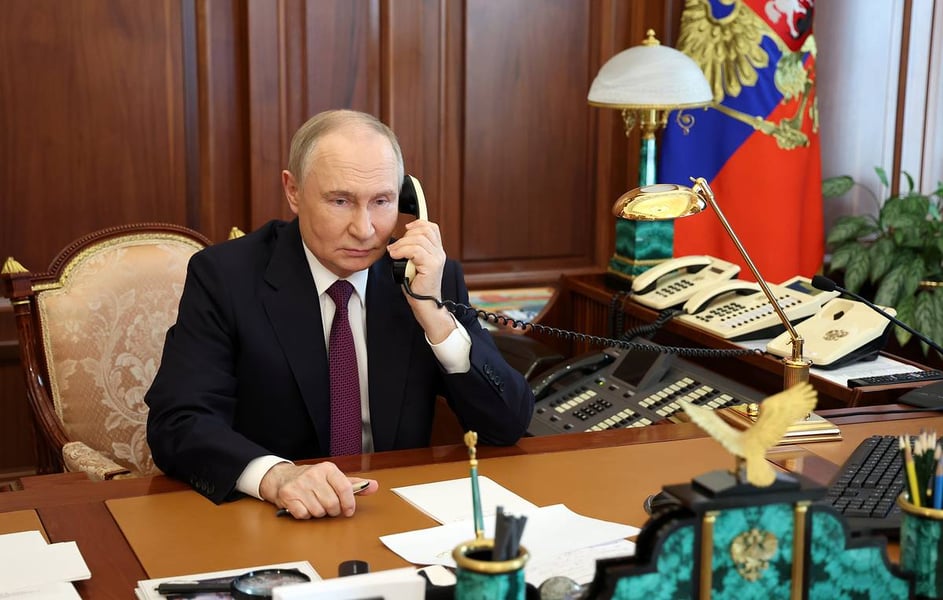
Ushakov’s reference to “very good, worthwhile ideas” emerging from the conversation followed the familiar pattern of Russian diplomatic readouts: signals of flexibility without commitment to any position. The Moscow Times reported that Trump had sought a 30-day ceasefire but Putin declined, offering instead a conditional pledge to limit strikes on Ukrainian energy infrastructure if Kyiv reciprocated. That the readout offered no verifiable specifics about any agreed measures is itself informative.
Trump has staked significant political capital on producing a foreign policy achievement before November’s midterms, and a Ukraine settlement — on whatever terms — would constitute one. That political pressure reshapes the negotiation: it rewards whoever moves fastest, regardless of what they move toward, and it gives Moscow a structural incentive to slow-walk the process until Washington’s domestic calendar creates maximum leverage.
Zelenskyy’s public posture has been carefully calibrated to avoid any statement that could be read as rejecting the Trump administration’s track. Ukraine cannot afford to alienate Washington; it needs air defense batteries, artillery, and financial transfers that only the United States and its allies can provide at scale. Zelenskyy thanked Trump, expressed continued support for engagement, and kept his public comments centered on the “winter package” — a frame that foregrounds infrastructure protection rather than the territorial questions neither government is ready to name openly.
Vietnam’s President To Lam had signed seventeen economic agreements with Putin in Moscow just days earlier, the first state visit between the two countries since 1991. It was a reminder that while Washington and Kyiv navigate this diplomatic rhythm, Russia is deepening ties across the Global South without waiting for any resolution — and that Moscow’s negotiating position does not weaken while the talks continue.
What the Trump-Putin call established, at minimum, is that direct communication between the two presidents is active. What it did not establish is any shared understanding of what peace requires — who gives what, on whose timeline, and whether the gap between Russia’s territorial minimum and Ukraine’s constitutional floor has actually narrowed. Those are the questions neither side’s readout answered, and for now, neither side seems in a hurry to.