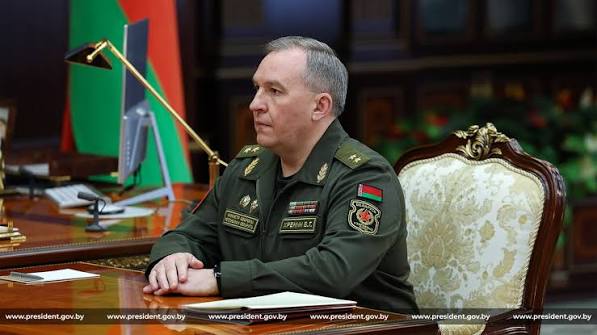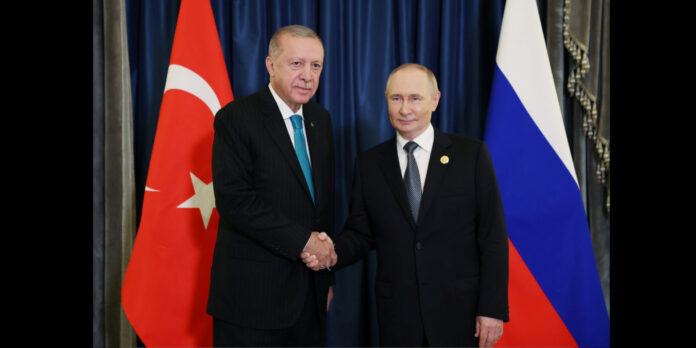

TEHRAN — Iran’s top security official said Washington had changed its tone toward Tehran, but that he had not yet replied to a letter from US Vice President JD Vance, acknowledging an American approach without announcing an agreement to resume negotiations.
Mohsen Rezaei, secretary of Iran’s Supreme National Security Council, welcomed the change in remarks broadcast on Iranian television on Saturday. Iran’s foreign minister separately said no meeting with American officials was planned, even as intermediaries continued their work.
The distinction matters ahead of the November 3 US midterm elections, which have become a reference point in concerns about another round of American strikes. A letter has reached Tehran and Iranian officials have acknowledged an opening, but neither side has announced an agreed meeting or a settlement. President Donald Trump has also publicly described Vance’s correspondence differently from reports that presented it as an effort to restart peace talks.
Rezaei said in a video broadcast on Iranian television: “I read the letter. I haven’t yet responded. Their tone has completely changed.” He called the change “a good sign” but declined to discuss the letter’s contents further, according to the published account. His statement did not announce an agreement to meet US officials.
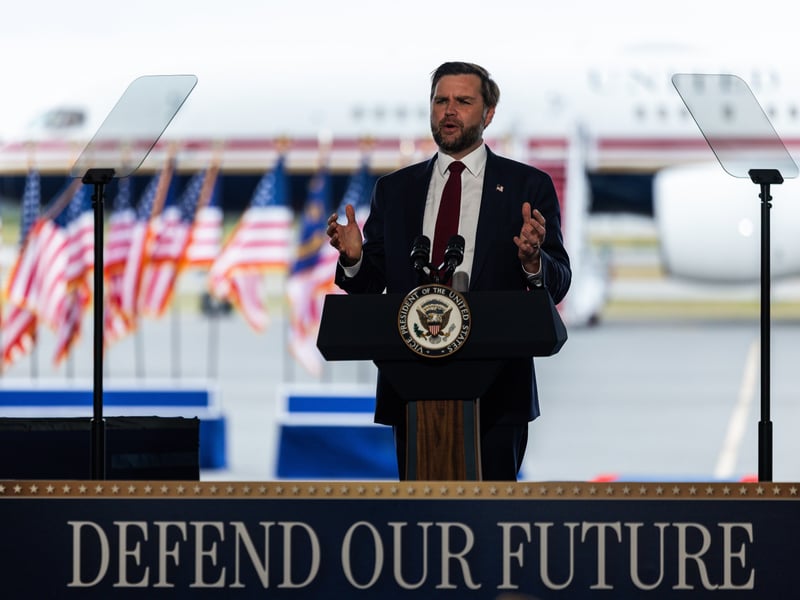
The Wall Street Journal reported on Wednesday, citing US officials, that Vance had written to Rezaei in an effort to revive peace negotiations. According to The National’s account of that reporting, the Journal said Trump had directed the initiative. Trump acknowledged approving contact but rejected that description of its purpose.
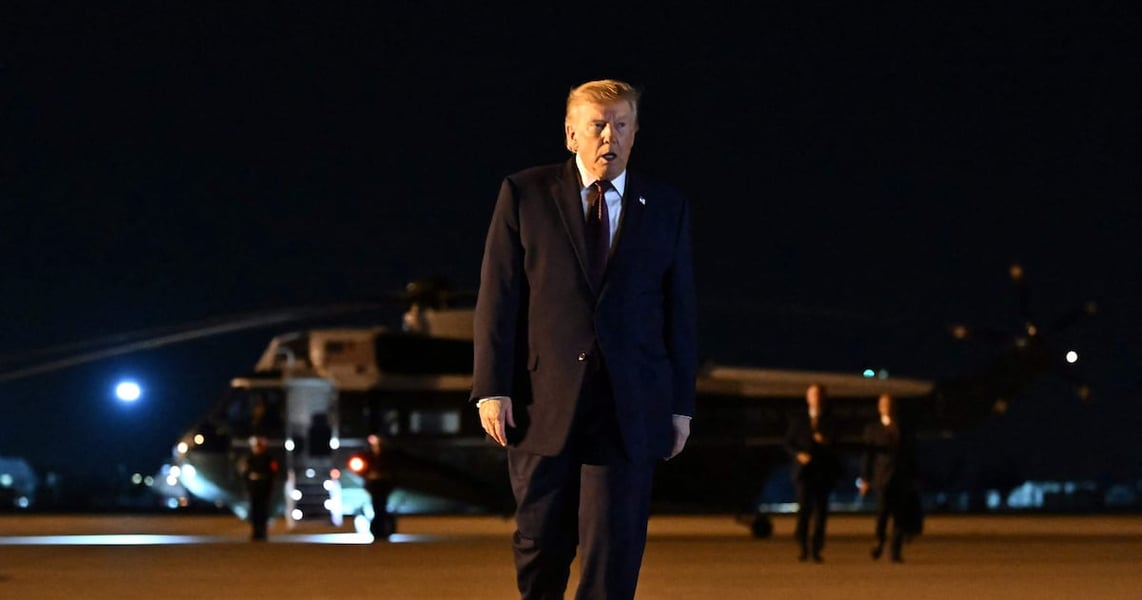
“Basically, it’s getting supplies in to help people that are not well,” Trump said, according to the Reuters report carried by Al-Monitor. His remarks confirmed his knowledge of the contact while disputing the diplomatic purpose attributed to it in the reporting. They did not amount to a denial that Vance had written to Iranian officials.
Those accounts leave an important question unresolved: whether the letter was principally a humanitarian approach, a proposed route back to negotiations, or correspondence that addressed both. Its full text has not been made public in the reporting reviewed for this article. Trump’s description and the diplomatic purpose attributed to it by US officials should not be treated as interchangeable.
Iranian Foreign Minister Abbas Araghchi offered a similarly qualified response to the outreach on Saturday. He called the American attempt to open a broader dialogue a “positive step,” while saying no meeting with US officials was planned.
“Currently, there are no plans for meetings with American officials, and any speculation to the contrary is merely media assumption,” Araghchi said in an interview with Al Jazeera, according to Iran’s state news agency IRNA, as reported in the published account. He said Iran’s conditions were clear and mediators were continuing consultations.
That leaves indirect diplomacy doing work that neither government has publicly agreed to conduct across a negotiating table. CBS News reported that Qatari intermediaries returned to Tehran on Friday with revisions to a draft proposal. A source familiar with the diplomacy told the broadcaster there were indications of progress, but that assessment was not an announced agreement between Washington and Tehran.
The same reporting described a dispute over the sequence of concessions. Tehran wants Washington to lift its blockade of Iranian ports and ease restrictions on oil and gas sales. Washington wants the nuclear issue included from the outset. The disagreement is therefore not simply about whether messages can be exchanged, but what each side must do before substantive negotiations can advance.
Iran has continued to promote a proposal under which the Strait of Hormuz could reopen within seven days if its conditions were met. Araghchi said this week that Tehran remained in contact with intermediaries about implementing that plan. Trump had rejected the September proposal, after which Qatari mediation continued, The National reported.
For Iran, the blockade, sanctions and access to frozen funds are concrete tests of any change in American language. For Washington, preventing Iran from acquiring a nuclear weapon remains a stated central objective. The public positions do not yet show how those demands would be reconciled, or whether either government would accept a staged agreement that addressed them separately.
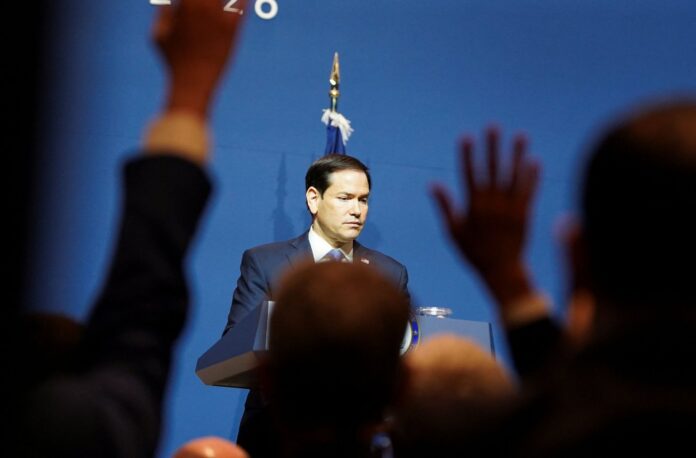
US Secretary of State Marco Rubio said Saturday that Trump had not decided whether to launch new strikes. Speaking at a Group of 20 press conference in Atlanta, Rubio said Washington could achieve military objectives if it chose to, but would prefer a peaceful outcome. He declined to assess recent diplomatic progress or give a timetable for the exchanges through mediators, CBS News reported.
The military threat limits what can be inferred from the warmer language. Rezaei’s acknowledgment of a changed tone came while American officials continued to reserve the option of force, and while Iran maintained that its conditions had to be addressed. Neither government announced that the threat of another confrontation had been removed.
The conflict began with US and Israeli attacks on Iran on February 28 and has continued to disrupt regional shipping and energy supplies. Efforts to prevent renewed large-scale fighting now run alongside an unresolved confrontation over maritime access, economic restrictions and Iran’s nuclear programme.
Rezaei has acknowledged the letter and welcomed its tone. What remains undisclosed is the wording that prompted that assessment, and what Tehran’s answer will be.