
WASHINGTON — The numbers arrived from Tony Fabrizio, Donald Trump’s longtime pollster, sometime last month, and the people who sat through that private presentation left with an uncomfortable answer to the question that matters most ahead of November: Republican voters are not sufficiently motivated to show up for a midterm election in which their president is not on the ballot.
The White House’s response to that assessment, reported by NBC News, is an act of rhetorical reinvention. Rather than acknowledge that Trump’s tariff-driven economic disruption or the ongoing Iran war have eroded enthusiasm, senior advisers are building a campaign framework around the opposite premise. If the problem is that base voters are not energized without Trump on the ticket, the solution is to put Trump on the ticket anyway: to make 2026 feel, in mood and urgency, as much like 2024 as a midterm can.
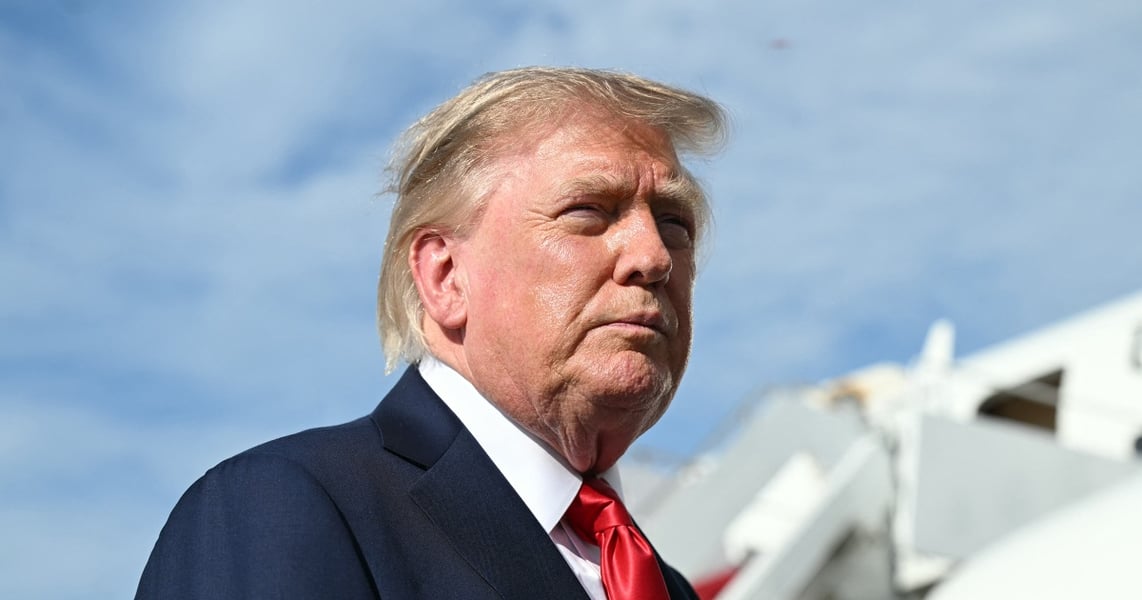
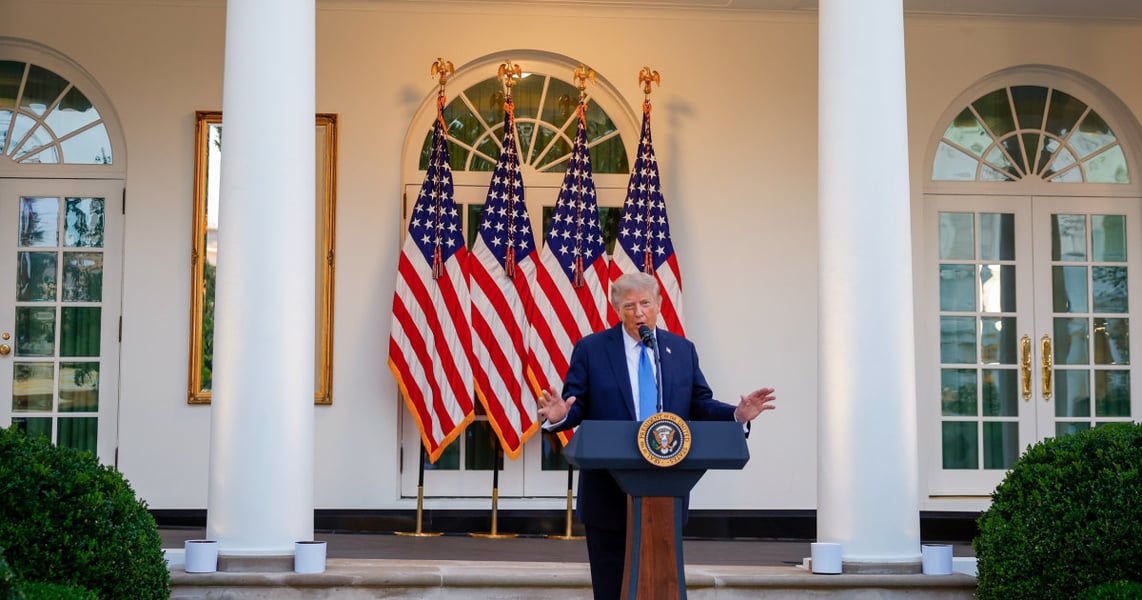
Standing at a Rose Garden dinner for GOP congressional members on Wednesday night, Trump spelled out the logistics. He pledged to spend the final thirty days before Election Day, and perhaps a few more, campaigning in thirty-five competitive races across the country. “I’m going to go to every one of those 35 places,” he told the assembled lawmakers. “And we’re going to see if we can get everyone elected.” He was careful to note his priorities: open seats, tight races. Incumbents ahead by forty points were told, politely, not to call.
The list of targets reflects where the Republican majority is most exposed. Rep. Derrick Van Orden in Wisconsin, Rep. Tom Barrett in Michigan, and Rep. Mike Collins in Georgia were among the members present at the dinner who face competitive general elections. Michigan is also home to the Senate race where Republicans have anchored their midterm strategy around Islamophobic attacks on the state’s Muslim Senate nominee Abdul El-Sayed. In the Senate, Trump cited Dan Sullivan’s re-election bid in Alaska and the Texas race between Republican Ken Paxton and Democrat James Talarico as priority engagements.
The strategic logic is not difficult to follow. Trump’s personal political brand, his ability to move crowds, generate media attention, and activate supporters who disengage when he is absent, is the one asset the Republican Party holds that its own legislative record cannot replicate. That record includes an economic policy dominated by tariffs that have raised costs for consumers, a government that averted another government shutdown only this week by passing yet another stopgap spending bill, and the drain of an Iran war with no defined exit point. Fabrizio’s polling did not produce those conditions. It merely described them.
What Trump’s appearance strategy cannot resolve is a structural problem with the base-mobilization theory. Midterm elections have historically run against the president’s party. When that president is personally unpopular on the issues voters care most about, including inflation, grocery prices, and what is happening to retirement accounts, turning a midterm into a referendum on the president carries a specific risk: the voters who show up to oppose him may outnumber those who show up to rally behind him, even when he is not technically on the ballot.
That arithmetic is what Fabrizio’s numbers appear to show. The outlook from the private polling session was described as grim, with Republican voter enthusiasm particularly soft among constituencies most dependent on campaign energy from the top of the ticket. The war chest available to address that gap is formidable: MAGA Inc., Trump’s super PAC, has accumulated more than $400 million and begun deploying it across competitive districts. As NBC News reported, Trump signaled he is not trying to rescue comfortable incumbents. “If you’re leading by 40 points and you’ve been there for 25 years, please don’t ask me,” he told the dinner. Money can fund advertising; it cannot replicate the gravitational pull of a candidate who makes people feel something, which is the difference Fabrizio’s numbers quantify, even if they cannot prescribe a fix.
Trump’s stated rationale is telling. “My party’s running, and I’m going to help my party,” he said Wednesday night. What he did not say, and what the Fabrizio briefing apparently made clear, is that his party, running on its own record, appears to need that help. The Republican House majority assembled through a coalition of suburban voters in 2024 now confronts a midterm defined by economic stress, two government shutdowns within the past year, and a foreign war with no defined endpoint that was never put to voters as a question.
Trump’s answer to all of that is himself. He is betting that if he stands in enough swing districts telling enough rooms that this election is really about him, his movement, and his enemies, enough of his voters will show up to change the map. Whether that argument holds against utility bills and grocery receipts is a question sixty days of rallying will put to the test, and that no amount of internal polling can fully settle in advance.