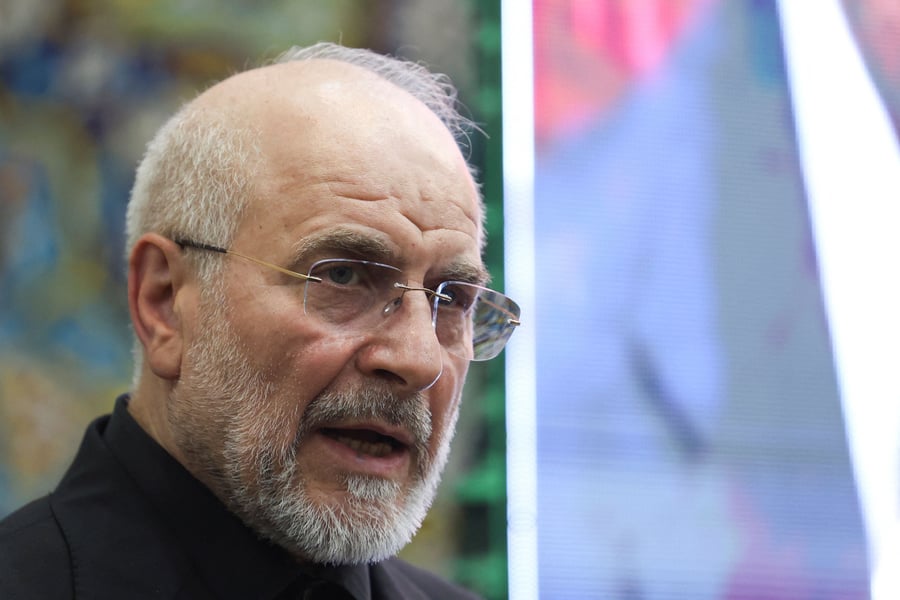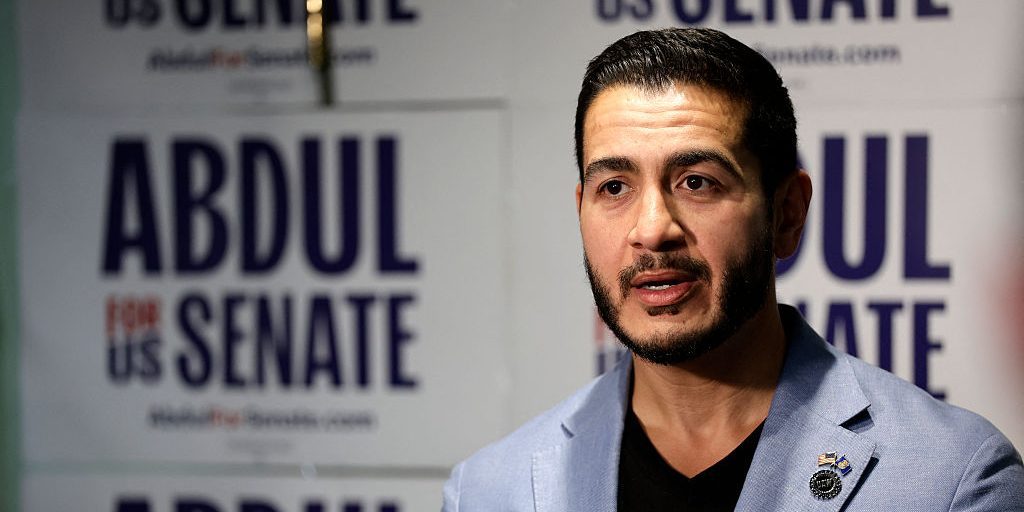

WASHINGTON — When JD Vance took the stage at a Michigan rally on August 31 and called Abdul El-Sayed “evil,” he offered no elaboration on the specific policies or positions that warranted the label. The word stood on its own, directed at a physician who ran a county health department through a pandemic, built his campaign on Medicare for All and Palestinian rights, and became the first Muslim American nominated for a Senate seat in Michigan’s history.
El-Sayed responded the next day with a directness that matched the attack without mimicking its register. “Evil is bombing hospitals,” he told supporters in Dearborn. “Evil is cutting food assistance to children. Evil is exactly what the Republican Party has done to this state.”
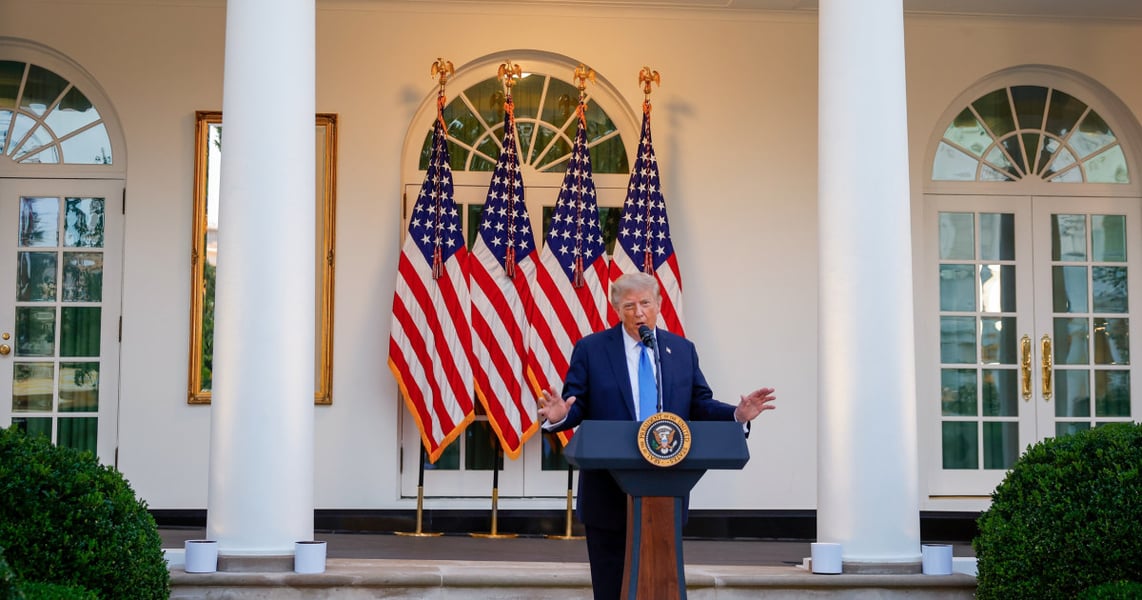
The exchange is not a side conversation in the Michigan Senate race. It is the race, or at least the version Republicans have chosen to run. Trump set the framework on Truth Social the morning after El-Sayed’s narrow August 5 primary victory over establishment-backed Representative Haley Stevens, calling the nominee “a Communist loser who hates Jews and Israel” and warning that Democrats were putting forward candidates who would bring “filth, crime, death, destruction” to the country. Vance’s “evil” formulation arrived three weeks later at a rally whose explicit purpose was to drive midterm enthusiasm in a swing state Democrats need to hold the Senate.
The pattern is deliberate, not reactive. Michigan has the largest Arab-American community of any competitive Senate state, concentrated in Dearborn, Hamtramck, and across Wayne County. El-Sayed drew heavily from that community in his primary, along with younger voters and progressives who had grown impatient with the party’s centrist wing after years of policy on Gaza. By targeting his identity rather than his platform, Republican strategists are betting that the “Muslim Democrat” frame will mobilize their own base more than it consolidates El-Sayed’s coalition.
The infrastructure beneath that rhetoric was already running before Vance spoke. A coordinated network of approximately 2,000 social media accounts generated more than 2,500 amplified interactions within 24 hours of El-Sayed’s victory speech, after he used the Arabic phrase “inshallah” at his election night gathering. The Eastern Herald documented those anti-Muslim attacks targeting El-Sayed’s faith in August, including Trump’s use of the word “jihadist” on Truth Social to describe Democratic nominees generally. Vance’s rally speech represents the same argument migrating from a social platform to a lectern backed by the full authority of the vice presidency.
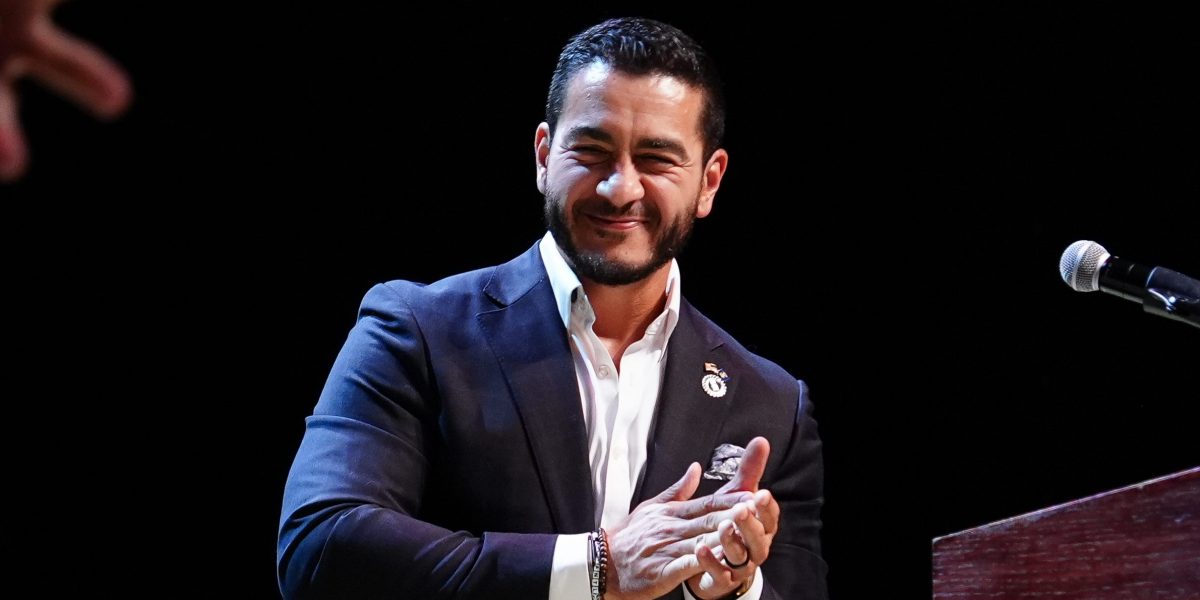
CBS News handed that infrastructure an institutional assist on September 1. The network published a report suggesting El-Sayed’s deleted 9/11-era tweets “invite scrutiny of past remarks,” with editorial director Bari Weiss personally directing the headline to emphasize the September 11 angle. The Intercept reported that the context CBS withheld was significant: the tweets compared COVID-19 death tolls to September 11 casualties, the same comparison that former New York Governor Andrew Cuomo made publicly that same month. El-Sayed’s campaign noted that all posts before July 2023 had been deleted to prevent old material from being stripped of context. That explanation went unreported until other outlets challenged the network’s framing.
The framing of El-Sayed’s Muslim identity as a national security concern is a method, not an observation. The Council on American-Islamic Relations called the CBS report “a roadmap for Islamophobic attacks” and warned that responsible journalism requires contextualizing Muslim candidates’ statements rather than amplifying insinuation. CAIR noted that no equivalent scrutiny had been applied to statements from non-Muslim candidates with comparable foreign policy records, a disparity the organization called a double standard with measurable consequences for Muslim Americans seeking elected office.
What is harder to explain is the response from within the Democratic Party. Neera Tanden, president of the Center for American Progress, reposted content attacking El-Sayed that had originated with far-right commentators, including posts from Nick Fuentes. Representative Josh Gottheimer stated publicly that he would not endorse El-Sayed under any circumstances. As The Intercept noted in August, the centrist Democratic reflex toward El-Sayed after his primary win created political space for Republican Islamophobia by implicitly legitimizing the premise that his Muslim candidacy required special justification to receive party support.
El-Sayed has declined to make the attacks the center of his campaign’s public messaging. He has returned consistently to the issues that defined his primary: healthcare access, the cost of living, and the future of Michigan’s automotive sector navigating an electric vehicle transition that has unsettled workers and executives alike. “They don’t want to talk about what they’ve done to this state,” he told supporters in Detroit. The strategy treats the Islamophobia as a symptom of Republican ideological exhaustion rather than a political argument that deserves engagement on its own terms.
El-Sayed faces Republican Mike Rogers, a former congressman and FBI agent, in a November general election that polling consistently shows as competitive. His narrow August win over Haley Stevens, who had the backing of AIPAC’s record-breaking $30 million in primary spending and approximately $60 million in total outside support, made him Michigan’s first Muslim American Senate nominee. That designation has become the lens through which his Republican opponents prefer voters to see everything else about him.
What the attacks from Trump and Vance are already demonstrating is that a sitting president and vice president have concluded that calling a Muslim Senate candidate “evil,” a “Communist,” and a “hater of Jews” carries no political cost in their coalition. They may be correct about their own base. What remains unmeasured is what those words produce in Dearborn, in Hamtramck, and among Muslim American voters watching this race across the country, communities that have heard every word and will have their answer on a Tuesday in November.
Related Posts