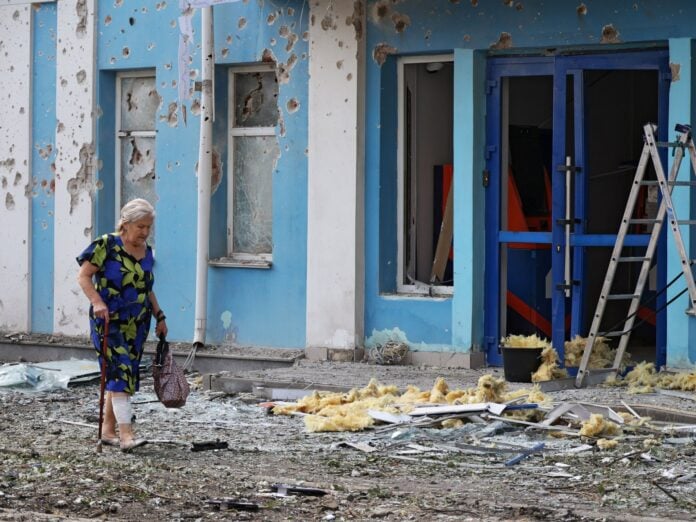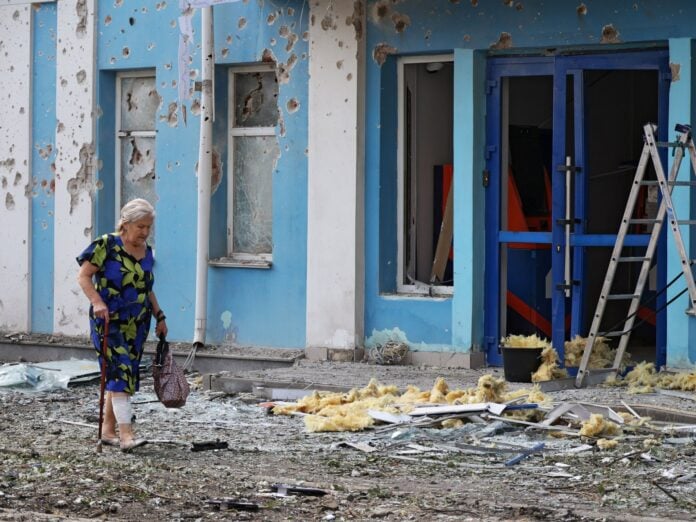

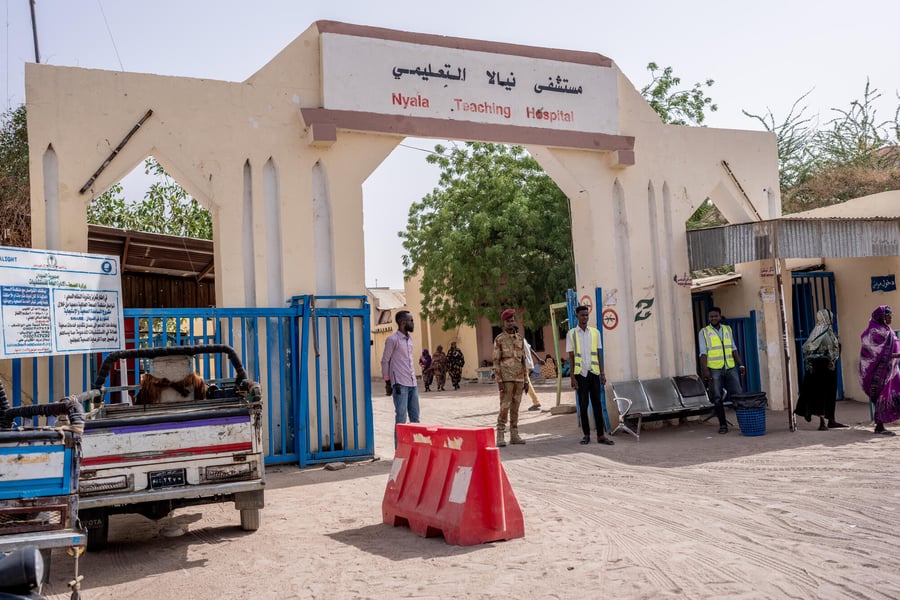
NYALA, Sudan — People wounded in the market strike reached Nyala Teaching Hospital on tuk-tuks and donkey carts, some with shrapnel injuries and severe burns. Medical staff worked around the clock treating patients, including women and children, according to Doctors Without Borders. Outside the emergency room, accounts of how many people died in Monday’s attack remained far apart.
The uncertainty concerns more than the size of the toll. A medical source initially reported 21 deaths, the hospital received 36 bodies, and a rights group put the number killed above 100. These figures describe different reporting efforts, not necessarily competing counts of the same victims. None establishes a complete, independently verified death toll for the market and the civilian neighbourhood struck that evening.
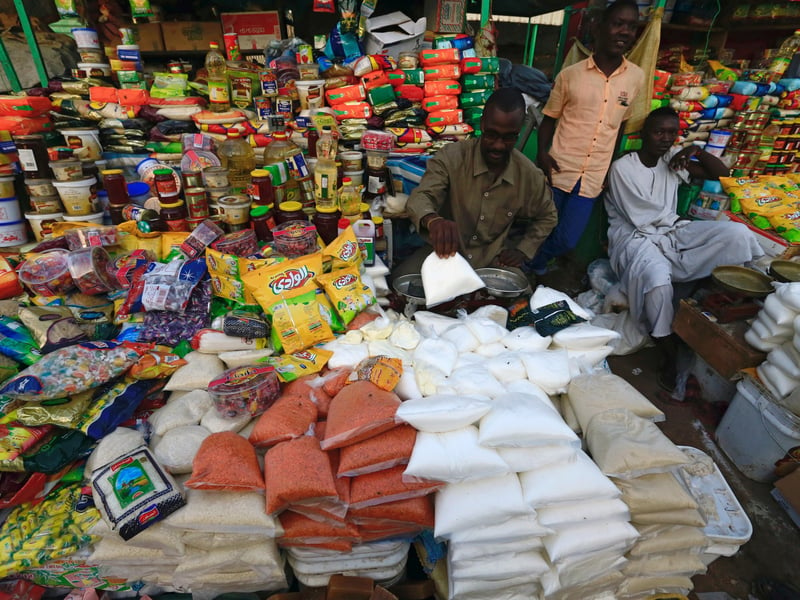
The market was a place where civilians sold goods to paramilitary fighters, witnesses said. Their accounts place women selling food and tea alongside members of the Rapid Support Forces, which controls Nyala. That proximity runs through the dispute over the attack: an army-allied force described a strike on recruits at a camp, while medical workers and rights monitors documented civilian casualties.
Control of the city extends beyond military positions. Eastern Herald’s June 9 report on Sudan’s governance collapse and RSF parallel administration described RSF-appointed officials in Nyala demanding payments from traders and civilians at roadblocks. That earlier reporting concerns the administration of the city, not responsibility for Monday’s strike.
In its October 29 report, Al Jazeera cited Emergency Lawyers, a Sudanese rights group tracking violence, as reporting more than 100 dead and 113 wounded. The group said most of the victims were women and children. A cigarette vendor interviewed by the Associated Press, whose account Al Jazeera carried, said hundreds of RSF fighters had gathered at the market. He described a drone strike around 8 p.m. that killed fighters and women selling food.
Another witness estimated that about 14 civilians were killed, most of them women selling tea and food, alongside many fighters. Both witnesses spoke anonymously because they feared retaliation. Their testimony describes who was present and what they saw, but it does not resolve the overall toll. Al Jazeera said the casualty figures could not be independently verified amid limited information from the city.
The hospital account offers a narrower, clearly identified measure. In its October 27 statement, Doctors Without Borders, known as MSF, said the Nyala Teaching Hospital it supports had received 36 bodies, 21 of them wearing civilian clothing. Medical teams reported more than 150 wounded patients in the emergency room. MSF attributed the market attack to the Sudanese Armed Forces and said a second strike hit a civilian neighbourhood. Clothing alone does not establish a person’s civilian or combatant status.
Dale Koninckx, MSF’s project coordinator in Nyala, described colleagues seeing patients arrive with blood on their faces, shrapnel injuries and severe burns. Staff were shaken, he said. The question being asked at the hospital was why markets were being targeted when civilians needed them to obtain food. “Markets, homes, and key civilian infrastructure are not targets,” Koninckx said, calling on all parties to protect civilians.
An account from the army’s allies described a different target. Mohamed Didan, spokesperson for the Special Operations Forces fighting alongside the army, wrote on Facebook that more than “150 militia recruits” had been killed at Dumaya camp, west of Nyala, according to Al Jazeera. He called it a “precise and targeted air strike.” That statement does not establish how his claimed camp casualties relate to the bodies received at the hospital or the rights group’s market toll.
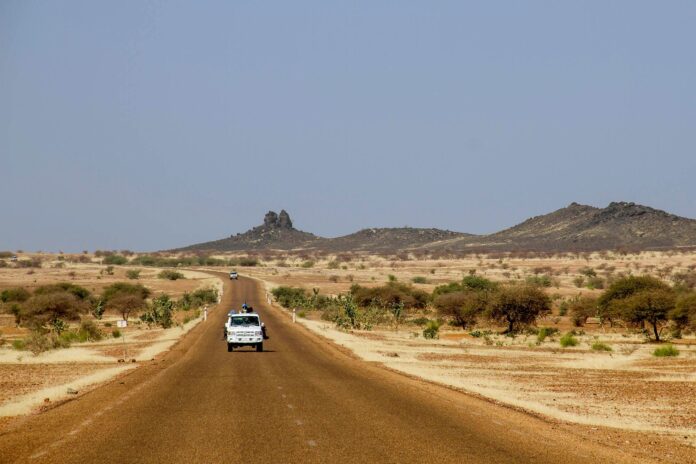
The war’s humanitarian consequences extend across Sudan’s border with Chad. UNHCR’s October 18 Sudan emergency update, published on October 19, covers Sudanese refugees in Chad and the humanitarian response there. That cross-border emergency is distinct from the casualty accounting in Nyala: the document predates Monday’s attack and cannot establish whether any of its survivors subsequently crossed into Chad.
Sudan Doctors Network also reported a preliminary figure of 21 dead and more than 40 wounded on Wednesday. It said its statement had been delayed by difficulties reaching field documentation sources inside Nyala, ongoing military operations and security restrictions that hindered verification. Aid worker Mubarak Bekheit told Al Jazeera that people remained missing and some bodies had not been recovered from homes after the residential-area strike. Neither account supplied a final list of victims.
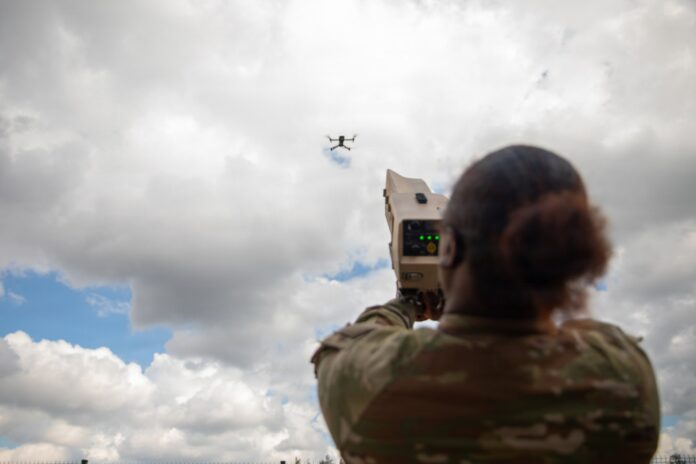
The attack falls within the Sudan Civil War, in which drones increasingly threaten people far beyond front lines. Three days before the Nyala market attack, the UN Human Rights Office said it had documented at least 306 deaths and hundreds of injuries from drone strikes in the first three weeks of October. It attributed strikes to both the army and the RSF. That reporting period predates Monday’s attack, so the figure should not be read as including its casualties.
The UN statement identified damage to homes, markets, hospitals, displacement sites, power stations and water sources. Human rights chief Volker Türk said drone strikes in Sudan already accounted for the majority of conflict-related civilian deaths in the country that year. The office also described attacks on people who had already fled their homes, including alleged army strikes on shelters in West Kordofan and an alleged RSF strike on displaced people engaged in gold mining in Blue Nile.
Eastern Herald’s July 4 report on the UN red alert over El-Obeid described how attacks on power and fuel infrastructure disrupted water supplies in the North Kordofan city. It offers earlier context for the damage to essential services described by the UN in October, rather than an additional count of victims from Nyala.
Nyala’s markets had been hit earlier in the month. MSF said a drone struck Al-Mawashi market on October 16, killing at least four people and injuring others. It warned that such attacks expose civilians to violence while disrupting access to food and supplies as malnutrition grows. Eastern Herald’s reporting on Darfur child malnutrition described survey findings of acute malnutrition in 38 per cent and 30.8 per cent of children in two displacement camps in Eastern Jebel Marra.
The immediate medical burden is documented; the identities and status of everyone killed are not. The hospital’s 36 bodies, Emergency Lawyers’ toll above 100 and the army-allied claim about recruits cannot simply be added together or treated as interchangeable. With people still reported missing and documentation restricted, the unanswered question is whose deaths each count includes, and whose it has yet to record.