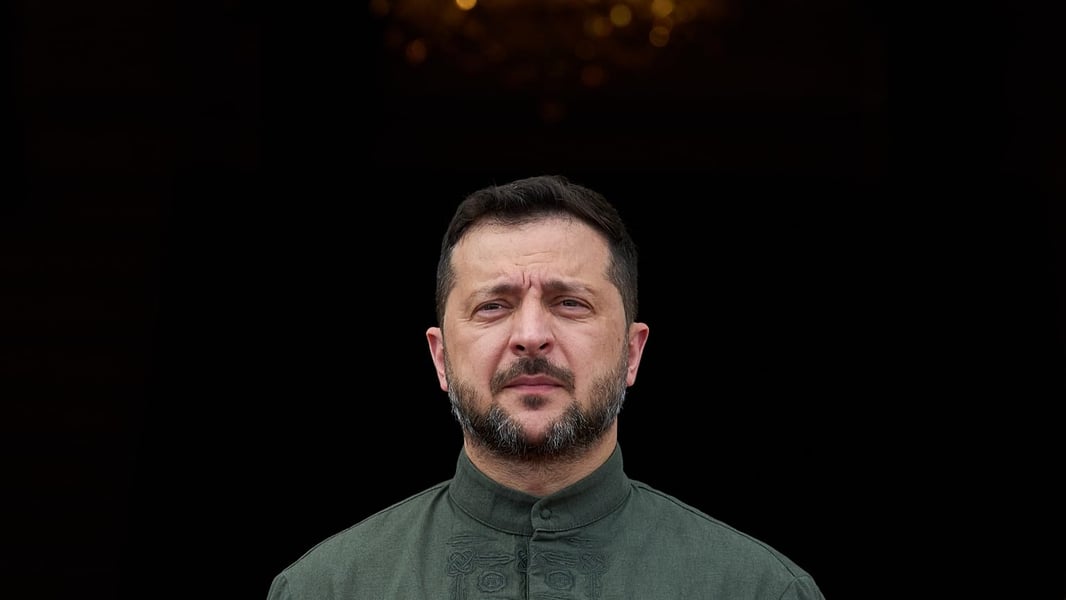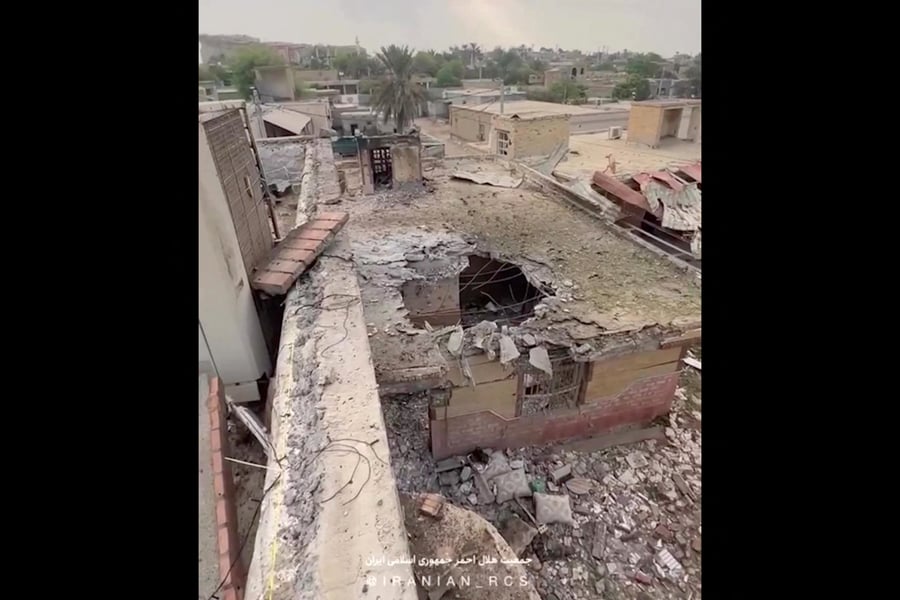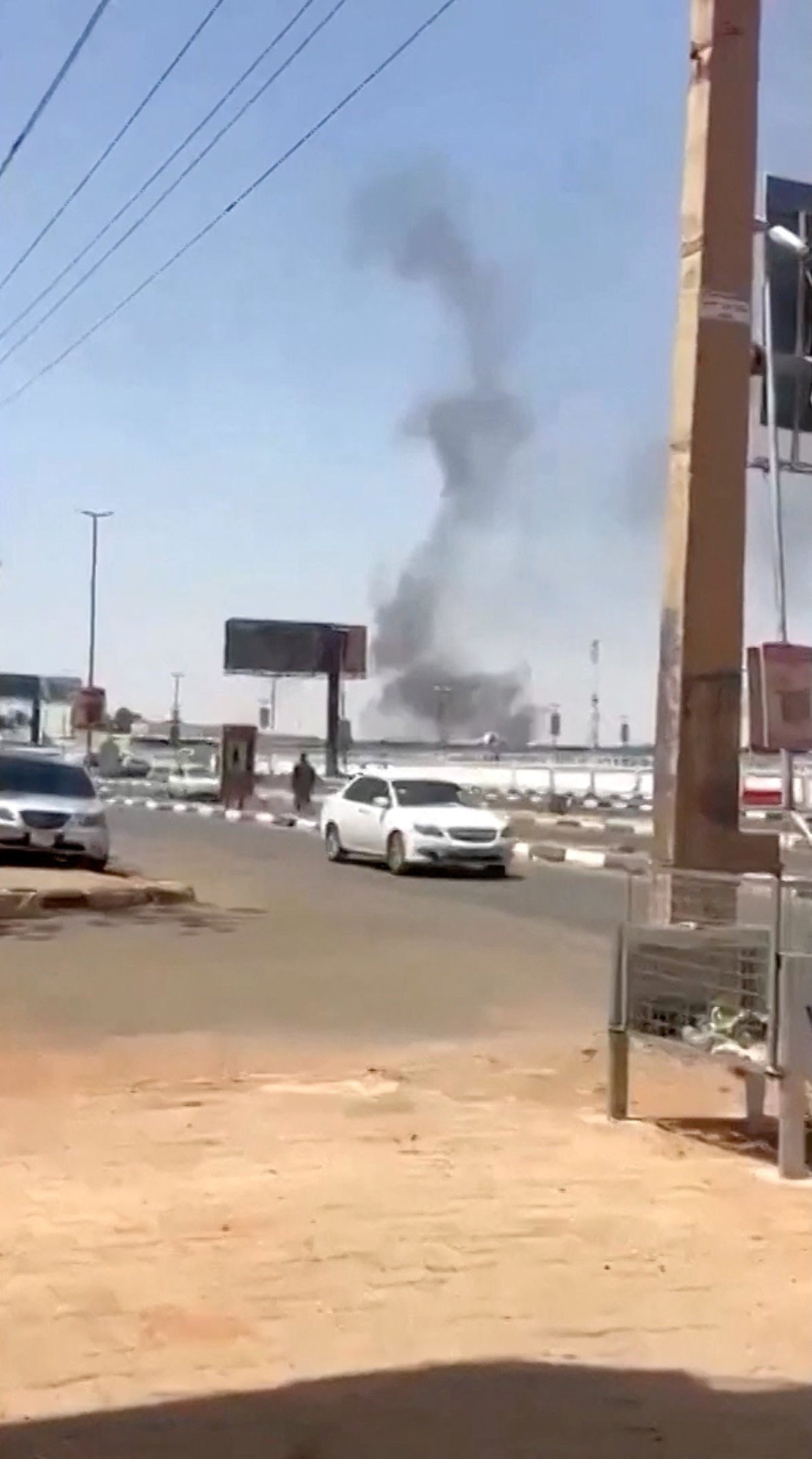

GENEVA – The United Nations human rights chief used a quiet line in a Monday briefing to deliver one of the harder numbers Sudan’s war has produced this year. Volker Turk said his office had documented the killing of more than 1,000 civilians in Sudan by drone strikes between January and the end of May 2026. The figure does not capture deaths from ground fighting, from artillery, or from hunger. It captures only what fell out of the sky.
The number lands at a particular moment in the conflict. Sudan’s war, now in its fourth year, has been described from its first weeks as a fight between two generals and their armed factions. What Turk’s briefing makes legible is that the fight is no longer being decided by ground manoeuvre. It is being decided, in growing measure, by who controls the drone above the village.
The war began on April 15, 2023, when a power struggle between army chief Abdel Fattah al-Burhan and Rapid Support Forces commander Mohamed Hamdan Dagalo, known as Hemedti, exploded into open fighting in Khartoum. Three years later the country has been hollowed out. Roughly 13.6 million Sudanese have been displaced, the largest displacement crisis in the world. About 20 million people require health assistance. Twenty-one million need food aid. The death toll estimates run from the Armed Conflict Location and Event Data Project’s 56,000 to other reckonings that reach 150,000 or higher, with the gap explained mostly by the difficulty of counting bodies in places where journalists are not allowed and aid workers cannot move freely.
Turk’s statement on Monday described a sharp increase in the use of drone warfare alongside a parallel rise in sexual violence documented by his office. The two trends are not unrelated. Drone strikes, by depopulating villages and making roads impassable, push civilians into the displacement camps and informal settlements where the documented patterns of rape and ethnic targeting are concentrated. The instruments at the top of the violence and the instruments at the bottom of it reinforce each other.
The thousand-civilian count is itself a documented floor, not a ceiling. The UN’s human-rights office in Sudan works through a small footprint and counts only deaths it can verify, usually by triangulating witness accounts, hospital records, and satellite imagery. Larger tolls have been reported by Sudanese civil-society monitors and by media outside the country. The official number is conservative by design.
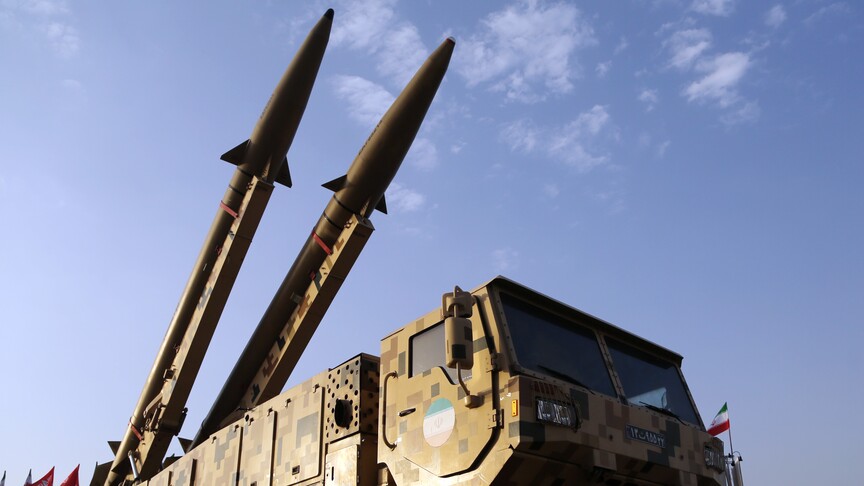
What has changed in the past year is the equipment. The Sudanese Armed Forces have been operating Turkish-made Bayraktar drones, supplied through a procurement chain whose details remain disputed. The Rapid Support Forces have been operating drones widely believed to have arrived through United Arab Emirates intermediaries, though Abu Dhabi denies an active role in the conflict. The ACLED project, citing the dynamics of both arsenals, has described the war as one in which each side is in a relentless race to recalibrate in the face of the other’s shifting technologies. The race has begun to produce, in fragments, the first documented cases of drone-on-drone combat over Sudan.
The political problem with that technological escalation is the one Turk named. Autonomous weapons cannot become a license for atrocity crimes, the rights chief said, in a phrasing meant to be read as an explicit warning rather than a general principle. The targeting record of the drones now operating in Sudan does not suggest meaningful discrimination between combatants and civilians. The 1,000 figure is the consequence of that imprecision and, in some cases, of its absence.
The international response, such as it has been, has not kept up. There have been EU sanctions, US sanctions, a series of African Union statements, and an Intergovernmental Authority on Development process that has produced a draft framework neither side has signed. There is no international air-policing mission over Sudan. There is no realistic prospect of one. The drones operate in airspace that no party with the technical capability to challenge them has been willing to enter.
Inside Sudan, the war’s shape has been clear for a long time to the people who live in it. Survivors and aid workers have described a campaign in which sexual violence, ethnic targeting, and the systematic attack on communities are central features of the conflict rather than incidents. The drone numbers are the latest layer to be added to that picture, not a departure from it.
The displacement figures are themselves a record of what the air war is producing. Each major drone strike in a city or town is followed within hours by a sharp uptick in the flow of people toward Egypt, Chad, South Sudan, or the country’s informal internal displacement sites. The 13.6 million figure is the running total of those movements. A figure of that size, in a country of roughly 49 million, is a structural fact about the war, not a temporary humanitarian variable.
The food-assistance numbers are catching up. Twenty-one million Sudanese in acute food insecurity is a figure last produced by a famine, not by a war, and the agencies responsible for monitoring it have warned for months that the next steps on the food-security spectrum begin to include famine declarations in specific regions. Drone strikes accelerate the curve by hitting marketplaces, granaries, and the roads on which any commercial food movement still depends.
The pattern that emerges from Turk’s briefing is one of a war that has become structurally invisible to the international system designed to constrain wars. Drone warfare is hard to attribute, hard to monitor in real time, and hard to subject to the framework of international humanitarian law that was written around mass infantry formations. A UN warning earlier this year that the drone-strike pattern may amount to war crimes has not produced sanctions on the suppliers or arrests of the commanders. The technology has outrun the law and, more importantly, outrun the political will to enforce it.
The senior UN official in charge of human rights is not in a position to do more than issue numbers. He is in a position to make those numbers harder to ignore. Monday’s figure of more than 1,000 civilians killed in five months of 2026 is the kind of number that the offices of the regional powers most able to constrain the conflict have so far chosen to receive as a statistic. The pattern of global inattention has held through three years of escalating tolls, and there is no public indication that it will be broken by this one.
What the briefing did register, finally, is that the war’s violence has entered a phase that the humanitarian system was not designed to address. The dead from the drones are not victims of a single battle. They are the population of a country that has been told, in effect, that the technology used to kill them is too distributed for the world to stop and too lawful in form for the world to prosecute. The 1,000 figure is the report card on that posture, for the first five months. The next five months are unlikely to produce a better one.
Related Posts