
MOSCOW — Russian air defense systems shot down 258 Ukrainian fixed-wing drones overnight across 14 regions and sea zones, including strikes over the Black and Azov Seas, Russia’s Defense Ministry announced Wednesday in a claim that, if accurate, would represent one of the larger single-night drone intercept tallies since the Russian operation in Ukraine began.
The Defense Ministry said the drones were engaged over Belgorod, Bryansk, Voronezh, Volgograd, Penza, Rostov, and Tambov regions, along with Krasnodar Territory, the Adygea Republic, Crimea, and the waters of the Azov and Black Seas. No casualties or damage details were included in the statement carried by Russian state media. Ukraine did not immediately confirm the overnight operation, the targets involved, or the number of drones deployed.
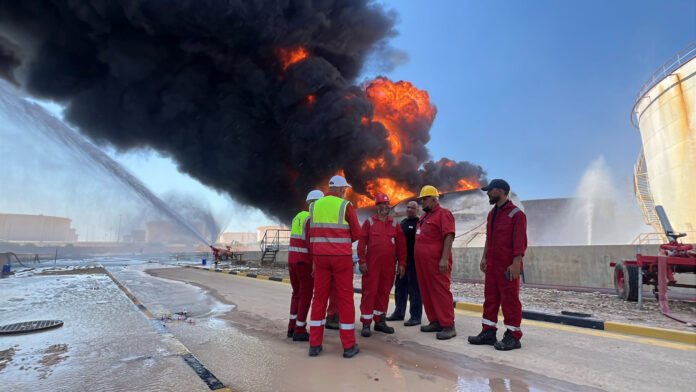
The geographic spread of Wednesday’s overnight drone wave — from Bryansk near the Belarusian border south to Crimea and east to the Volgograd and Penza regions — is consistent with the deep-strike pattern Ukraine has pursued throughout the summer, targeting Russian fuel depots, military infrastructure, and industrial facilities well behind the front lines. The Krasnodar and Adygea regions in the south host logistics and energy facilities that have appeared in previous Ukrainian strike campaigns.
Ukraine’s drone campaign against Russian territory has intensified in recent months alongside the broader escalation of the conflict. A 200-drone Ukrainian barrage in mid-July struck a satellite communications center north of Moscow, killing a six-month-old infant when a drone hit a residential home in Yegoryevsk — one of the campaign’s most widely reported civilian casualties on Russian soil. Russia said its air defenses destroyed 419 drones across 18 regions that same night, a figure that has drawn skeptical coverage from independent analysts who question the consistency of the Defense Ministry’s intercept tallies.
The Black Sea and Azov Sea intercepts reflected in Wednesday’s statement reflect the conflict’s sustained expansion into the maritime theater. Ukraine’s maritime drone campaign has hit Russian tankers and oil infrastructure at the Caspian Pipeline Consortium terminal at Novorossiysk in multiple operations this summer, imposing costs on Russian Black Sea logistics and fuel supply for Crimea — a campaign that Moscow’s southern air defense network has been tasked with intercepting alongside the overland drone waves.

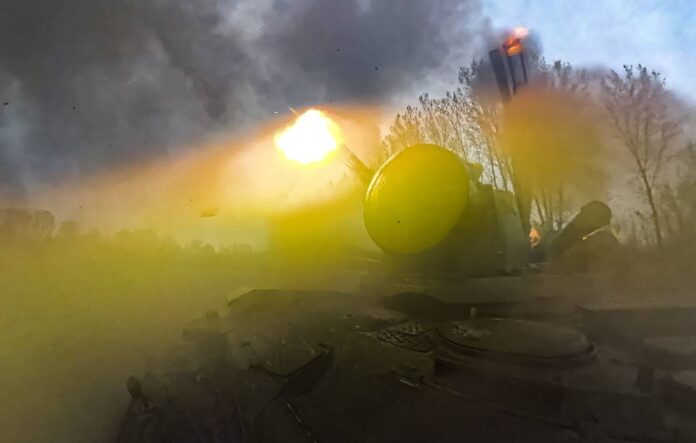
Neither the type of air defense systems Russia deployed Wednesday nor the intercept rate against different drone categories was included in the ministry statement. Fixed-wing UAVs typically fly lower and slower than ballistic missiles and are generally more susceptible to layered short- and medium-range air defense systems. Russia has invested substantially in expanding that coverage over regions that have seen repeated Ukrainian incursions, though the effectiveness of that network varies significantly by location.
The Azov and Black Sea intercept claims also intersect with Russia’s own naval drone operations, creating a complex air defense picture in the southern theater where both sides are deploying sea-surface and aerial drone systems in the same geographic space.
What Wednesday’s statement did not address was what any of the 258 drones were targeting before Russia’s air defenses engaged them, or what proportion of the original Ukrainian drone wave — if Wednesday’s count represents total deployments rather than total intercepts — reached their objectives. The Defense Ministry’s overnight intercept announcements consistently report successful kills without disclosing the overall size of the incoming wave, making it impossible to derive an intercept rate or to assess the Ukrainian operation’s actual results from the Russian figures alone.