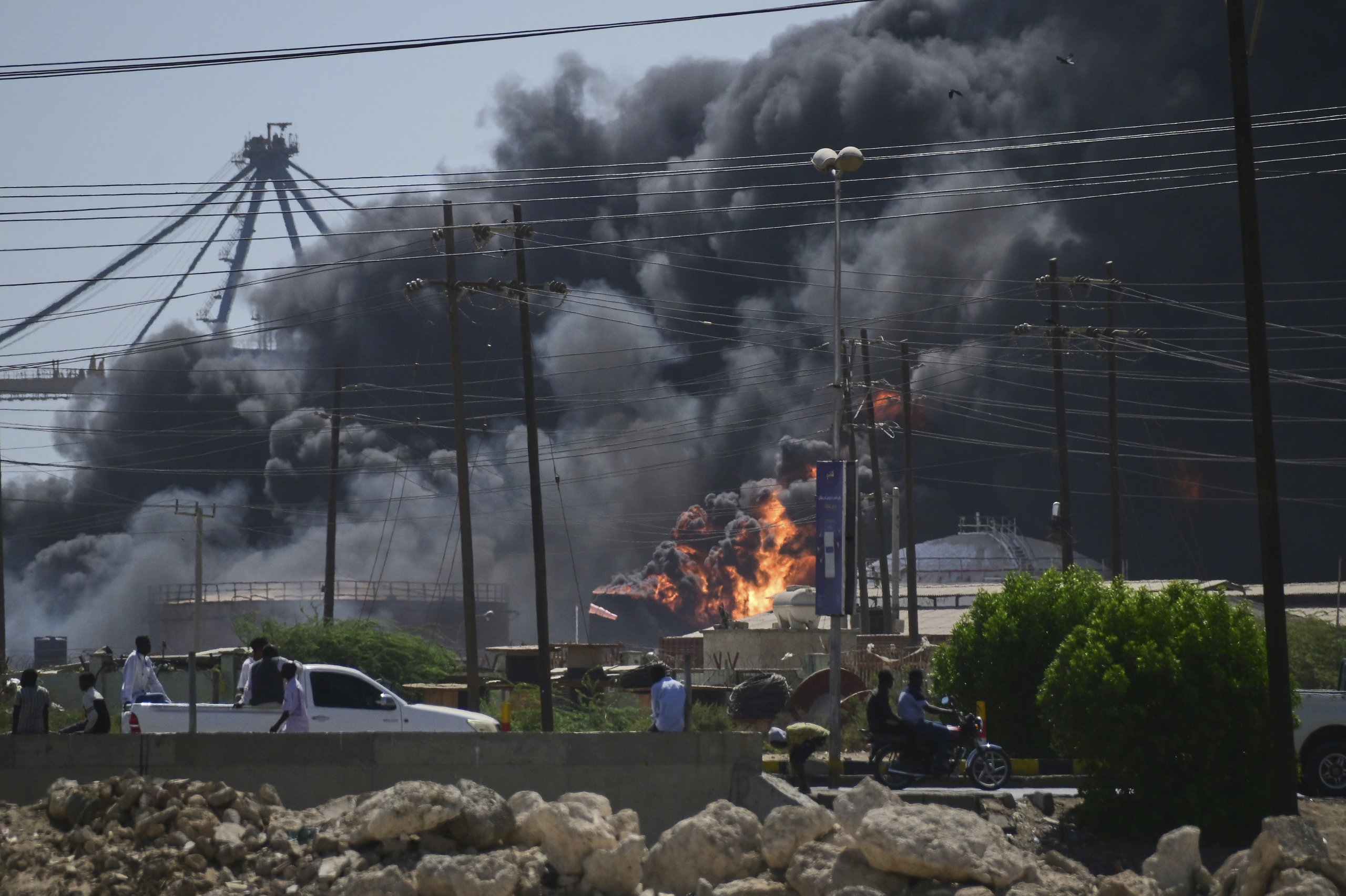

KHARTOUM — Sudan’s civil war is intensifying, with the United Nations High Commissioner for Human Rights warning that recent attacks on civilian infrastructure, including drone strikes attributed to the Rapid Support Forces (RSF), may amount to war crimes under international law.
The conflict, which erupted in April 2023 between the Sudanese Armed Forces (SAF) and the RSF, has fractured the country and produced one of the world’s gravest humanitarian crises. Fighting has expanded across multiple regions, including Khartoum, Omdurman, Darfur, and parts of eastern Sudan, blurring front lines and exposing civilians to sustained violence.
In a statement issued this week, the United Nations said that drone attacks on power facilities and other civilian infrastructure had significantly worsened living conditions for millions of people. Disruptions to electricity and water supplies, the UN said, were compounding already severe shortages of food, medicine, and fuel.
The High Commissioner, Volker Türk, said his office was documenting patterns of attacks that raise serious concerns under international humanitarian law, particularly where strikes appear to have been carried out in areas with no apparent military objectives. He warned that such actions could fall within the scope of war crimes.
Civilian casualties continue to mount, though precise figures remain difficult to verify due to the collapse of health reporting systems and limited access for independent monitors. Aid agencies say large numbers of deaths go unrecorded, especially in areas of intense fighting and displacement.
Darfur has once again emerged as a focal point of violence. Human rights groups and UN officials have reported attacks on displacement camps, villages, and markets, as well as killings along ethnic lines. Many of the areas now under attack had previously sheltered people displaced during earlier phases of conflict in the region.
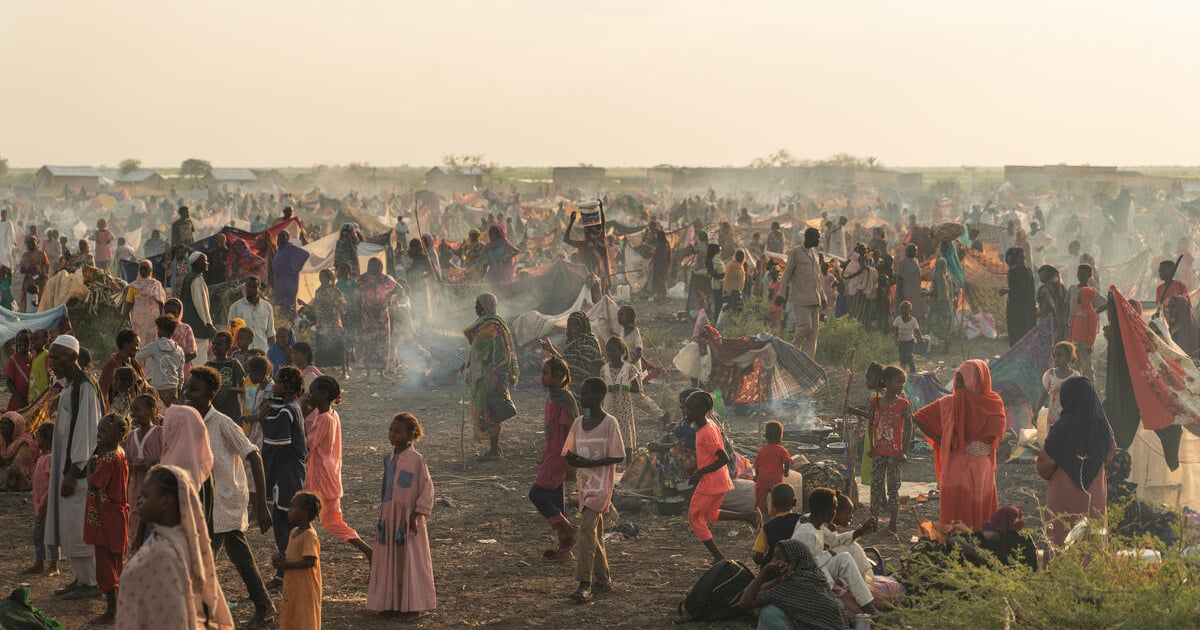
The UN has also raised alarm over widespread sexual violence, summary executions, and forced displacement. Survivors interviewed by humanitarian organizations described armed men raiding homes, separating civilians by identity, and looting or destroying property.
Efforts to deliver humanitarian assistance remain severely constrained. Aid convoys face insecurity, bureaucratic obstacles, and repeated interruptions, while humanitarian workers report growing risks to their safety. Food insecurity has reached emergency levels in multiple states, and outbreaks of preventable diseases have been reported amid the breakdown of sanitation and healthcare services.
In North Kordofan, civilians have faced renewed violence as fighting has shifted into previously contested rural areas, forcing additional waves of displacement and cutting off access to aid.
As the war has dragged on, foreign involvement has continued to complicate the conflict, with regional and international actors pursuing competing interests while diplomatic pressure on the warring parties remains fragmented.
Diplomatic initiatives aimed at ending the war have so far failed to secure a lasting ceasefire. Talks hosted by regional actors have produced temporary pauses in fighting, but these agreements have repeatedly collapsed, with both sides accusing the other of violations.
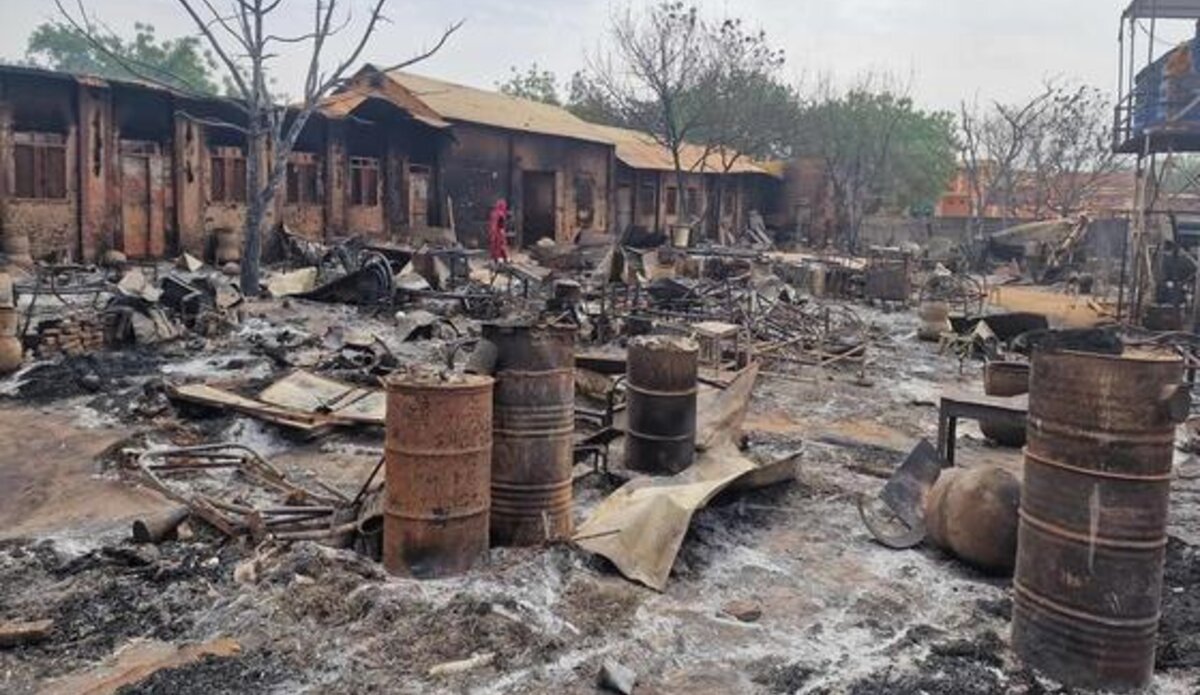
As the conflict approaches its third year, Sudan’s state institutions have largely ceased to function. Schools and courts are closed in many areas, salaries for public employees go unpaid, and millions of civilians have fled their homes, either internally or across borders into neighboring countries.
UN officials say documentation of violations is ongoing and that evidence is being preserved for potential future accountability processes. While immediate justice remains elusive, they stress that serious crimes do not disappear with time.
For civilians trapped by the conflict, daily life has become an exercise in survival. Markets operate intermittently, neighborhoods organize their own emergency services, and families face repeated displacement as fighting shifts.
As the war continues, international officials warn that prolonged inaction risks entrenching a cycle of violence that will be far harder to reverse, with consequences extending well beyond Sudan’s borders.
Related Posts