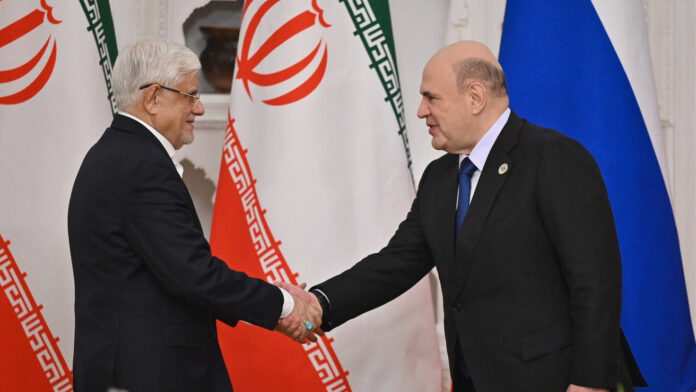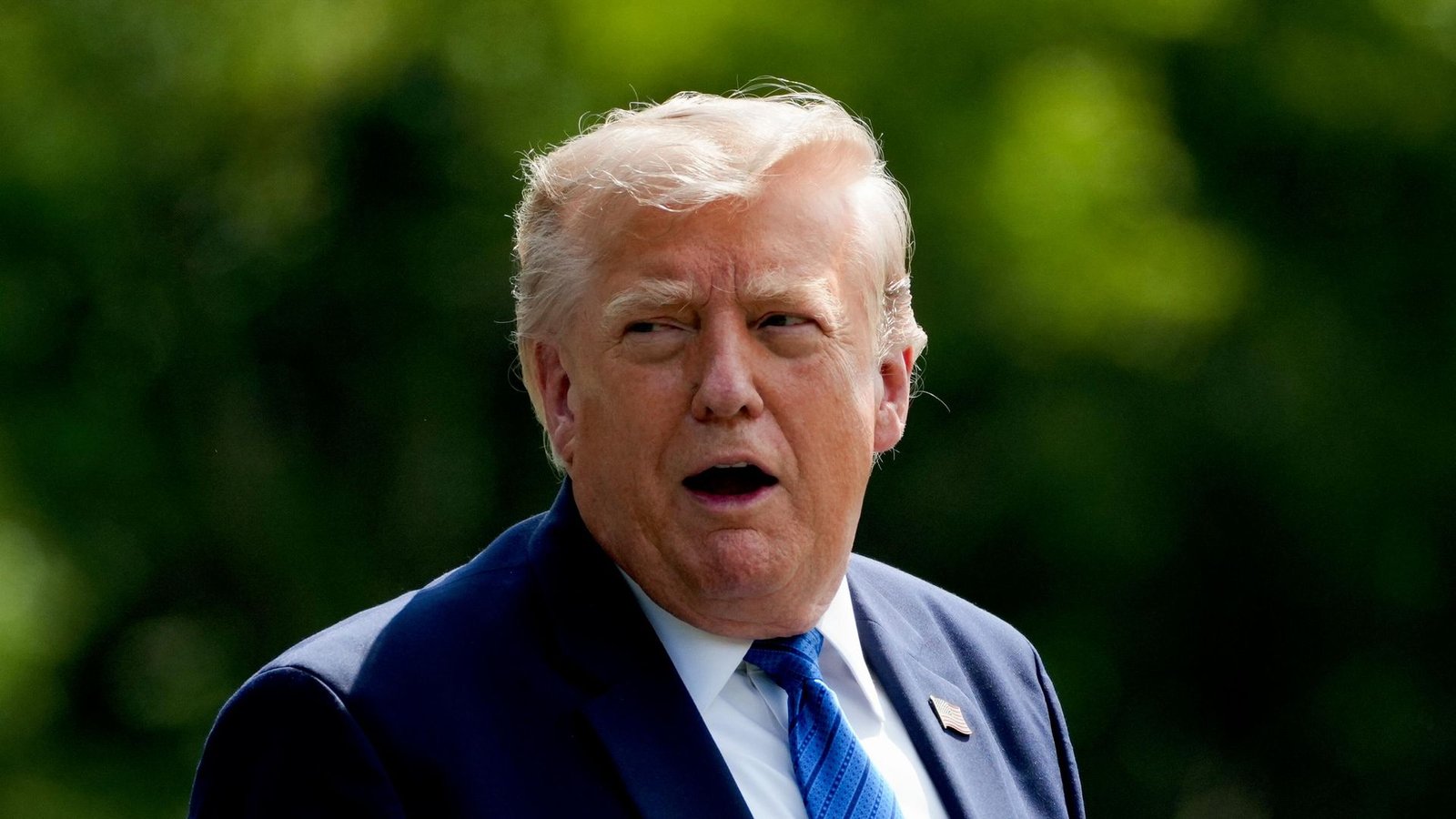

WASHINGTON – The same Sunday night produced two incompatible accounts of what happened. Donald Trump announced on Truth Social that he had agreed to cancel a major planned strike on Iran, citing a request from Tehran and neighboring governments after what he called the parameters of a deal had been reached. Iran’s acting Defense Minister, Majid Ebn-e-Reza, described Trump’s announcement as operating “within the context of psychological operations and a war of calculations.” The Strait of Hormuz remains closed. The ships remain stranded.
The narrower question, whether any actual framework was agreed, has a clear answer from Tehran. TASS reported, citing Iran’s Fars news agency, that “there is no agreement on resuming shipping through the Strait of Hormuz and the reports spread on this score are false.” That is not a qualification or a counter-proposal. It is a denial of the premise.
Trump’s announcement offered specific terms he said would constitute the deal: the immediate, complete, and total opening of the Strait of Hormuz and an end to Iran’s nuclear program. He characterized the offer as a concession in Iran’s favor, adding that success would benefit “the survival of a successful and prosperous Iran.” Should talks fail, he added, the United States could act at “levels of Military Terror, Strength, and Power not seen since World War II.” A social media post with two conditions and a threat is not a signed agreement.
The strait has been closed to commercial shipping since July 12, when Tehran shut the passage for the second time this year, citing what it called ongoing violations of the June 18 ceasefire memorandum by U.S. and Israeli forces. The United States reinstated its naval blockade the following day. CENTCOM confirmed Sunday that 35 vessels had been redirected, two disabled, and two boarded since the blockade was reimposed, the most specific accounting yet of what three weeks of closure has cost commercial shipping.
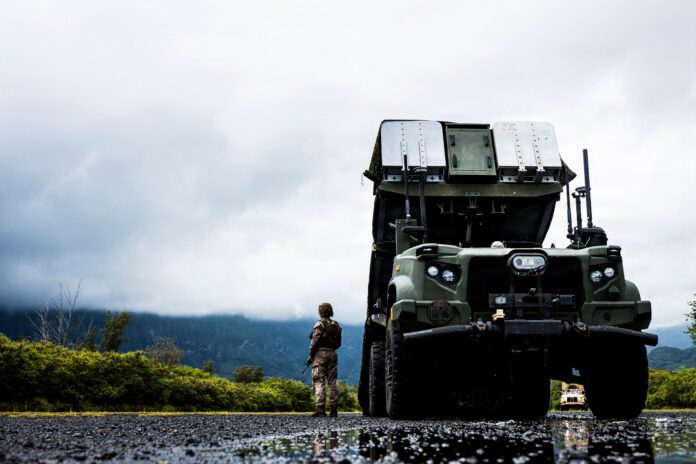
What Sunday’s announcement did not address was a practical consideration that U.S. military planners had been raising for weeks. The Patriot interceptor stockpile, which stood at approximately 2,300 units at the outset of the campaign, had fallen to fewer than 827, according to Al Jazeera. General Dan Caine had raised the supply constraint internally as a concern about the pace of the air campaign. Whether that constraint shaped the timing of Sunday’s announcement is not publicly confirmed; Tehran’s framing of “calculations” was precise enough to carry the implication without stating it.
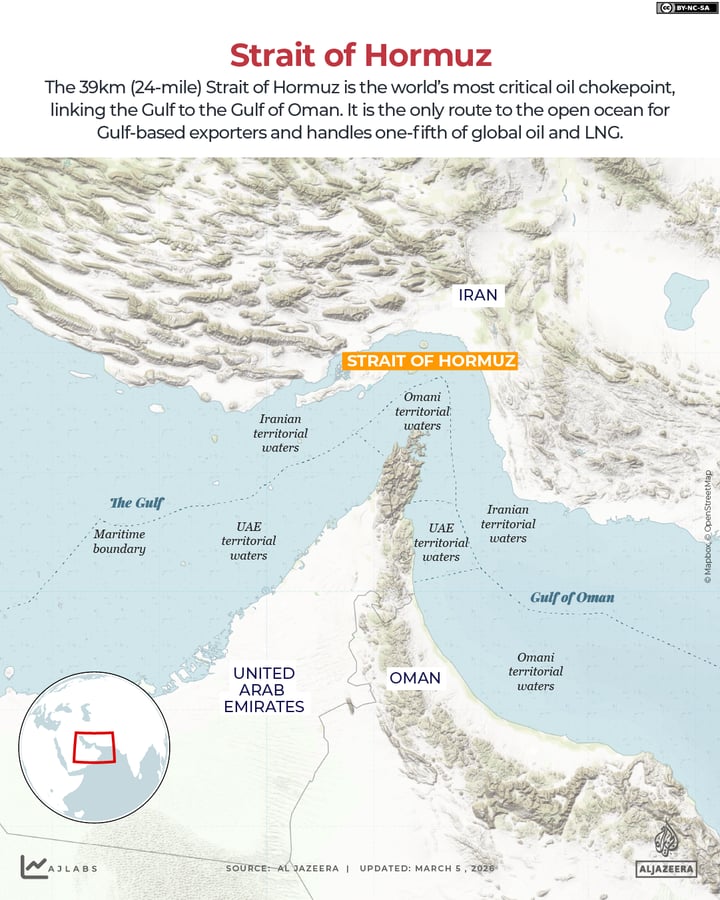
The ceasefire that produced the June 18 memorandum of understanding collapsed within a month over a dispute that was never resolved. The United States interpreted the MoU as granting commercial passage through the southern corridor near Oman. Iran maintained its armed forces retained control over transit arrangements in that zone, which passes through Omani territorial waters. Trump’s July escalation, which included threatening Iranian infrastructure and ordering the naval blockade after Tehran shut the strait, represented the breakdown of that arrangement. Iran is now proposing joint management of the southern corridor with Muscat, a formalization of Iranian involvement in passage decisions rather than a removal of it. That is structurally incompatible with Trump’s demand for an immediate and total opening.
Four governments have been active as intermediaries for weeks: Pakistan, Qatar, Oman, and Turkey. Pakistani and Qatari mediators described themselves as cautiously optimistic after Sunday’s announcement, with positive developments expected by week’s end. But the identity of whoever delivered Iran’s supposed request to halt the strike is not publicly confirmed, and Tehran denies that the request was made. Ross Harrison, an analyst tracking the conflict, said the structural problem was straightforward: unless there is clear agreement on opening the strait, the pause will not hold.
The Islamic Revolutionary Guard Corps has publicly warned of retaliatory strikes targeting Gulf infrastructure, including power plants and petrochemical facilities, in the event military action resumes. Saudi Arabia’s Crown Prince Mohammed bin Salman reportedly urged de-escalation before Sunday’s announcement, concerned about the potential scale of damage to energy infrastructure across the region. Those concerns shaped diplomatic pressure on Washington. What they did not produce was an Iranian agreement on paper.
The Strait of Hormuz carries roughly a fifth of the world’s crude oil. Its second closure this year has driven war-risk insurance premiums on Gulf routes to levels not seen since the height of the Houthi campaign against Red Sea shipping. Every additional week it stays shut tightens energy markets and compresses the maneuvering room for the governments in Islamabad, Doha, Muscat, and Ankara trying to broker something that does not yet exist in writing. Trump said Sunday that the United States remains “locked and loaded.” Iran’s armed forces are “on high alert and ready for any eventuality,” Ebn-e-Reza said. The strait is still closed, and nothing signed Sunday night changed that.