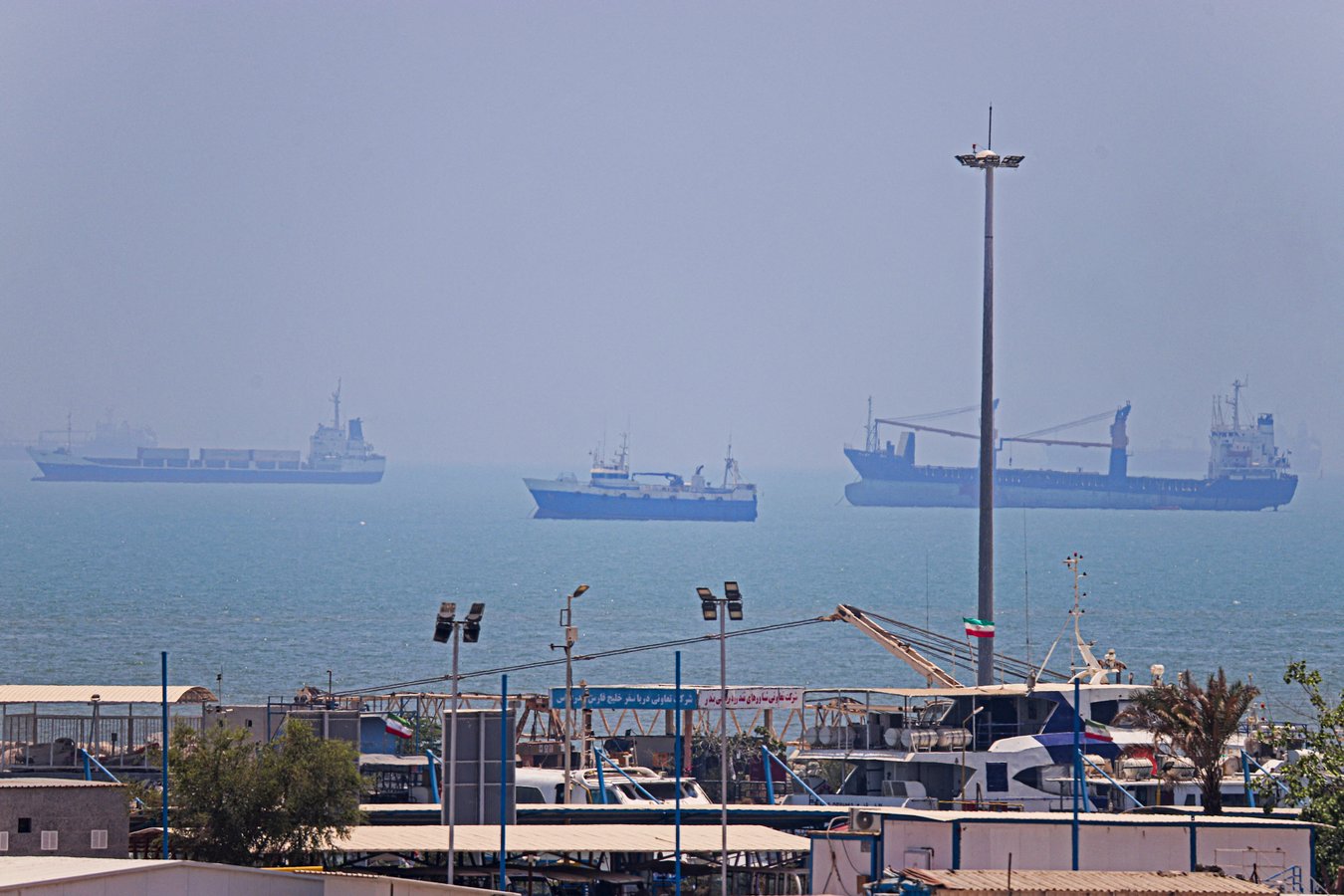

WASHINGTON — The weight of the naval blockade fell hardest on the ships that never chose a side. Since the United States reimposed a maritime cordon around Iran in July, 35 vessels have been redirected from their original routes, two have been disabled, and two others have been boarded, U.S. Central Command announced on Sunday. The figures mark the most detailed accounting yet of an operation that has reshaped commercial shipping in one of the world’s most congested waterways.
CENTCOM’s Sunday statement gave no timeline for when the redirections occurred, but the blockade itself has been in effect since July 13, when President Donald Trump ordered its reinstatement after Iran closed the Strait of Hormuz the day prior. The strait, through which roughly a fifth of global oil passes, had been formally reopened to commercial transit following the June 18 ceasefire memorandum that temporarily halted the Iran-Israel conflict. Its closure lasted less than a month before Iran announced it was shutting the passage again, citing what Tehran called continued violations of the ceasefire’s terms by U.S. and Israeli forces.
The timeline matters for understanding the scale of the disruption. The U.S. resumed airstrikes against Iranian targets on July 8, roughly three weeks after the memorandum was signed. Iran’s Strait closure followed four days later. Trump’s blockade order came within 24 hours of that. What the CENTCOM statement released Sunday confirms is that in the roughly three weeks since the blockade was reinstated, the volume of affected shipping has reached 35 vessels — a figure that represents a meaningful fraction of the tanker and dry-cargo traffic that would ordinarily pass through the region in that period.
The two vessels described as “disabled” and the two that were “boarded” represent a distinct category of encounter from the redirections. CENTCOM did not specify the flag states of the ships involved, the nature of the cargo they were carrying, or the method by which the disabling was carried out. It is not yet clear whether any of the incidents involved military action against the vessels or technical interference of another kind. The Pentagon did not respond to questions by publication time.
What is clear from CENTCOM’s language is that the blockade is operating as something more than a deterrent. Redirecting 35 ships means physically altering those vessels’ routes — compelling their captains or operators to abandon port calls, reroute cargo, or return cargo to origin. For oil tankers, a diversion of that kind translates directly into insurance cost increases, demurrage charges, and in some cases contract penalties. Shipping brokers monitoring the Persian Gulf have noted a sharp increase in war-risk premiums since the strait’s second closure, with rates on some routes climbing to levels not seen since the height of the Houthi campaign against Red Sea traffic in 2024.

Iran’s Foreign Ministry said last week that it regarded the blockade as a violation of international maritime law and had lodged formal complaints with the United Nations. Tehran has not specified which legal instruments it is invoking, though Iranian officials have pointed to the 1982 United Nations Convention on the Law of the Sea as establishing that no state may close an international strait to commercial shipping in peacetime. The United States has not formally responded to those complaints at the UN level, though American officials have argued the blockade is a lawful exercise of belligerent rights under the laws of armed conflict.
The legal argument cuts in multiple directions. Whether the United States and Iran remain in a state of armed conflict — or whether the June 18 memorandum constituted something that suspended those rights — is itself contested. Iran says the memorandum was a binding agreement; U.S. officials have described it as a temporary operational pause with specific conditions attached.
For the shipping companies absorbing the practical consequences, the legal question is largely academic. Two major tanker operators confirmed last week that their vessels had received CENTCOM advisories instructing them to alter course. Neither company would name the ships or specify the cargo involved, citing security concerns. A maritime insurance analyst at a London-based brokerage said the scale of 35 redirections in under a month suggested the operation was being applied broadly rather than targeted at specific flagged vessels.
What happens next depends heavily on developments that neither side appears positioned to move quickly on. Iran has made resumption of commercial access to the strait contingent on a formal end to U.S. and Israeli military operations against Iranian territory. The United States has said airstrikes will continue as long as Iran maintains what Washington calls an active nuclear weapons program. Neither condition is close to being resolved.
CENTCOM’s announcement on Sunday did not include any projected timeline for the blockade’s duration, and the figures — 35 redirected, 2 disabled, 2 boarded — are almost certainly incomplete. The count covers only encounters that CENTCOM has chosen to make public.