
ADEN – Yemen’s government has been asking Washington for something specific: American strikes on the Houthi positions that are now rolling up its army. The requests, according to The Washington Post, have gone unanswered.
Sources inside Yemen’s internationally recognized government told the paper that the United States has confined its involvement to sharing targeting intelligence and logistics with Saudi forces through Marines stationed in the kingdom, stopping well short of direct military support. What frustrates officials in Aden is not that Washington said no. It is that Washington has not said much of anything, leaving requests sitting alongside an earlier round of aborted airstrikes that a US president loaded, then called off.
The money tells its own version of the story. Under the Biden administration, Yemen received $763 million in American assistance in 2024. Last year, under Trump, that figure was $53,000. The administration also eliminated the special envoy position for Yemen entirely and has left the ambassador’s post unfilled, a pattern experts interviewed by the Post read as Washington quietly trying to hand the entire problem to Riyadh.
Saudi Arabia, for its part, has not been able to absorb the load. Houthi forces, formally Ansar Allah, have pushed through government-aligned positions along the Red Sea coast and near the Bab al-Mandab Strait in recent weeks, seizing territory faster than Saudi-backed units can respond. A $24.3 billion US fighter jet sale to Riyadh has done nothing to blunt that advance, because the fight on the ground is not being decided by aircraft Saudi Arabia does not yet have. Washington’s targeting help flows to a kingdom that keeps losing territory anyway.
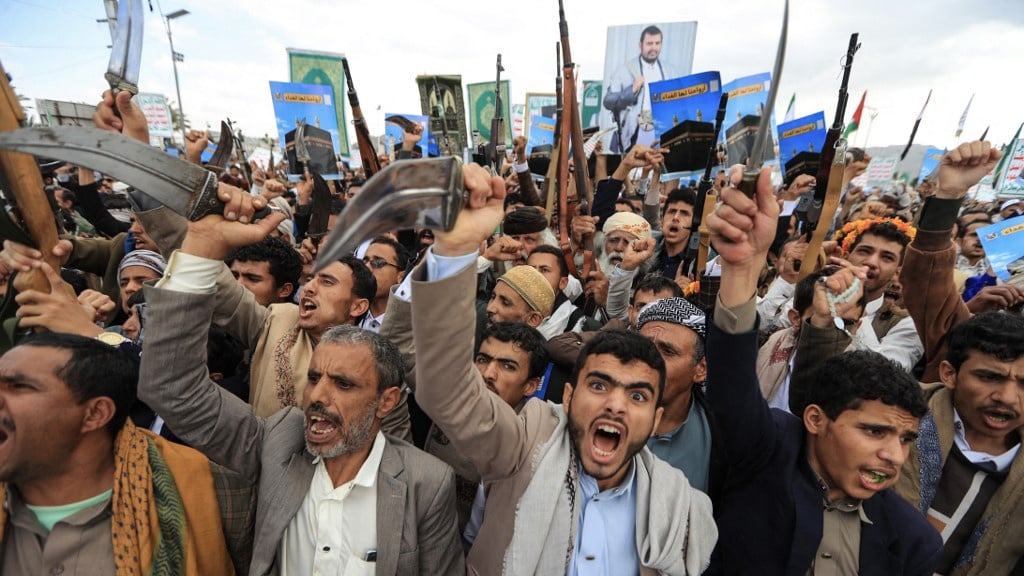
The current phase of the war traces to mid-July, when forces loyal to the government struck Sanaa’s airport as a plane carrying Houthi leaders arrived from Iran. The movement blamed Saudi Arabia directly and declared war on the kingdom until it lifts the blockade on Houthi-held territory, a threat that has since produced strikes reaching as far as Riyadh’s own airport and a fuel depot near it. Trump has twice rebuffed Saudi Crown Prince Mohammed bin Salman‘s requests for direct American strikes since then, even as he has separately held his own back-channel talks with Houthi representatives in Oman.
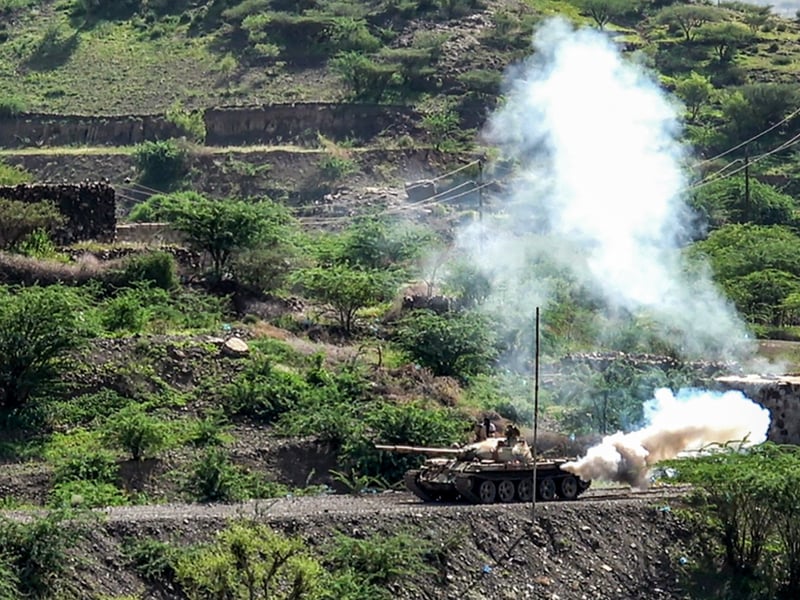
What the Post’s sourcing does not settle is why Trump has held back specifically on direct strikes rather than the broader intelligence support he has authorized. Officials quoted framed it as an attempt to offload the crisis onto Saudi Arabia, but none offered an account of what would change that calculation, whether a Houthi move on Aden itself, a direct attack on American assets, or something else. For now, Yemen’s government is left making the same request into the same silence, while the front line keeps moving in the Houthis’ favor.