
MUSCAT — Saudi Arabia’s oil exports through the Red Sea have effectively stopped.
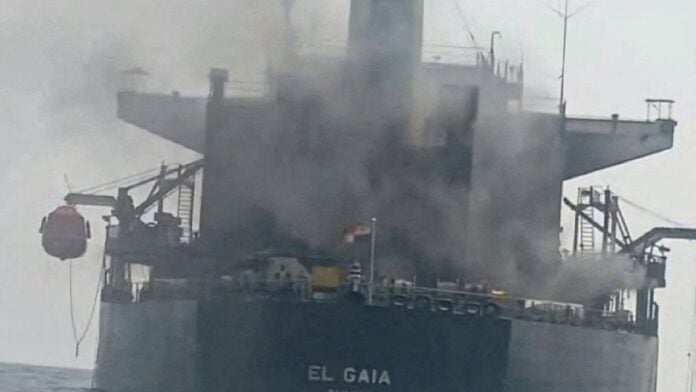
In August, the kingdom was shipping 3.5 million barrels a day from its Red Sea ports. By mid-September, that figure had fallen to 120,000. The difference is not the result of a diplomatic decision or a formal blockade designation. It reflects ten days in which Yemen’s Houthi movement seized more territory along Yemen’s western coast than it had acquired in the previous decade of war, and in doing so gained physical control of the passage through which Saudi Arabia’s oil supply chain runs.
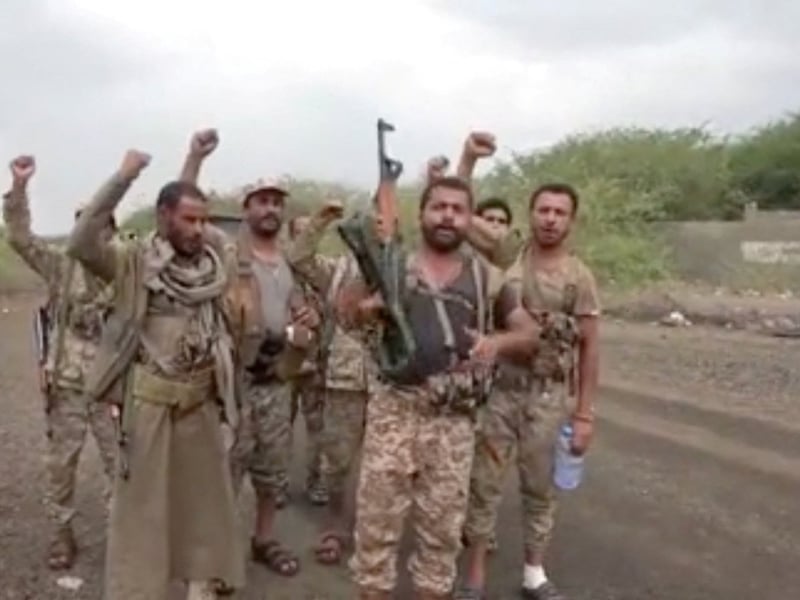
On September 10, Houthi forces took Mocha, a port city 75 kilometres north of the Bab al-Mandab strait, in under 24 hours. They moved to Dhubab district the same night. By September 12, they held Perim Island, the narrow formation that divides the strait into two navigable channels, the western lane 3.5 kilometres wide and the eastern lane barely two kilometres across. Any vessel transiting Bab al-Mandab now passes within range of weapons on positions the Houthis control. The group has made that leverage explicit: Saudi-linked shipping is banned. Commercial vessels may pass. American warships are not targets, the Houthis told US officials at the American embassy in Muscat last weekend.
Oil crossed $100 a barrel this week.
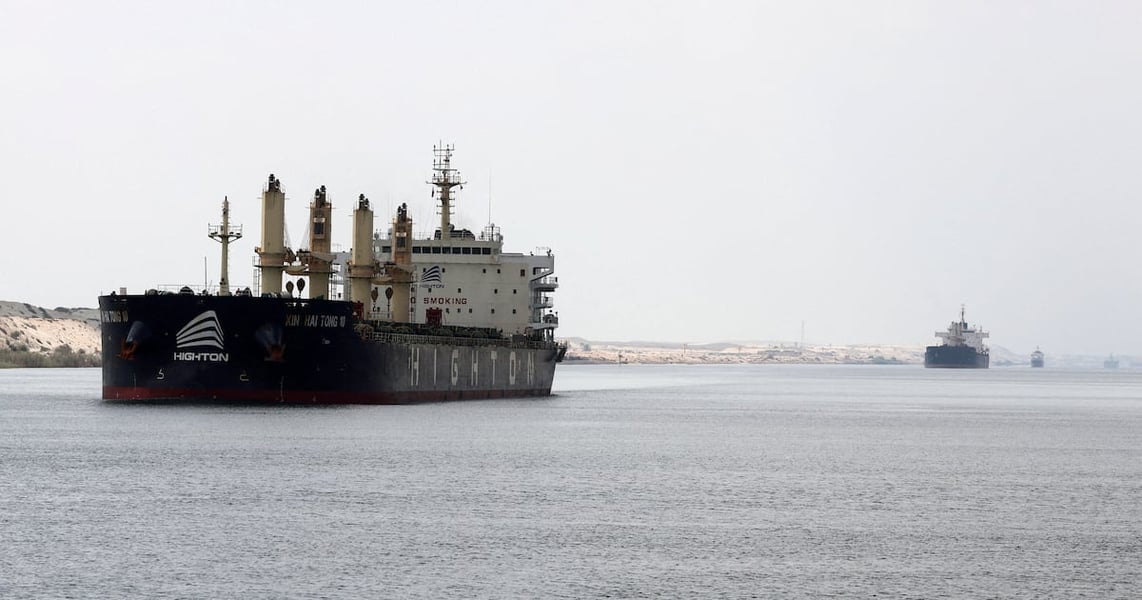
The geography explains the market reaction. Bab al-Mandab is one of nine maritime chokepoints governing the routing of most global seaborne trade. The Red Sea route it guards connects the Indian Ocean to the Suez Canal, shortening the sea distance between Asia and Europe by roughly 40 percent. Vessels that cannot transit must route around the Cape of Good Hope, adding 10 to 14 days and roughly 3,500 nautical miles to each voyage. Since September 13, major shipping lines have suspended Red Sea transits for vessels associated with Saudi Arabian cargo. Insurance coverage on Red Sea routes for Saudi-flagged or Saudi-chartered vessels has been suspended by multiple underwriters, according to Al Jazeera.
The Houthis have been deliberate about how they describe what they have built. Yahya Saree, the group’s military spokesman, stated that restrictions apply specifically to Saudi vessels and Saudi Aramco cargo. The framing serves a political purpose: it imposes severe economic costs on Riyadh while preserving conditions under which the United States finds it difficult to justify military action on Saudi Arabia’s behalf. Donald Trump twice declined Saudi Crown Prince Mohammed bin Salman’s requests for direct US strikes on Houthi launch sites, telling Riyadh that Washington expected the kingdom to take the lead. Trump described the Houthis on September 12 as “not wanting to fight us,” as NPR reported.
What the Houthis want from this leverage is grounded in a stated cause their leadership has not moved from: a permanent ceasefire in what the movement describes as the genocide in Gaza, and formal recognition of Houthi governance over the territory they have administered for a decade. Throughout the broader Iran war, the movement has framed its Red Sea operations as a frontline against Israeli and American support for the killing in Gaza, a position that has generated popular legitimacy across much of the Arab world that military operations alone would not have secured. Houthi officials have conditioned any settlement discussion on Gaza. Neither Israel nor the United States has signalled willingness to meet that condition.
Saudi Arabia’s response has moved on multiple tracks. Riyadh is rerouting production toward Gulf export paths through the Strait of Hormuz, a second chokepoint that Iran has threatened to restrict if the US-Iran war escalates, compounding the Red Sea exposure rather than resolving it. The kingdom is also pursuing military assistance under the Mecca Joint Defence Agreement signed with Turkey and Pakistan in August, with Ankara offering air-defence platforms and drone systems following a Houthi ballistic missile strike on Riyadh’s main international airport. And it is waiting on the framework Trump will present to Gulf leaders at the United Nations General Assembly this week.
The Houthi position is, for now, militarily uncontested. Perim Island, Dhubab, the Hanish Islands, and the full extent of Yemen’s Red Sea coastline represent territorial gains that no regional force currently has the means or the mandate to reverse. Saudi ground forces have not advanced into Yemen. The Mecca Pact has not yet been activated with material effect. No outside military has deployed to contest Houthi positions at the strait.
That gap between the leverage the Houthis now hold and the available responses to it is what has pushed oil above $100 a barrel and left the world’s most important energy corridor under the control of a movement that, six weeks ago, held none of the territory through which it now governs passage. Whether Riyadh, Ankara, and Islamabad can construct a response capable of reversing that outcome, and how long the global economy absorbs the cost in the meantime, remains the question the markets are pricing without a clear answer yet.