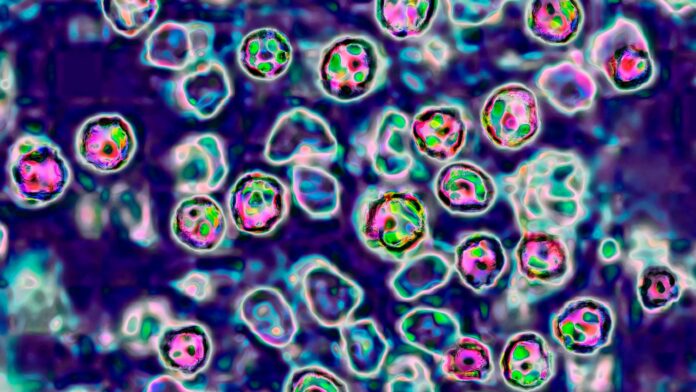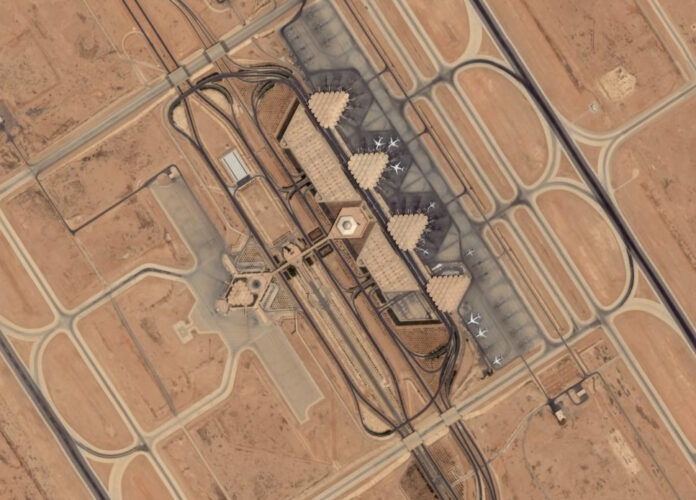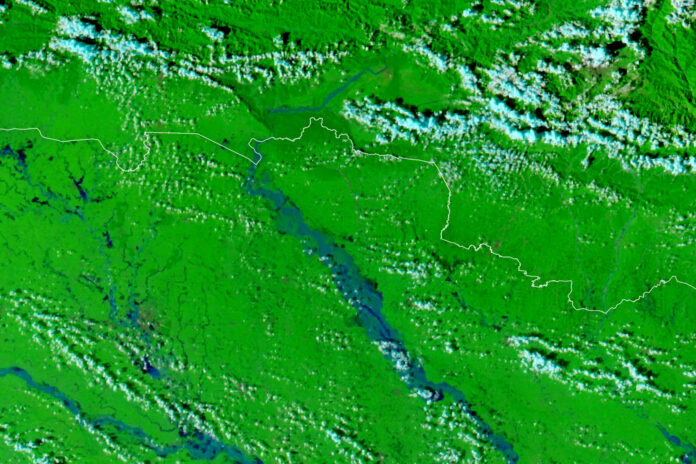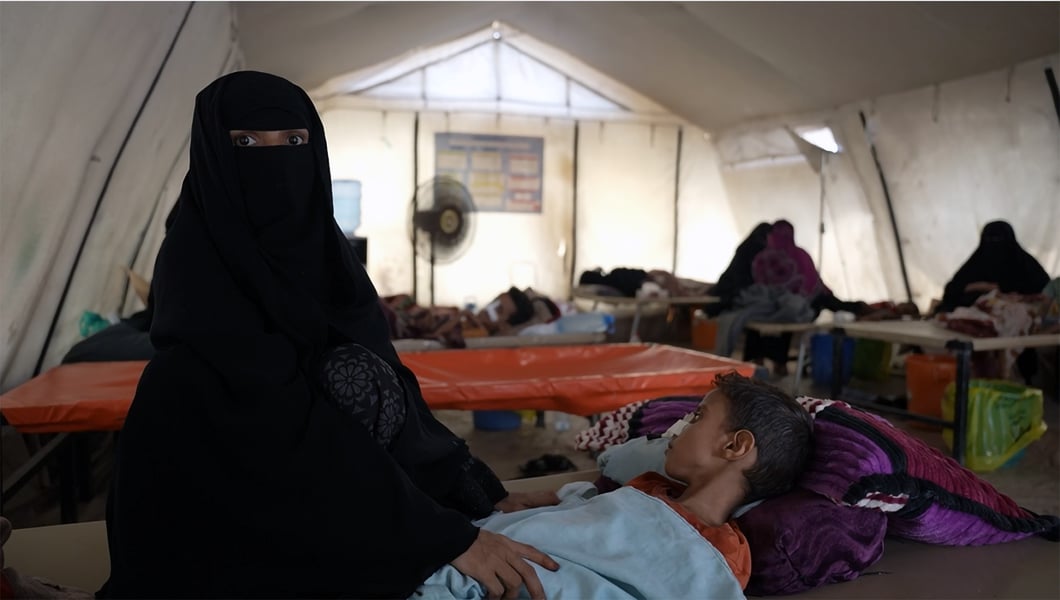

ADEN, Yemen — At the diarrhoea treatment centre in Aden’s AlSadaqah Hospital, a mother sits beside her child’s bed. The centre is supported by the World Health Organization and the Saudi aid agency KSrelief, and suspected cholera cases in Yemen have tripled in three weeks.
Suspected cholera cases rose from 217 in the week of Sept. 6 to 12 to 647 in the week of Sept. 27 to Oct. 3, the WHO said on Tuesday. Yemen has reported 8,034 suspected cases and 27 deaths this year, and a quarter of those cases came in the last four weeks.
The driver is displacement, and the need is money. Fighting that escalated on Aug. 6 has displaced more than 200,000 people across 10 governorates, many into camps with little safe water. Five south-western governorates, Abyan, Lahj, Al-Dhale’e, Taiz and Aden, account for 92 percent of cases, and the disease has reached remote camps in Hadramout that health teams struggle to reach. Of the $31 million WHO says it needs for a 90-day emergency response, $3.78 million has been secured. Together with $490,000 released from its contingency fund, that leaves a gap of $26.7 million, according to WHO’s release.
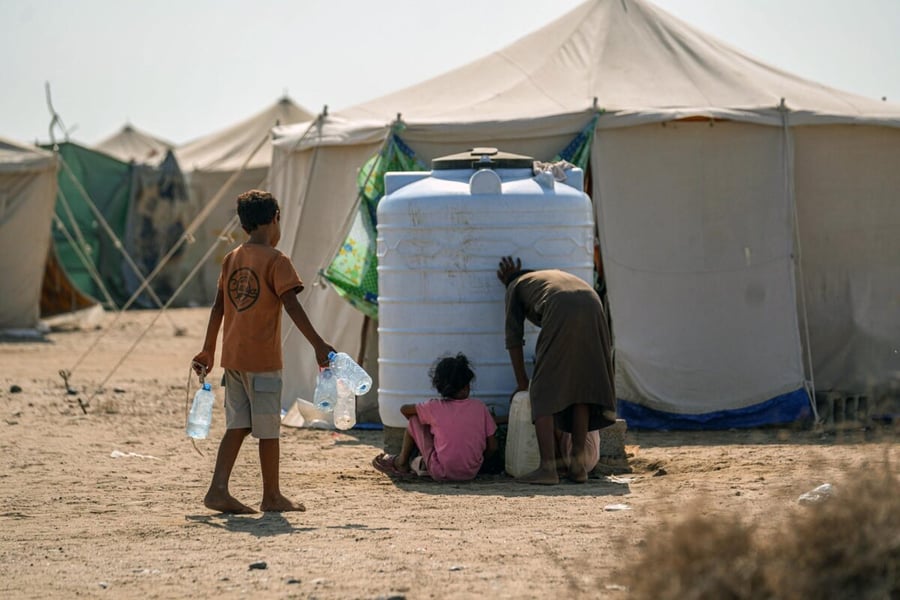
“Families fleeing conflict are now facing another threat from diseases that can be prevented and treated,” said Dr. Annette Heinzelmann, the WHO’s regional emergency director. “Without urgent funding and unimpeded access to safe water, vaccination and essential health services, outbreaks could spread rapidly among already vulnerable communities.” Cholera is not the only one. Yemen has recorded more than 22,800 suspected measles cases and 128 deaths this year, with vaccination coverage estimated at 45 percent for each of the two recommended doses. About 500 health facilities across nine affected governorates have no partner support, WHO said.
The outbreak is arriving as supply routes tighten. The UN said Taiz, Yemen’s third largest city, faces a “devastating” humanitarian situation after the Houthis, who have besieged it since 2015, took control of the last main road out of the city earlier this month, UN News reported. Wheat and flour could run out in less than three weeks, food prices have risen about 50 percent and petrol prices have tripled, according to the UN. Its spokesperson, Stéphane Dujarric, urged the parties to uphold international humanitarian law and avoid attacks on civilians. The offensive sits alongside Houthi claims of strikes on Saudi targets, and the funding shortfall follows a steep fall in US aid to Yemen, both reported by EH.
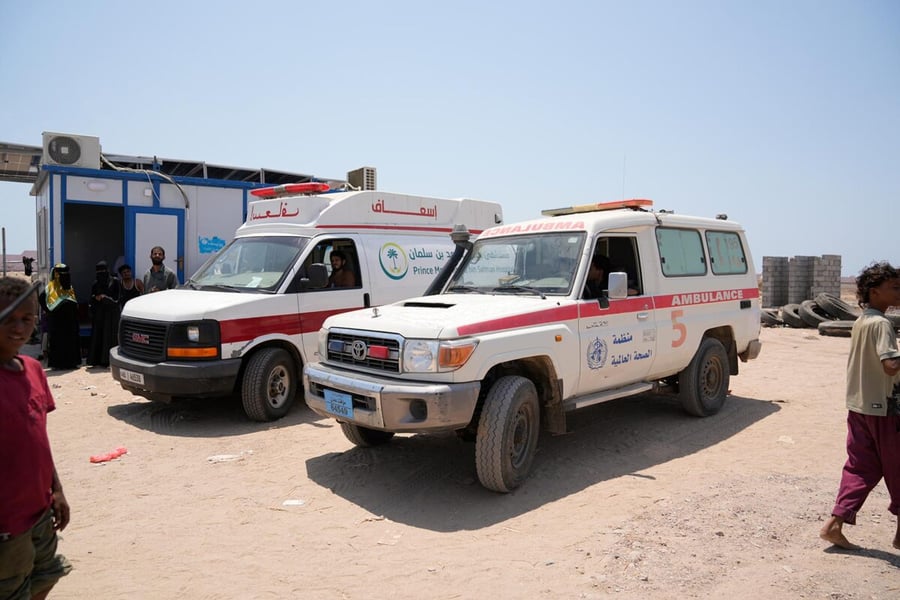
The crisis has crossed the Red Sea. More than 3,800 people fleeing the violence had reached Djibouti as of Oct. 2, WHO said, and health authorities in Obock reported 44 cases of acute watery diarrhoea and one death by Oct. 8. The Markazi refugee camp has one health centre. WHO has received $150,000 of the $700,000 it needs for Djibouti.
Yemeni authorities counted 959 deaths and 4,207 injuries from the fighting across 10 governorates as of Oct. 2, UN News said, and WHO says the rising disease burden is adding pressure to facilities already treating thousands of people hurt in the fighting.
UN News put the money received at $4.3 million, which appears to be the $3.78 million plus the contingency release, or less than 14 percent of the total. The coverage reviewed does not say where the remaining 86 percent will come from.