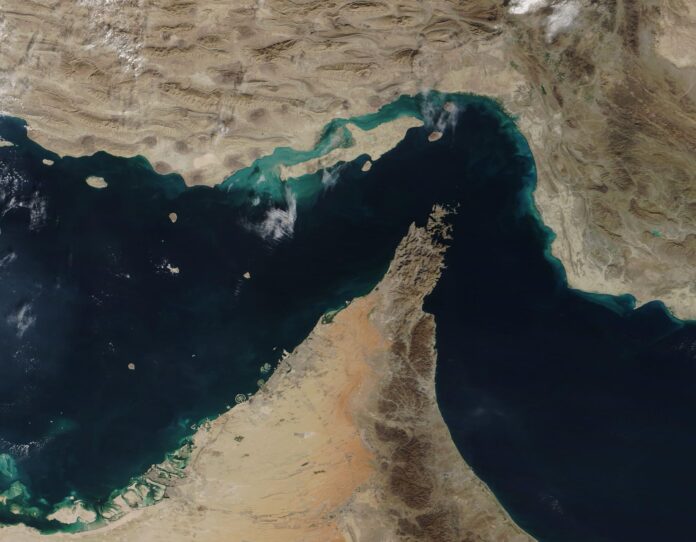

NEW YORK — The war is entering its seventh month. The ceasefire talks are stalled. And both sides are sending delegations to the same building in New York this week.
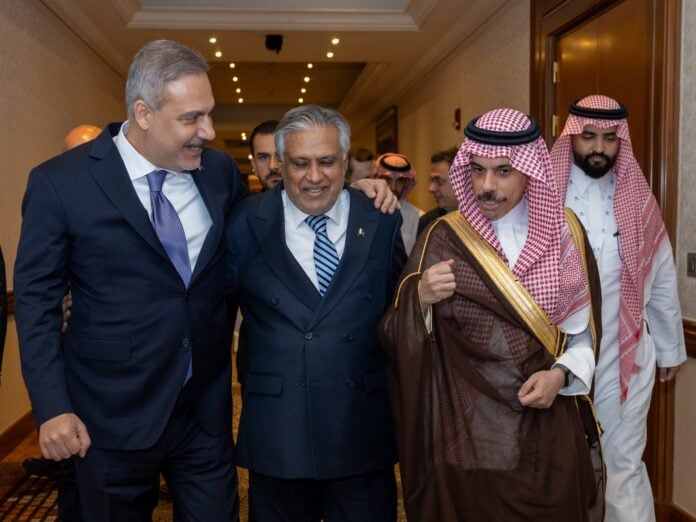
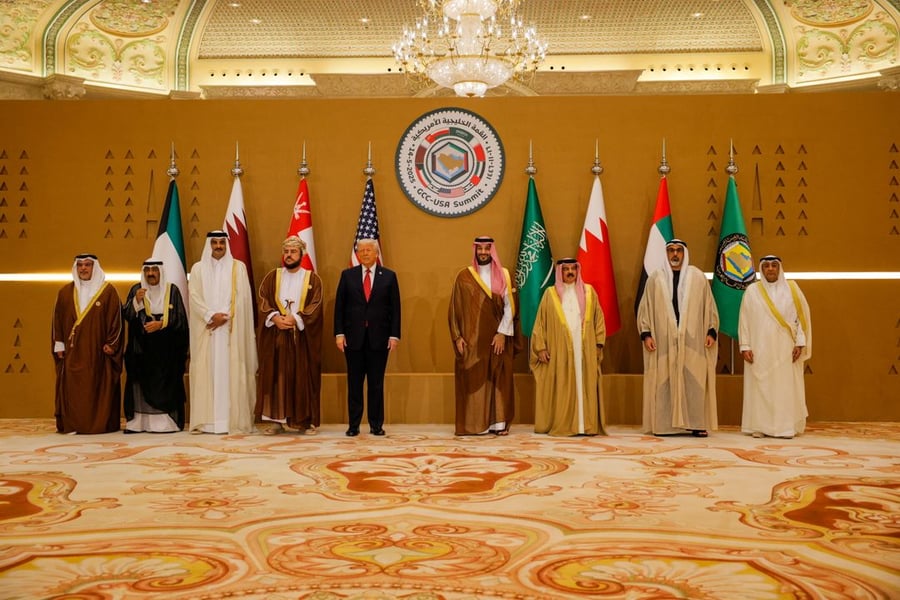
On one floor, President Donald Trump plans to sit across from the six leaders of the Gulf Cooperation Council on Tuesday. On another, Iran’s President Masoud Pezeshkian is scheduled to address the General Assembly four days later. Each delegation is arriving with a document the other does not want to accept.
The collision at the United Nations General Assembly lays bare an endgame problem that neither side has solved: Washington wants a postwar architecture that Arab governments may be unwilling to enter, and Tehran has set terms that Washington may be unable to meet. The September 22 summit between Trump and the GCC is not a celebration. It is a test of whether the United States can sell a blueprint it has not yet finished writing.
The Trump administration has been drafting what senior officials describe as a “day-after” plan for Iran — a regional framework to contain Tehran and expand normalization between Israel and its neighbors once the shooting stops. Elements under discussion include a U.S.-guaranteed security alignment against Iran, a Gaza-related arrangement, potential agreements on Israel’s diplomatic status in Syria and Lebanon, and an expansion of the Abraham Accords that would, if completed, culminate in Saudi-Israeli normalization.
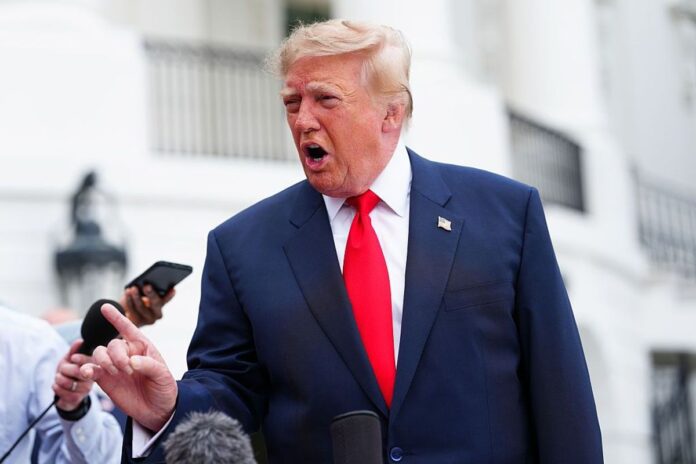
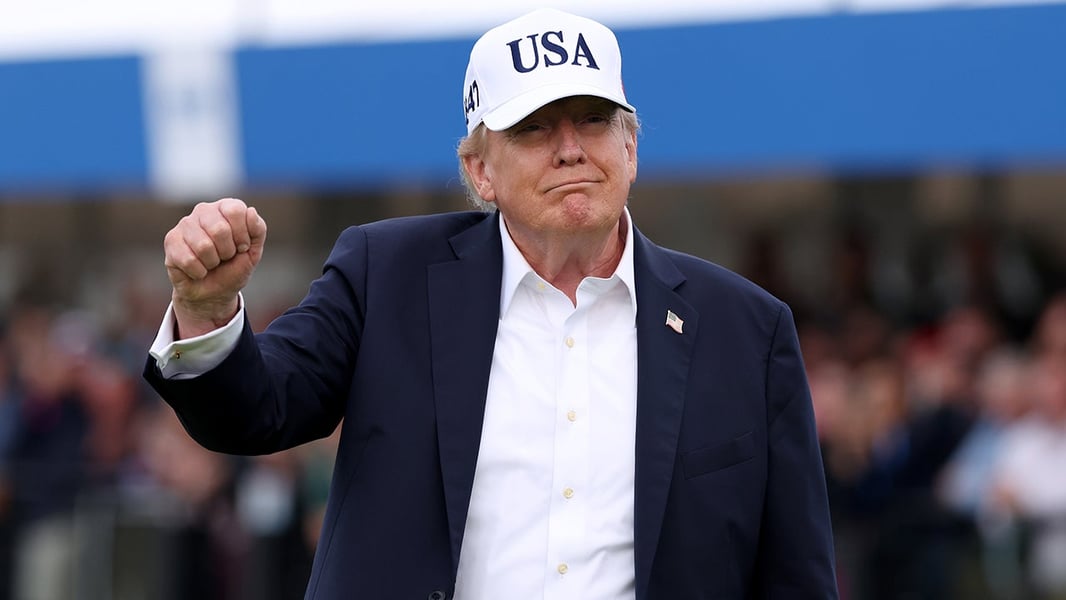
That is an ambitious agenda for a war that Washington initially presented as a mission to neutralize Iranian nuclear ambitions but has since struggled to define beyond that. Trump, speaking to reporters on September 17, said the United States was “hopefully toward the end” of the conflict and claimed he had heard from Tehran “directly,” according to Al Jazeera — a remark Tehran has neither confirmed nor denied. A White House spokesperson declined to clarify the channel.
The timing of that transmission was not incidental. Iran sent its conditions before the September 22 GCC meeting, a sequence that looked less like coincidence and more like a signal from Tehran that the terms of any settlement belong to Iran as much as to Washington.
The GCC itself is not a unified bloc on how to end this war. An initiative that could have changed that calculus collapsed in Oman last week: a gathering in Salalah that would have been the first ministerial contact between Gulf states and Iran since the conflict began fell apart after Bahrain refused to attend, forcing Oman to postpone a summit that had been technically ready to proceed. The episode illustrated the difficulty Trump faces — not only in selling his postwar vision to Iran, but in presenting the Gulf states to Washington as a cohesive negotiating partner in the first place.
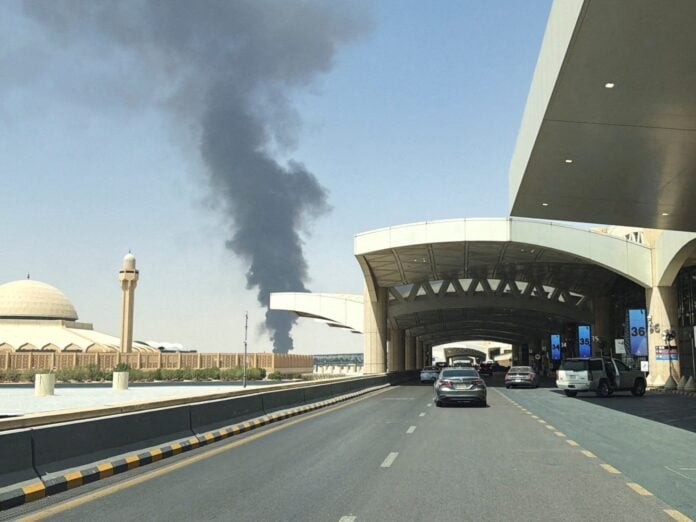
The physical war has not paused to accommodate any of this. A Houthi missile struck Saudi Arabia’s King Khalid International Airport in Riyadh on Saturday, setting an Aramco fuel depot alight in the latest escalation of the campaign that has prevented Saudi crude from leaving any Red Sea port since September 13. Oil near $110 a barrel has become the background arithmetic of these negotiations. Every week the war continues, the cost of continuing rises for everyone in the room — including the Gulf states whose energy revenues are constrained by the Houthi stranglehold on their export routes.
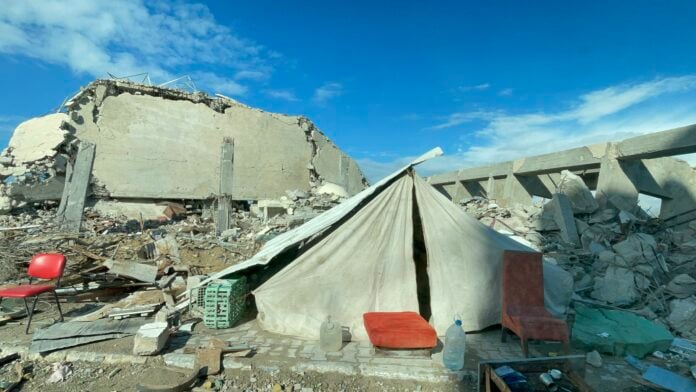
Against that backdrop, the Trump administration’s postwar framework carries what may be its most difficult feature: normalization with Israel. The Abraham Accords expansion that Washington envisions as the capstone of any postwar order would require Arab governments to move toward diplomatic relations with Israel at the same moment the killing in Gaza continues. Whether the GCC leaders seated across from Trump on September 22 will say so publicly, or privately, or not at all, is the open question of the week. TRT World reported that the gathering could expand beyond the six GCC members to include other Arab and Muslim leaders, a detail that broadens the stakes and the audience for whatever Trump proposes.
Iranian President Masoud Pezeshkian is scheduled to address the U.N. General Assembly on September 24, two days after Donald Trump’s Gulf summit. That timing gives Tehran an opportunity to respond from the same podium to whatever emerges from the GCC meeting—and to present Iran’s seven conditions as legitimate settlement terms rather than obstacles to peace.
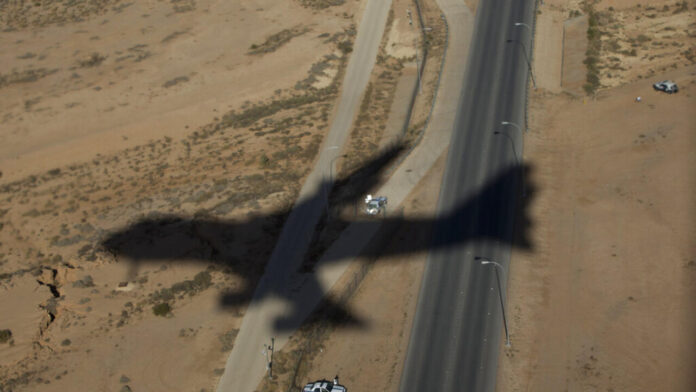
The missile pause, now lasting more than nine days since Iran’s last confirmed ballistic attack on September 8 against Muwaffaq Salti Air Base in Jordan, has been interpreted in Washington as a sign that Tehran may be willing to negotiate. Iran has not publicly described it that way.
The four conditions it continues to withhold may determine whether the current quiet lasts.
Trump’s message to GCC leaders on Tuesday is not yet known. Neither is Iran’s address on September 24. But Tehran’s remaining four conditions may determine whether the former has any bearing on the latter.