
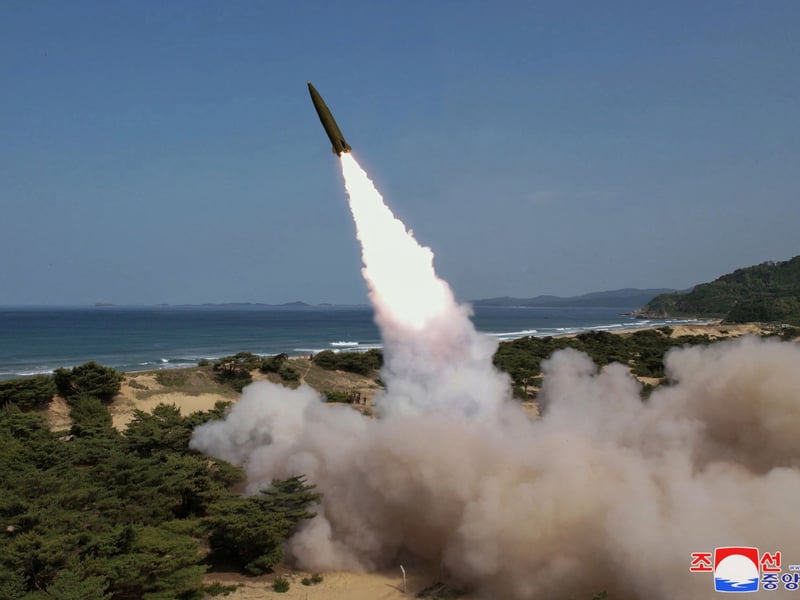
SEOUL — South Korea’s military read it as an answer. Four days after President Lee Jae Myung watched the country’s first home-built hypersonic weapon hit its target, North Korea fired multiple ballistic missiles from the Pyongyang area at about 9:20 a.m. on Monday, and the Joint Chiefs of Staff called it a show of force. Pyongyang, when it spoke a day later, called it routine.
Jang Do-young, spokesperson for the Joint Chiefs, said the launch appeared to be a “show of force” in response to the hypersonic test, Al Jazeera reported. The missiles fell into the sea off North Korea’s east coast, and some flew more than 900 kilometres.
The two accounts do not fit together. The standard line from Seoul and Washington treats North Korean launches as provocations, yet here South Korea’s own military described a reaction to a South Korean programme, one that Lee stood beside last Thursday and which officials say could eventually let Seoul strike key targets by surprise. Pyongyang’s account removes Seoul from the story altogether. Neither version has been independently checked.
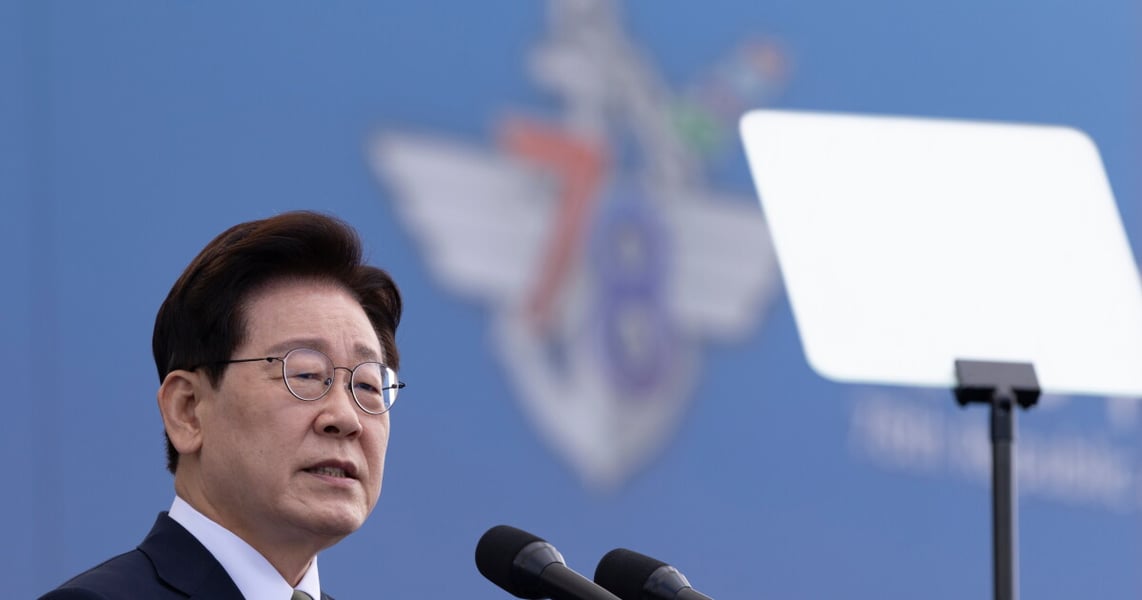
The weapon Lee watched is a hypersonic glide vehicle built to fly at least five times the speed of sound and slip past missile defences, NPR reported. It separated from its booster, manoeuvred vertically and horizontally, and hit a test target. Lee said Seoul “must secure our security through our own strength”, a sentence Pyongyang’s leadership has applied to itself for decades.
Japan supplied the sharpest detail on the flights, Al Jazeera reported. Deputy Defence Minister Takashi Koyari said at least two missiles were fired 17 minutes apart and landed outside Japan’s exclusive economic zone. The first travelled about 220 kilometres. The second flew more than 910 kilometres on what he called an irregular path, and he said it may have been a hypersonic weapon. Pyongyang’s own label, a tactical ballistic missile, is not the hypersonic category Seoul tested, and the Joint Chiefs said Seoul and Washington were still analysing the exact specifications, Euronews reported. Koyari’s hypersonic suggestion is a preliminary read, not a finding.
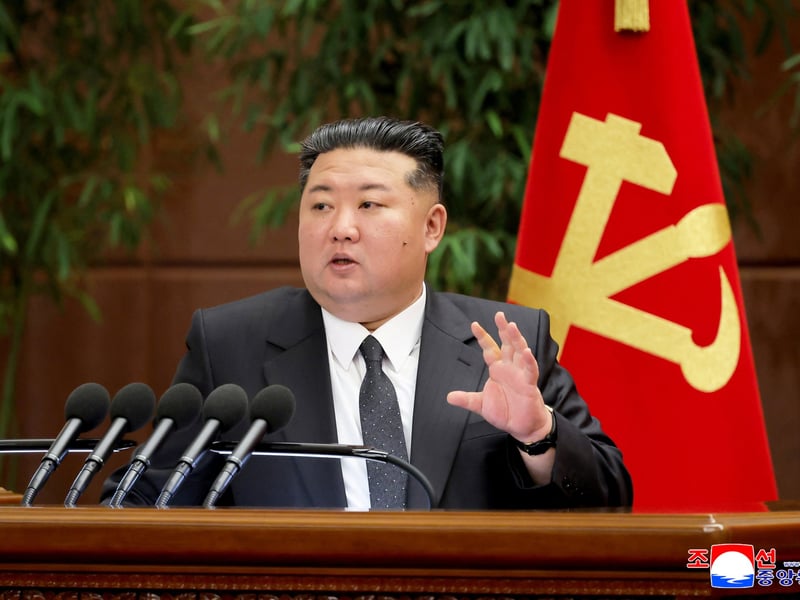
The tempo has been tightening for a month. On October 3, North Korea fired what it called a strategic intermediate-range hypersonic missile and said it hit a target 1,000 kilometres away. Seoul put the flight at over 700 and Tokyo at about 680, NPR reported. Kim Yo Jong, who had called North Korea’s nuclear status “absolute” and brushed aside the IAEA’s disarmament demand as “mere noise”, argued that the gap between those estimates showed South Korea and Japan cannot properly track such weapons, and so cannot intercept them.
The numbers deserve the usual caution. Pyongyang’s 1,000-kilometre claim sits roughly 300 kilometres above Seoul’s estimate, and every figure here comes from a government with a reason to shade it. No independent tracker has published a competing flight profile for either launch.
Diplomacy is stuck where it has been for months. Lee favours engagement and has pledged to reopen dialogue, building on a phased Korean Peninsula peace plan he took to the UN. Kim Jong Un has declined, demanding that the United States abandon its “hostile” policy and drop its denuclearisation demands, and he has rejected Donald Trump’s calls to resume talks. Washington scaled back a major joint exercise with Seoul in August, NPR reported, and the launches kept coming anyway. Euronews noted concern in Seoul that it could be sidelined if Trump pursues nuclear talks with Pyongyang.
The stated grievance has changed. After the September 20 North Korea ballistic missile launches, Pyongyang tied them directly to the Freedom Edge drills. This time it has named no grievance at all, and the only motive on offer is Seoul’s own reading. The explanation shifts, or goes missing. The missiles keep coming.
North Korea is also less alone than it was. Kim pledged “invariable support” to Vladimir Putin in a letter dated September 15, cementing a North Korea-Russia alliance with a permanent member of the UN Security Council, the body whose resolutions Seoul’s presidential office says the launches violate. How much shelter that offers when the council next meets is an open question.