
PYONGYANG – The letter arrived in Moscow not as diplomacy but as declaration. Kim Jong Un, writing to Vladimir Putin in reply to the Russian leader’s congratulations on North Korea’s 78th founding anniversary, named Russia’s military operation in Ukraine something it had never been called in official Pyongyang communication at this level: a “sacred war.” His support for it, he wrote, would not waver.
“Firmly convincing the victory of the Russian Federation in the present sacred war for defending the security interests of the country and international justice, I promise my invariable support to dear friend you and the fraternal Russian people,” Kim wrote, according to North Korea’s state news agency KCNA, which published the letter on Monday.
The language went well beyond the customary exchange of pleasantries between allies. Kim vowed to “expand and deepen” bilateral cooperation “in a comprehensive way,” a phrase Pyongyang has historically deployed when it intends to follow words with action. The letter, dated September 15 in reply to Putin’s message marking North Korea’s September 9 anniversary, is the most explicit statement of Pyongyang’s position on the Ukraine conflict that the North Korean leadership has publicly made.
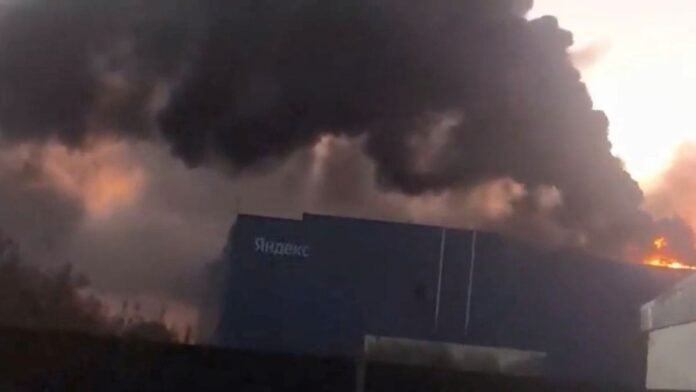
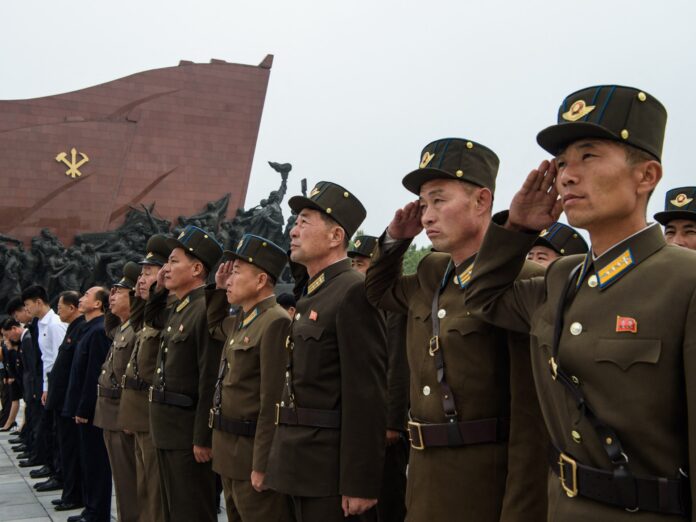
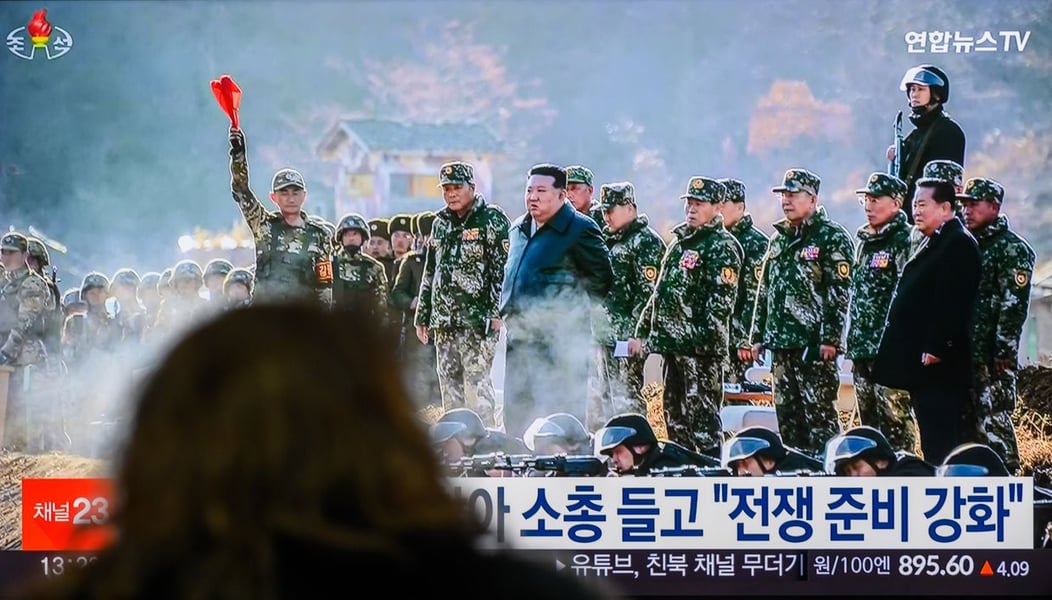
What that deeper cooperation might look like remains undefined. North Korea has already deployed between 15,000 and 20,000 troops to Russia since 2024, with roughly 11,000 stationed in Kursk Oblast, the Russian border region where fighting has continued through a Ukrainian cross-border operation. Casualty estimates from that deployment have reached approximately 2,000 dead, a toll Pyongyang has never officially acknowledged and that Kyiv has publicised at every opportunity.
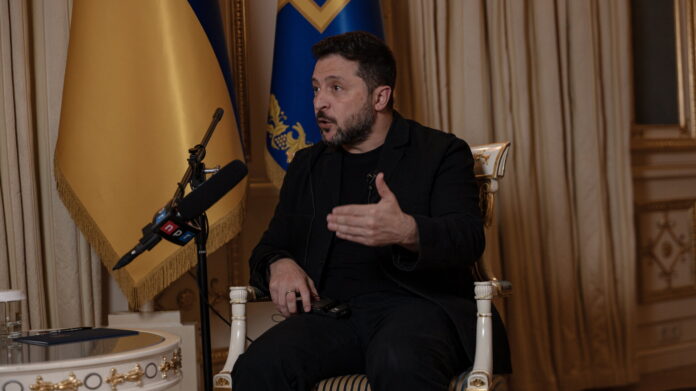
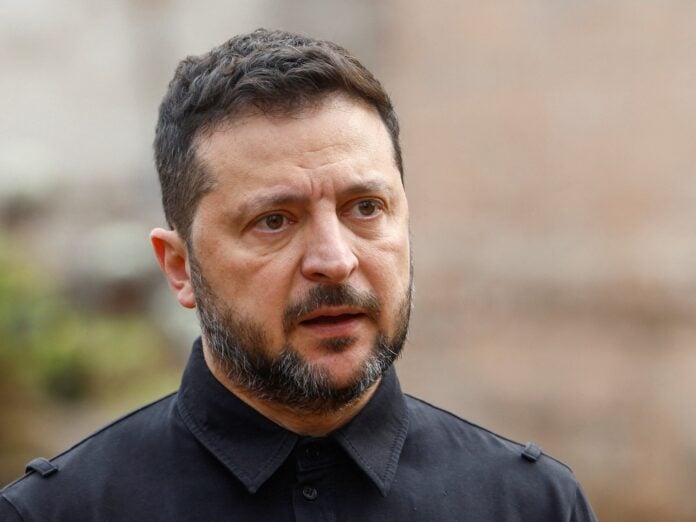
Volodymyr Zelensky has repeatedly warned that North Korea could dispatch far more, up to 30,000 or 50,000 additional troops, according to the Kyiv Independent. Kim Yo-jong, the North Korean leader’s influential sister, dismissed those projections as “a completely baseless self-fabrication by Kyiv.” Whether additional deployments come depends on calculations made in a country that discloses almost nothing about its own military losses, let alone its strategic planning.
The “sacred war” phrase is not incidental. It imports the moral register of justified struggle, resistance against aggression, defense of sovereignty and international order, and transfers it to Russia’s military operation. For a country that has constructed its modern identity around resistance to American power, the framing is internally coherent. Kim’s letter extends that framework outward, positioning Russia not as a revisionist state but as a country defending itself against a hostile world order. Whether Putin’s government will adopt the phrase publicly in official statements remains to be seen.
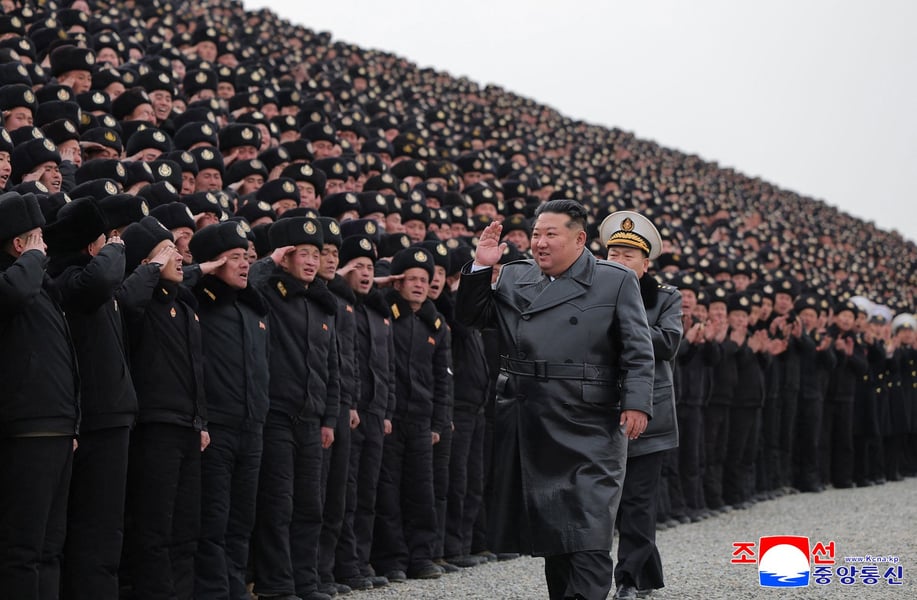
Putin publicly acknowledged North Korean troops in the Russian operation last September, calling their contribution “heroic” in remarks that marked the first formal Kremlin admission of troop participation. The two leaders have since met in person more than once, in Vladivostok and in Pyongyang. Both summits produced photographs and broad declarations of solidarity but almost no documentation of the specific commitments made.
Putin attended the Eastern Economic Forum in Vladivostok earlier this month, where he discussed the conditions under which a Ukraine settlement might become possible. The diplomatic register of those remarks contrasted sharply with the letter Pyongyang was preparing to send: one side speaking in careful language about potential de-escalation, the other publishing a public pledge of “invariable support” for the war’s continuation. The two messages capture the full range of what Moscow is navigating simultaneously.
Defense analysts who follow the conflict note that North Korea’s willingness to absorb casualties quietly, without domestic political acknowledgment, gives Moscow an asset no Western partner could offer. The cost in lives is real. The political cost in Pyongyang, where the state controls all information about military losses, appears minimal. That asymmetry is part of what makes the relationship durable in ways that simpler military arrangements are not.
Kim’s letter did not address the dead. It spoke of friendship, victory, and justice. And it came just days after Putin addressed the BRICS summit and warned European governments that deploying troops to Ukraine would mean direct conflict with Russia. The two statements together sketch the boundaries of the coalition Moscow has assembled: willing partners on one side, warned adversaries on the other.
What Kim’s pledge does not settle is what happens in Kursk Oblast over the coming months. Troop rotation schedules, casualty replacement rates, and the precise scale of any future deployment remain unknown. The Kyiv Independent reported that Kim has framed North Korea’s military involvement as part of a “sacred mission,” language suggesting Pyongyang views its commitment not as a transactional favor but as something closer to an ideological obligation. How deep that obligation runs, and what it will cost both countries before the conflict ends, is something neither government is in a hurry to explain.