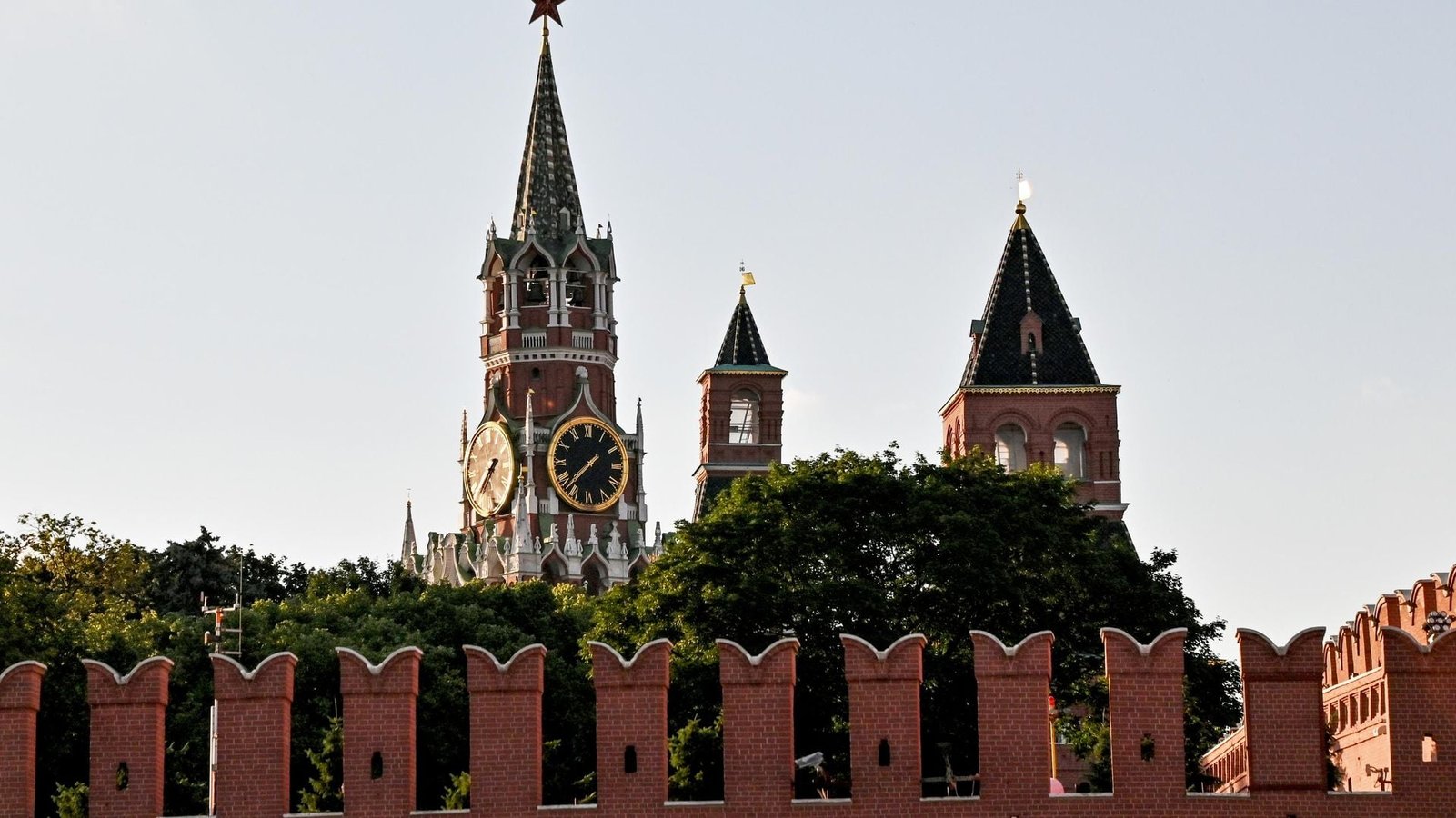

MOSCOW – Russian President Vladimir Putin thanked North Korean Foreign Minister Choe Son Hui in person on Saturday for Pyongyang’s military contribution to Russia’s operation in Ukraine, describing the deeds of North Korean troops as heroic in remarks delivered at the Kremlin in the presence of Foreign Minister Sergey Lavrov and Presidential Aide Yuri Ushakov.
Kremlin spokesman Dmitry Peskov said Putin told Choe that “the heroic deeds of North Korean troops who supported our military would never be forgotten,” according to Sputnik, which cited the Kremlin readout. The meeting in Moscow placed the Russia-North Korea military relationship on an explicit, named diplomatic footing for the first time at the Kremlin’s own initiative.
Choe, who serves as Kim Jong Un’s foreign minister and is among the few officials with direct access to the North Korean leader outside his immediate family circle, conveyed Kim’s message that Pyongyang “reiterated that developing relations with Russia in all areas remains a strategic goal.” The framing on both sides was forward-looking: not describing what had already been done but positioning the Ukraine deployment as the foundation for a deeper and permanent partnership.
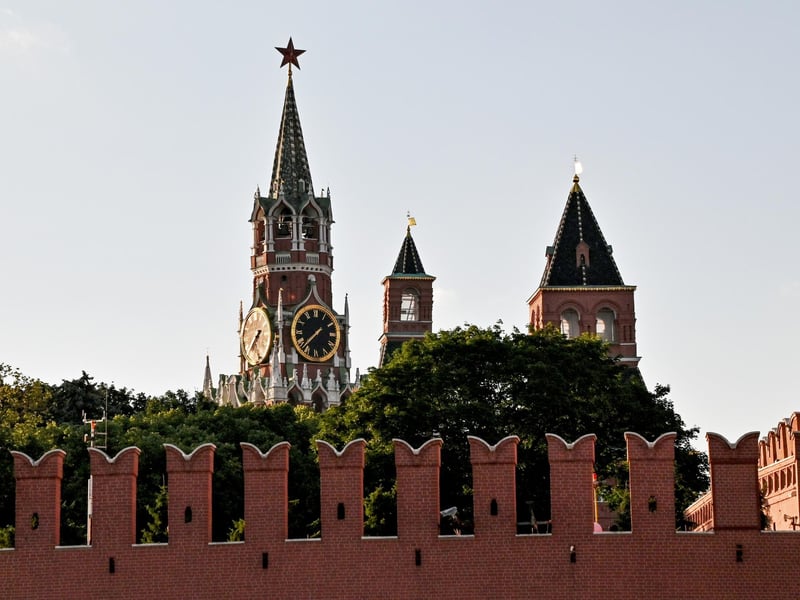
Lavrov and Ushakov’s presence at the meeting signaled that Moscow treated the encounter not as a courtesy exchange but as a formal diplomatic session warranting its two most senior foreign affairs officials. For Russia, managing the Choe visit as a Kremlin event rather than a foreign ministry one underscored that the North Korea file now sits at the highest level of the Russian government.
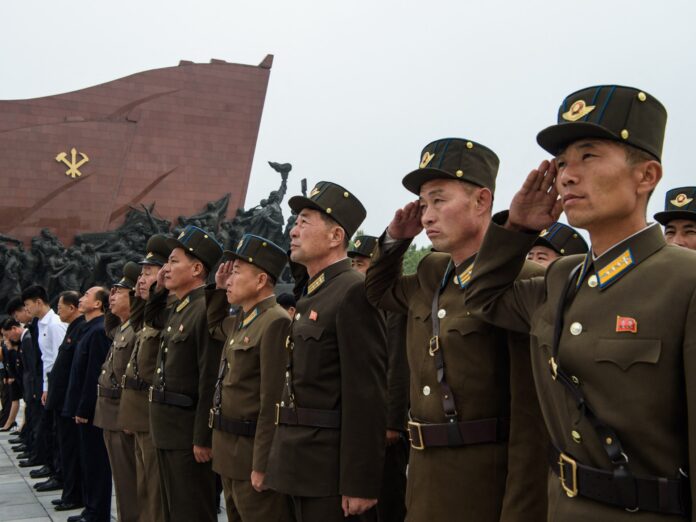
The timing carries its own weight. North Korean troops entered the Russia-Ukraine theater in the autumn of 2024, a deployment initially denied by both Seoul and Pyongyang. South Korean and American intelligence services subsequently confirmed that tens of thousands of North Korean soldiers had been deployed to support Russian forces in the Kursk Region, where Ukraine had conducted a cross-border operation in August 2024. North Korean soldiers took casualties; the scale of those losses has never been officially disclosed by either Moscow or Pyongyang.
Putin’s direct acknowledgment of “heroic deeds” closes off the period of studied ambiguity. Russia is now openly thanking a country it previously would not officially confirm as a military partner. For Kim Jong Un, that acknowledgment represents a political payoff beyond the financial and materiel transfers Russia is believed to have provided in exchange for the deployment. It positions North Korea not as a dependent client of Moscow but as a military partner whose soldiers have died fighting alongside Russian troops, a distinction that matters for how Kim presents the alliance domestically and how Pyongyang seeks to use it in future negotiations with Washington or Seoul.
The meeting with Choe also comes as Russia continues to advance on multiple fronts in Ukraine. Russian forces deployed Gerbera-4 autonomous drones to strike a gas processing facility in Ukraine’s Kharkov Region on Saturday, part of a continuing campaign against Ukrainian energy and logistics infrastructure. The military tempo has not slowed the diplomatic activity.
Beijing’s relationship with the Russia-North Korea axis adds a complicating layer. Chinese President Xi Jinping visited Pyongyang in June, where his publicly released remarks omitted any mention of denuclearization. As Eastern Herald reported, Xi pledged unconditional support for North Korea’s socialist construction, a formulation that analysts read as Beijing’s de facto acceptance of Kim’s nuclear-armed political order. Putin’s acknowledgment of North Korean troops fits within that broader realignment, in which the Moscow-Beijing-Pyongyang triangle is increasingly behaving as a coordinated strategic grouping.
Choe Son Hui was appointed foreign minister in November 2023, after years as one of North Korea’s most experienced nuclear negotiators. She participated in all the Trump-Kim summits of 2018 and 2019 as a senior working-level diplomat. Her elevation to foreign minister and her presence in Moscow for a personal meeting with Putin marks how far the bilateral relationship has shifted since those negotiations collapsed: North Korea’s most practiced diplomat with Washington is now being received at the Kremlin for a different kind of statecraft.
What the Peskov readout does not specify is the content of any operational agreements discussed at Saturday’s meeting. The public record contains a thank-you and a statement of strategic intent. Whether the meeting addressed additional troop rotations, weapons transfers, financial compensation for deployed soldiers, or any other concrete arrangement remains unknown. Kremlin readouts of this type are typically sparse on specifics; the diplomatic content resides in the meeting itself rather than in what Moscow chose to disclose.
For analysts tracking the Russia-North Korea relationship, the most significant element of Saturday’s exchange may be the most basic one: Putin said thank you publicly. In diplomatic protocol, an unsolicited public expression of gratitude to a subordinate partner is also a commitment, an acknowledgment that the favor was done and that reciprocity is owed. What Russia owes North Korea in return for the lives of soldiers in Kursk, and how that debt is being honored and will continue to be honored, is the question that Saturday’s meeting gestured toward without answering.