
LUXEMBOURG — European companies and banks were barred on Monday from dealing with 826 Russian firms that supply Moscow’s missile, drone and aircraft lines, along with the 743 executives who run them. Their assets are frozen across the 27-member bloc, and the executives cannot enter it.
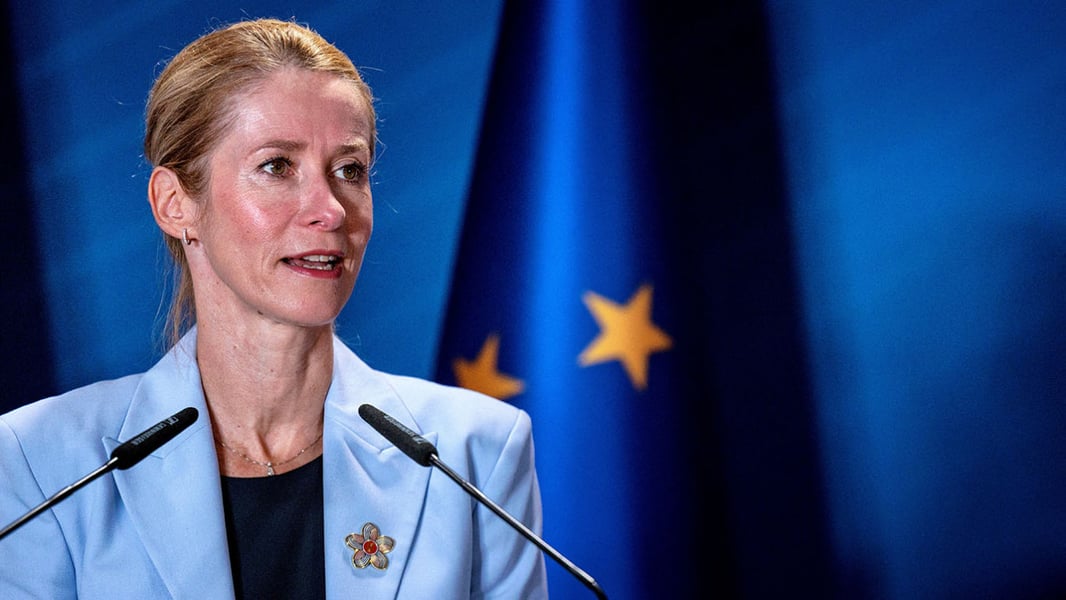
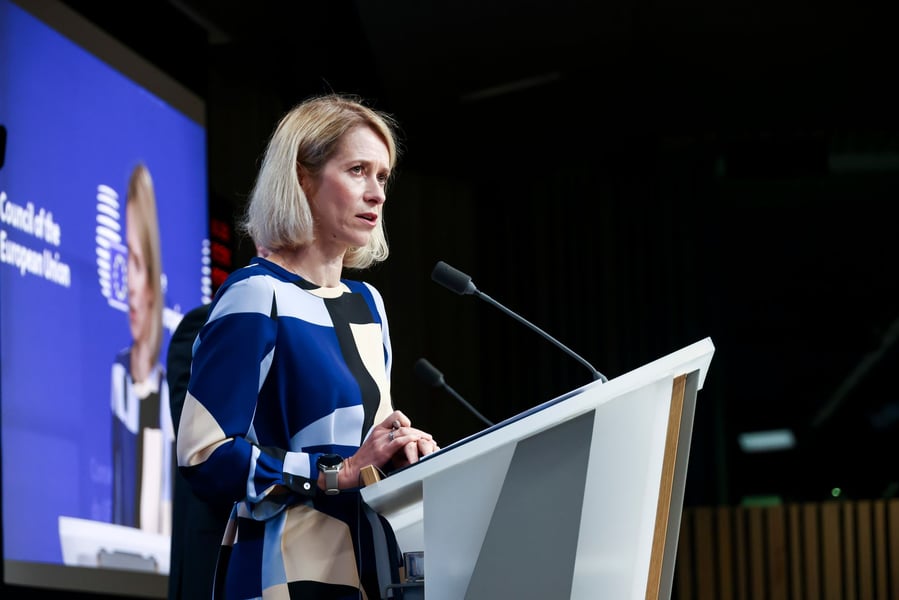
EU foreign ministers adopted the listings at the Foreign Affairs Council in Luxembourg after envoys agreed the text the previous week. EU foreign policy chief Kaja Kallas called it the single largest expansion of the bloc’s sanctions list since February 2022. By arithmetic from the EU’s own totals, more than a third of the roughly 4,600 names now on the Ukraine-related list arrived in a single vote.
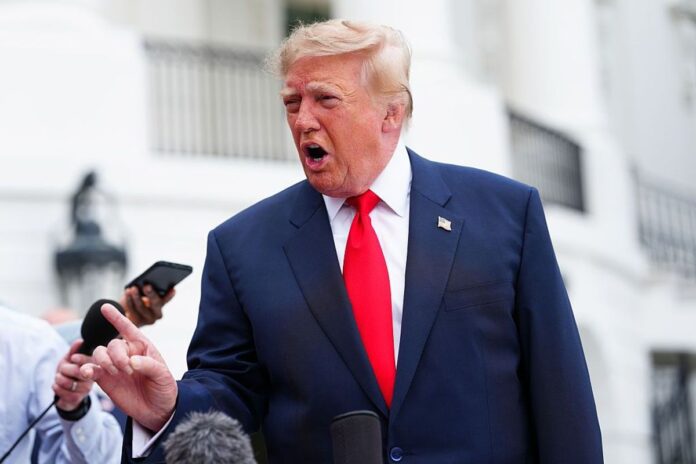
The timing exposes a gap. On Friday Washington went the other way and eased Russian diesel sanctions to bring down high US fuel prices, a decision that senators from both parties have since said may break the law. Brussels is tightening on the suppliers of Russia’s weapons while its closest ally licenses a Russian export, and nothing in Monday’s announcement suggests the two decisions were discussed with each other.
Washington’s own clock is shorter than Brussels’. The Lindsey O. Graham Sanctioning Russia and Iran Act of 2026, signed on September 18, requires most of its measures within 30 days, so by October 18, including tariffs on the five largest buyers of Russian oil and gas and the designation of shadow-fleet tankers, according to a law firm’s summary of the text. The president may waive required sanctions by certifying to Congress that doing so serves the national interest, and Treasury says it has the authority behind the diesel licence. Whether that authority survives a challenge is what the senators are asking, and no court has yet ruled.
The scale of the targets is large, and the EU is the one measuring it. The Moscow Times reported that the listed companies supply explosives, ammunition, semiconductors and computers, that they employ more than 250,000 people and that their combined annual turnover is at least 20 billion euros, or $22.3 billion. Spread across 826 firms, that is about 300 workers each, which describes component makers more than prime contractors. None of the reports that carried the figures said how the turnover was calculated or what share of it comes from military contracts. Kallas said more than half of the listings “address the production chain for the ballistic missiles Russia uses to kill Ukrainian civilians every day.”
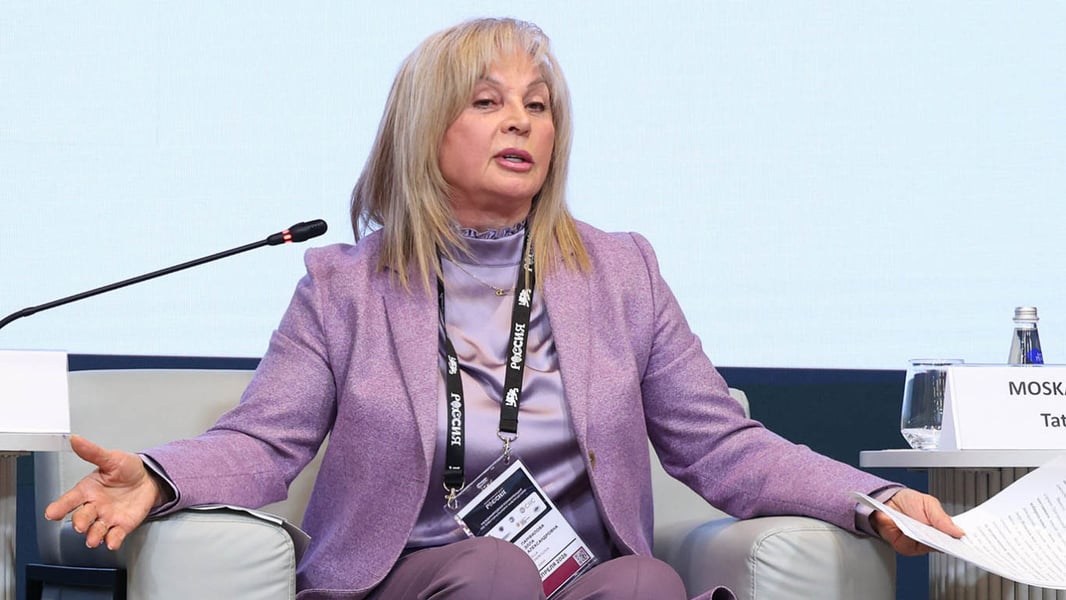
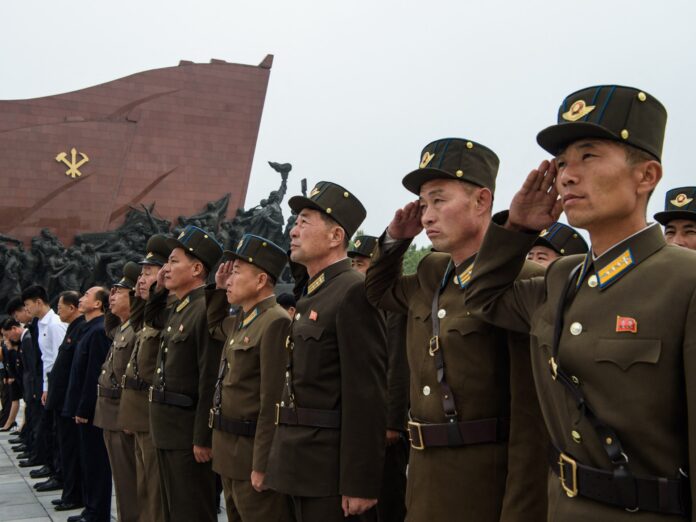
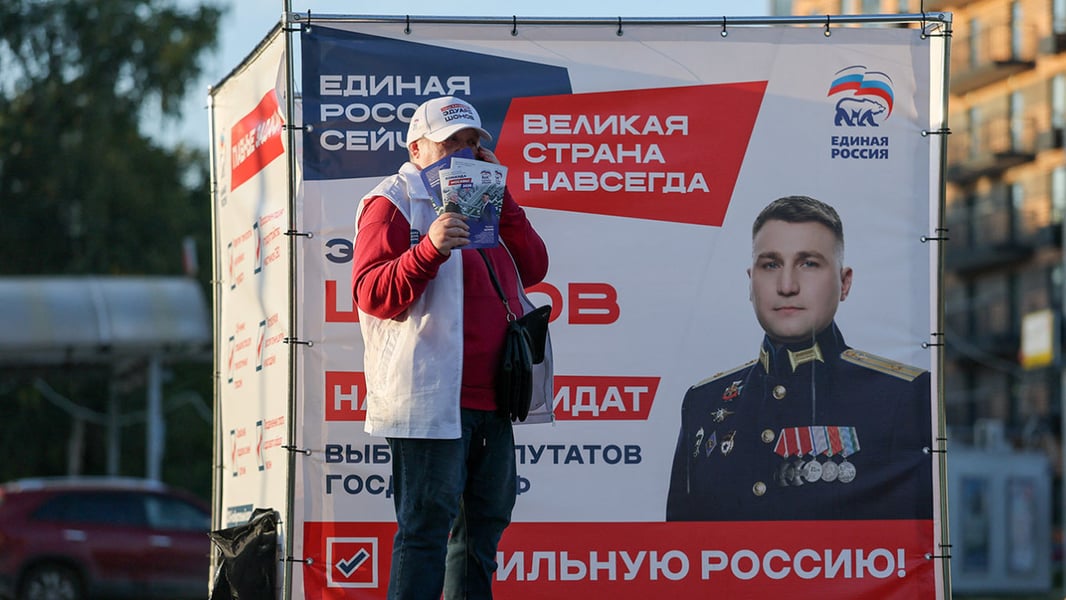
The package also reaches past the factory floor. Seventy-four State Duma deputies and three members of the Central Election Commission were listed over the elections held in occupied Ukrainian territories, which Kallas described as sham elections. Three individuals and four entities in North Korea were added over Pyongyang’s military and economic cooperation with Moscow, the only third-country names the reports identified.
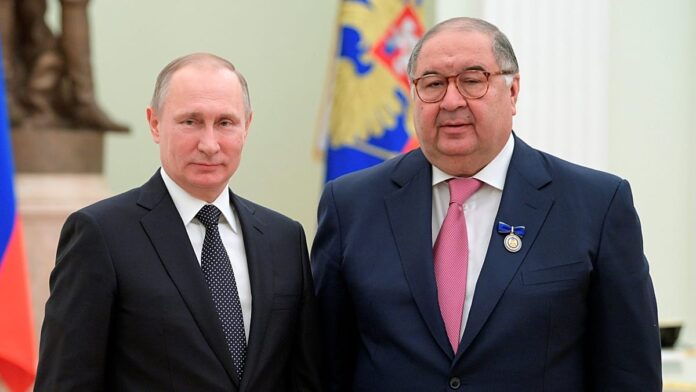
Monday’s vote also delivers on a promise. In August Kallas said Brussels would bring forward the most far-reaching sanctions since the war began. The ministers got there only after a fight over a single name. In September, France joined Slovakia in pressing for the Usmanov delisting, which forced an unprecedented seven-day extension of the existing measures. Sanctions need the agreement of all 27 members, and on Monday they had it.
Moscow’s answer is missing from the record. Neither the Kremlin nor the Russian Foreign Ministry was quoted in the Moscow Times, TRT World, Xinhua or Kyiv Independent accounts of the adoption, and no Russian statement on the listings had surfaced by the time this report was filed.