BRUSSELS — The European Union is preparing to expand its blacklist of sanctioned Russian individuals and companies by roughly one-third — the most ambitious single addition since the sanctions regime began in February 2022 — with a package targeting Moscow’s military-industrial complex and export networks that EU foreign policy chief Kaja Kallas plans to present to member states in the autumn.
Kallas announced the move on Monday, describing it as “the most far-reaching sanctions listings since the start of the war.” The package, if adopted unanimously by all 27 EU member states, would bring the total number of sanctioned Russian entities from approximately 3,000 to around 4,000 — adding roughly 1,000 individuals and companies to the existing list.
The announcement represents a strategic inflection point in the EU’s approach to economic pressure on Moscow. Twenty-two sanctions rounds have passed since February 2022, the most recent of which saw the EU target Russia sanctions targeting 90 Russian banks in a sweeping financial-sector sweep. The new round appears designed to reach deeper into the industrial and export infrastructure that has allowed Russia to sustain military production despite four years of restrictions.
Kallas was direct about both the intent and the limits of what previous rounds have achieved. Russia, she acknowledged, “has already paid a high price for the EU sanctions.” But she framed that acknowledgment as a reason to continue, not a marker of completion: “The pressure must keep growing until Moscow ends its war.” The package is aimed specifically at components, financing, and revenue streams that Russia has rerouted through third-country intermediaries — including trading partners in China, India, and the Gulf states — to partially offset the first rounds of restrictions.
What Kallas did not announce is the specific roster of targets. The omission is deliberate on two levels. Advance disclosure of which entities face designation allows them to restructure, move assets, or reroute supply chains before a package takes legal effect. On the political level, there is a deeper problem that no announcement can resolve: unanimity.
All 27 EU member states must approve each sanctions package. That requirement has become steadily harder to satisfy as the war extends into its fifth year and member states with divergent economic interests — energy importers, shipping carriers, agricultural exporters — have each pressed for carve-outs tailored to their national exposure. The unanimity rule functions as a compression mechanism: it ensures every package emerges with the support of the most resistant member state rather than reflecting the ambitions of the most hawkish.
Greece’s behavior over the summer provided the clearest recent illustration. In July 2026, Athens blocked consensus on a provision targeting Russian liquefied natural gas shipping until it secured a specific exemption for Greek-owned vessels. The episode provoked sharp frustration among EU capitals but also revealed the structural problem Kallas faces: the formal commitment to sanctions unity is real, but national economic interests have proven capable of shaping any package that eventually emerges into something narrower than the headline ambition intended.
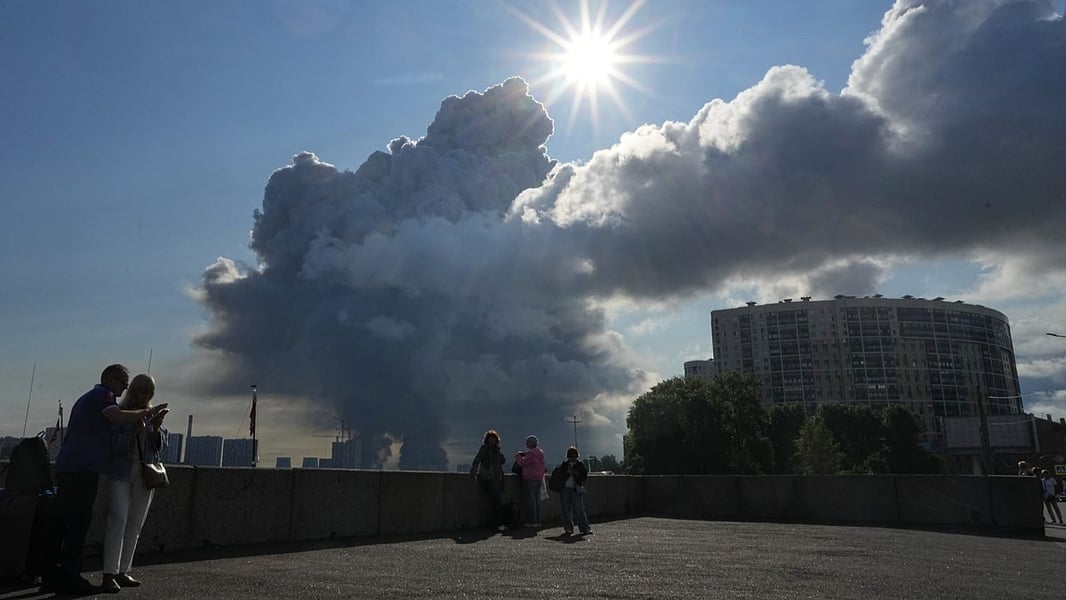
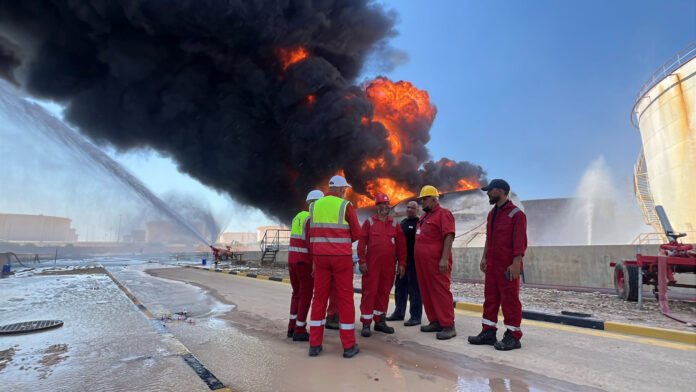
Ukraine’s own pressure campaign on Russian industry from the air has been running in parallel. Ukraine war drone strikes on Russian oil refineries near Moscow, Yaroslavl, and Volgograd — a six-month campaign using British-supplied BAE Systems drones — are designed to compound economic pressure from a different direction. The EU sanctions package, if adopted in its proposed form, would attempt to restrict the financial and industrial supply chains that allow Russia to repair and replace what the drone campaign has damaged.
According to Euronews reporting on Monday’s announcement, the package represents the EU’s largest proposed expansion of the sanctioned entities list since the initial measures of February 2022. What it does not yet represent — and cannot until 27 national capitals complete their negotiations — is a guarantee that Russia will face the full pressure Kallas is describing.
What Brussels has not answered — and what the autumn negotiations will force into the open — is whether this package will be shaped by the most determined member states or, as has happened before, by the most resistant. For a war in its fifth year, the gap between what is announced and what eventually clears unanimity has defined every round of EU Russia sanctions since the war began.