
SIRIK, Iran — By the time the sun rose over the Strait of Hormuz on Wednesday, the fifth person had died. She was twenty-two years old, and she had been at a wedding.
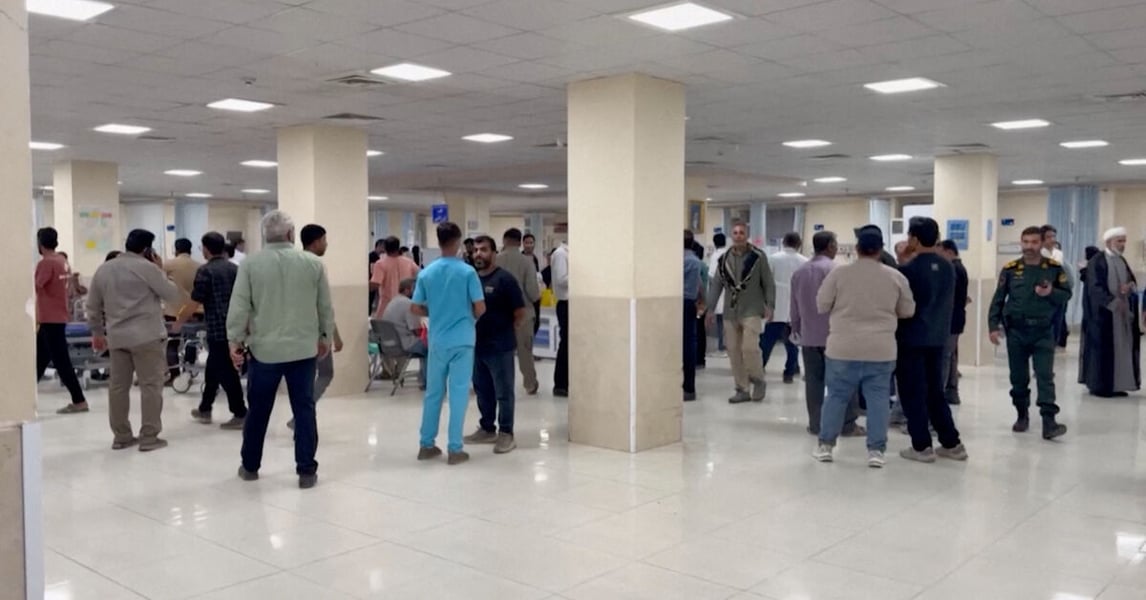
The airstrike came on Tuesday, September 2, striking a home in Sirik, a coastal town in Hormozgan province where Iran meets the narrowest passage of one of the most heavily militarized waterways on earth. The initial toll was four dead and nearly seventy wounded. By the time Iranian health authorities updated the count Thursday, a young woman had become the fifth fatality, her name not yet released in the reports available outside the country. Iran said the strike hit while a family was gathered for a wedding celebration inside the home.
Vice President JD Vance, speaking at a White House briefing Wednesday, confirmed that the United States is investigating. “We’re investigating it because obviously we care,” he said. “We want to know.” He added a self-distinguishing note that has become a refrain in how senior administration officials address civilian harm questions: “If we do make mistakes, again, this is a big difference between us and Iran — when our military makes mistakes, they learn from them to try to get better from them.”
The statement accomplished two things simultaneously. It acknowledged that what happened in Sirik might constitute a mistake. And it positioned that possibility as evidence of American virtue rather than American accountability. The investigation has been announced. Its terms, timeline, classification status, and whether findings will ever be published remain unstated.
The US military maintained its standard position. It acknowledged awareness of Iranian reports and said it “never targets civilians.” No further information about the strike, the intended target, or the munitions used had been released as of Thursday morning.
Sirik sits at the point where Iranian territory approaches the shipping lanes that carry roughly twenty percent of the world’s traded oil. It is not a military installation. Al-Monitor described the incident as part of “the most significant exchange of fire in weeks” between American and Iranian forces, without specifying what American operation the strike was associated with or what the intended target had been.
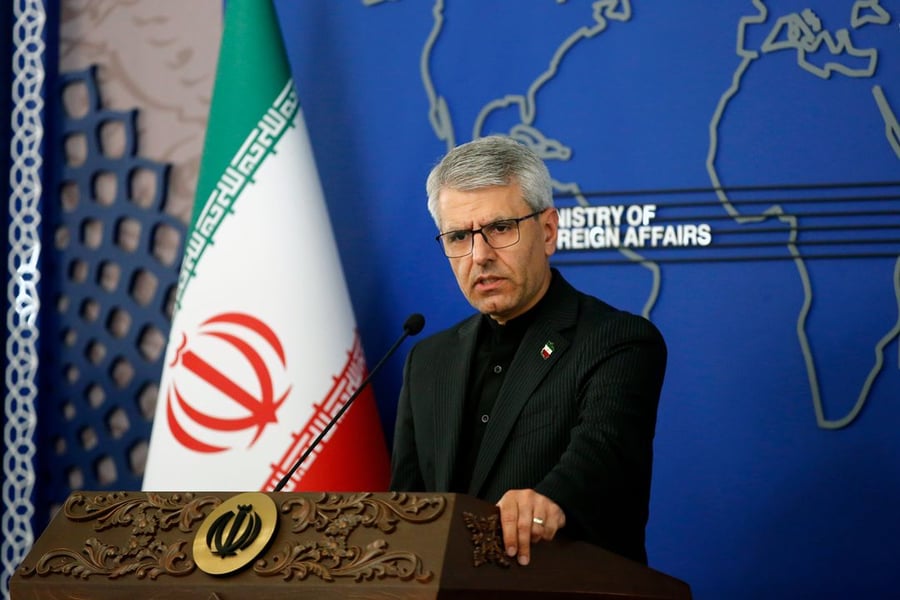
The institutional capacity to investigate and report honestly on incidents like the Sirik airstrike has been weakened from multiple directions at once. Inside the Pentagon, Army Secretary Driscoll’s resignation this week is the latest in a pattern that has hollowed out the civilian oversight layer in the building. Defense Secretary Pete Hegseth, who has offered consistent public optimism about the war’s progress, has not engaged publicly with the Sirik incident.
For Iran, the incident provides an opportunity that it has taken repeatedly in this conflict. TRT World reported Iranian officials saying the strikes extended across multiple areas including Minab, Lamerd, and Qeshm Island — part of what Tehran described as a wider wave of American attacks. Iranian state media amplified the Sirik casualty count and framed the strikes as evidence that the American military operation in the Gulf is producing civilian deaths that Washington will not acknowledge. The framing is not inaccurate. The wedding location, the civilian casualty profile — five dead including women and the wounded count near seventy — fits the pattern of incidents Iran has presented as evidence of indiscriminate American targeting. Whether this particular strike was indiscriminate or the result of faulty intelligence about the building’s use is precisely what the announced investigation would need to determine.
The strategic context in which the Sirik airstrike occurred has been shaped partly by the resource constraints analysts have been documenting since the spring. Scholars examining weapons escalation risks in the Iran campaign warned that operating at sustained tempo in the Gulf produces pressure to expand the target set as intelligence gaps widen and targeting cycles compress. Whether that dynamic contributed to the Sirik strike is unknown — and will remain unknown unless the investigation Vance announced produces a public finding, which investigations of this kind rarely do.
What Vance said Wednesday was technically true. The United States does investigate incidents where civilians are reported killed. It says it cares. It says it wants to know. The question that the twenty-two-year-old who died overnight in a Hormozgan province hospital, and the four others killed at her family’s wedding, cannot answer is whether caring and knowing are the same thing as accountability.