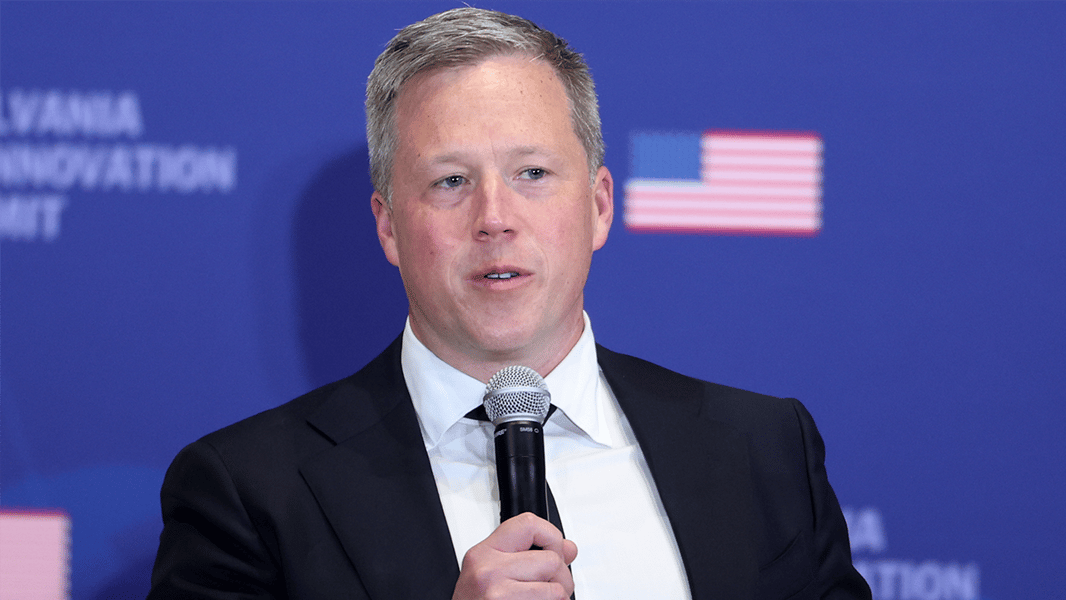

WASHINGTON — The Army’s civilian leadership, already strained by more than a year of personnel disruptions inside the Pentagon, lost its secretary Monday when Dan Driscoll submitted his resignation to the White House, leaving the service without a confirmed civilian chief as it conducts full-scale operations in the Iran war.
Driscoll’s exit came after months of friction with Defense Secretary Pete Hegseth over Army transformation programs and the generals who had led them. By Labor Day, when Driscoll told close associates he wanted to be gone, the gap between what he believed the Army needed and what Hegseth would allow had become irreparable.
The points of contention were institutional. Driscoll had built a modernization agenda centered on drone warfare and technology acquisition, including a battalion in Europe that studied Ukraine’s battlefield drone techniques against Russian armor. Hegseth moved to phase out that unit. The generals closest to Driscoll’s programs were removed: Gen. Randy George, the Army Chief of Staff, and Gen. Chris Donahue, who had filed for retirement. Hegseth subsequently blocked personnel promotions Driscoll had backed. According to officials who spoke to NBC News, Driscoll raised his concerns directly with the Trump administration before submitting his resignation, citing Hegseth’s blocking of Army transformation efforts and the firing of the officers responsible for them.
The White House offered only a forward-facing assessment. Spokeswoman Anna Kelly said Driscoll “has been highly effective in advancing President Trump’s agenda to Make America Strong Again.” The statement did not address the circumstances of the departure or the timeline for naming a successor. Hegseth’s senior adviser and Pentagon communications chief, Sean Parnell, is being considered for the role, according to multiple officials.
Driscoll was 38 when confirmed, the youngest Army secretary in the department’s history. He arrived as a close associate of Vice President JD Vance, well-regarded across party lines, with a mandate to modernize quickly. He oversaw the Army’s response to the Iran conflict, negotiated around force reductions in Europe, and inherited the institutional weight of a service stretched across multiple theaters simultaneously. His tenure coincided with what may be the most demanding operational period the Army has faced in a generation.
The departure extends a pattern of civilian attrition at the Pentagon that began well before Driscoll’s resignation. The departure of Navy Secretary John Phelan earlier this year, itself contested in how it was framed and contested further in what followed, left the Navy being run by an acting official who is only now receiving a formal nomination. More than two dozen senior military officers have been removed or sidelined since Hegseth took office, many without public explanation and without the transition planning that ordinarily accompanies command changes. The broader removal of senior military officers has stripped the department of institutional knowledge at the precise moment the Iran war places maximum operational demands on it. Deputy Army Undersecretary Dave Fitzgerald is also expected to resign this week.
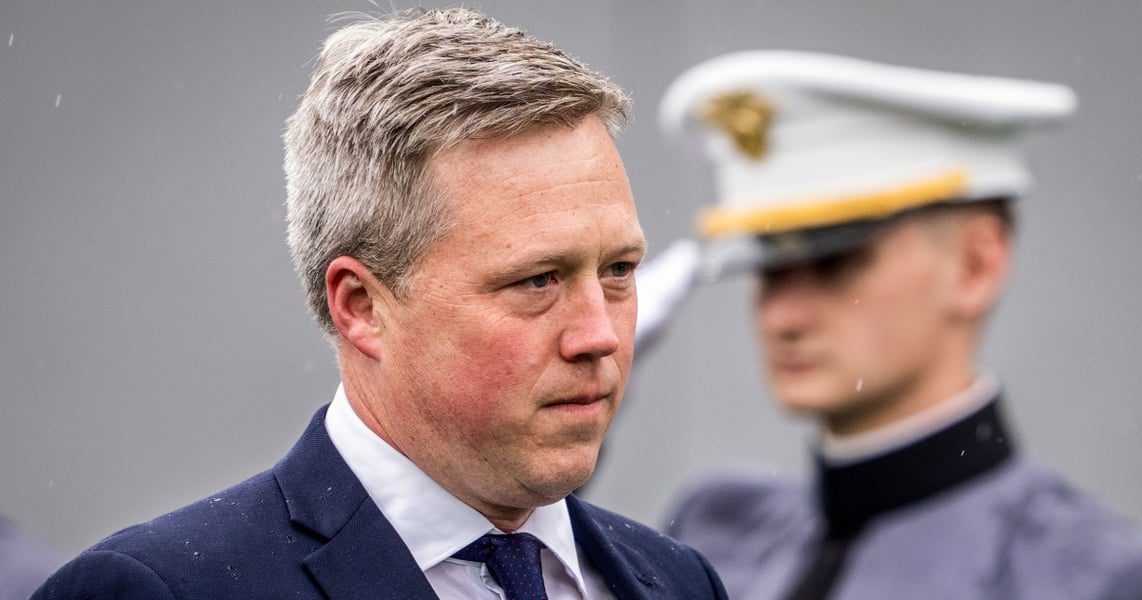
The drone battalion Hegseth disbanded was not peripheral to that mission. It was the primary mechanism by which the Army was absorbing Ukraine’s battlefield experience, specifically the use of low-cost commercial drones against armored formations, and translating that experience into American doctrine. Eliminating the unit, during a conflict where drone employment has become a decisive tactical factor, is a strategic choice that Driscoll opposed in terms that officials described as explicit. He left rather than preside over it.
The budget dimension is also immediate. The Iran war’s operational strain has generated emergency funding requests that require a civilian champion inside the Pentagon’s senior leadership to carry them through supplemental spending negotiations with Congress. Without a confirmed Army secretary, those requests go forward with less institutional weight behind them.
What Driscoll’s resignation does not answer is substantial. Whether the decision to sideline his transformation programs and his generals came from Hegseth’s office or from the White House, or both simultaneously, has not been made clear by anyone willing to speak on record. Fox News reported the resignation was submitted directly to Trump. NBC News reported it surprised Pentagon staff. Whether Trump approved the departure before it was announced, or was informed after the decision was made, the White House has not said.
The Army will continue operating without a confirmed civilian secretary for an indeterminate period. There is no announcement of an acting replacement, no nomination timeline, no explanation of the months of friction that ended Driscoll’s tenure. The service is in the middle of a war. That part will continue regardless.
Related Posts