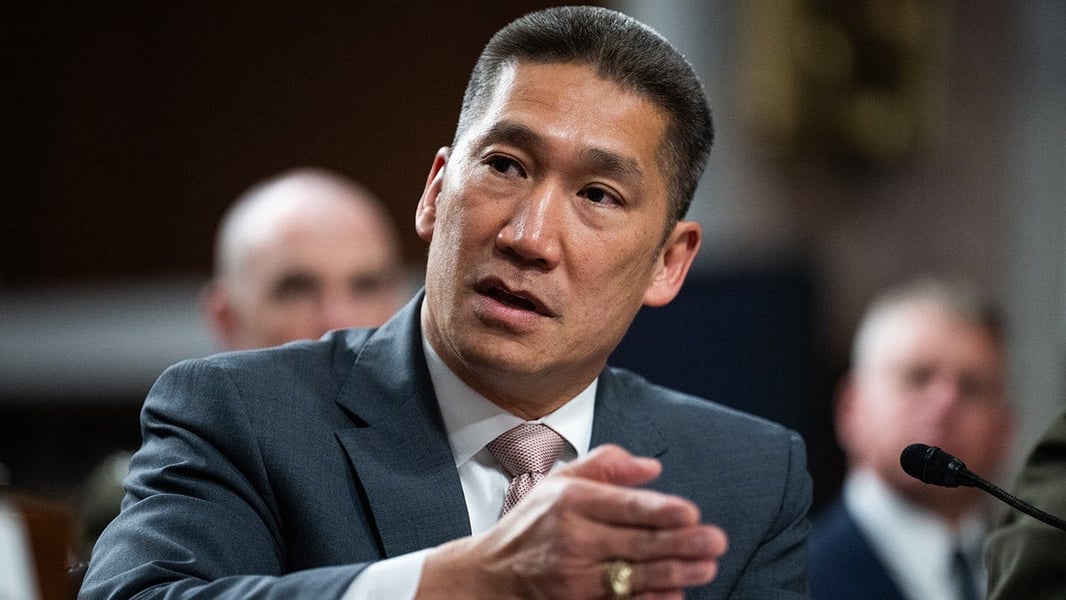

WASHINGTON — When sailors aboard the USS Abraham Lincoln began breaking down last spring, the acting Navy Secretary was not moved. There had been suicides, failed attempts, crew members who had spent more than 250 consecutive days at sea during the height of the Iran war. Hung Cao dismissed the media accounts as an effort to “paint our warriors as victims.” He called the coverage “dishonest.” On Tuesday, President Trump nominated Cao to lead the Navy and Marine Corps permanently.
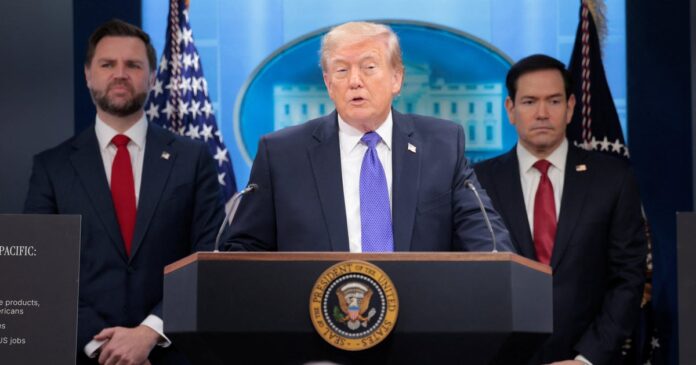
The announcement came via Truth Social in Trump’s preferred register. “I am pleased to nominate a true WARRIOR, Hung Cao, to become the next Secretary of the Navy,” Trump wrote, calling for the Senate to confirm him “ASAP.” The formality changed little in practical terms. Cao has already been running the Department of the Navy for four months, since Trump forced out Navy Secretary John Phelan in what became a public contest over whether Phelan had resigned or been pushed. He had not resigned.
The case for Cao is genuine, and the administration will make it fluently. He graduated from the U.S. Naval Academy in 1996 and spent 25 years as a special operations officer, deploying to Iraq, Afghanistan and Somalia before retiring as a captain in 2021. He came to the United States as a child refugee after the fall of Saigon in 1975, carried out of a country in collapse before he was old enough to understand what was being lost.
The biographical details the administration will lean on are striking on their own terms. Cao’s family fled Vietnam in its final hours. He grew up in the United States, earned an appointment to the Naval Academy and dedicated a quarter century to the service that gave his family a future. There is no question about the authenticity of that commitment. The question, which a Senate confirmation hearing will now be asked to answer, is whether commitment is sufficient preparation for the civilian management of a department with more than 900,000 personnel and a budget exceeding $250 billion.
His political career offered limited evidence. He ran for a Virginia House seat in 2022 and lost. He challenged Democratic Senator Tim Kaine in 2024, with Trump’s backing and substantial national Republican attention, and lost that race too. He moved into the Pentagon’s civilian hierarchy through appointment rather than election, rising from undersecretary of the Navy in October 2025 to acting secretary in April when Phelan’s tenure ended in circumstances neither side has been willing to fully explain.
As acting secretary, Cao has pressed an agenda centered on shipbuilding and what he describes as a return to “alpha” troop culture: fewer accommodations, harder standards, more ships. The Navy’s shipbuilding backlog is real, and the pressure from the Iran war has sharpened the urgency. In that sense, Cao has given the Pentagon a civilian leader who is unambiguously aligned with the administration’s institutional priorities.
But senators who sent the Pentagon oversight letters this summer about the USS Abraham Lincoln may have different questions in mind.
The Lincoln’s deployment stretched to 286 days by the time the carrier returned home from its record deployment. As senators demanded answers about suicide attempts and deteriorating mental health aboard the ship, Cao offered a response that dismissed the premise. He told Fox News that the media was being “dishonest” and characterized reporting about the Lincoln’s crew as an attempt to make warriors look like victims.
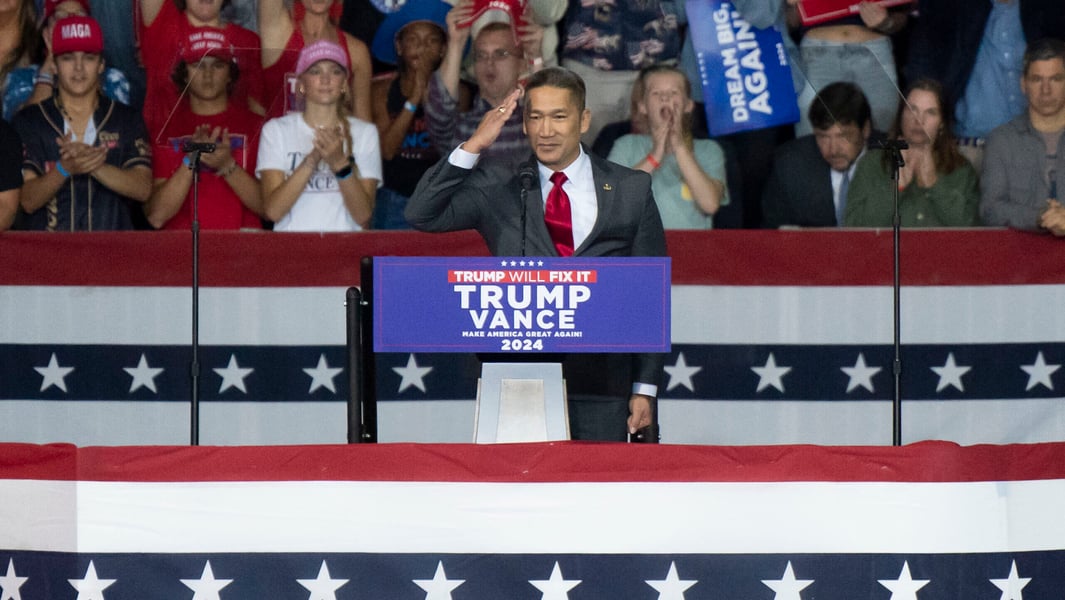
That answer may not survive a confirmation hearing. Unlike written oversight responses, sworn testimony before the Senate Armed Services Committee carries a different kind of weight. Senators can enter documents into the record, call witnesses and ask Cao, under oath, to describe what the Navy knew about the Lincoln’s crew welfare and when, and whether his characterization of the coverage as “dishonest” was accurate, or something else.
He enters that process with structural advantages. Trump has publicly endorsed him in the strongest terms, which places Republican members of the committee in a difficult position if they press too hard. As Breaking Defense has reported, more than 20 senior officials have departed since Defense Secretary Pete Hegseth took office, and the administration can credibly argue that a prolonged confirmation fight only adds to that instability.
The shipbuilding argument provides additional cover. The United States Navy has struggled to build ships at the pace the Iran conflict has revealed as necessary, and Cao has spoken consistently about the need for industrial-base investment. That is a message with bipartisan appeal in states whose shipyards hold Senate votes.
What the full Senate does with that combination is the one question the nomination does not answer. Hung Cao already leads the Navy. The USS Lincoln’s sailors have already come home. Whether the Senate treats that chapter as closed, or opens it, is now the matter at hand. As Fox News reported, the administration is leaving no ambiguity about which answer it prefers.