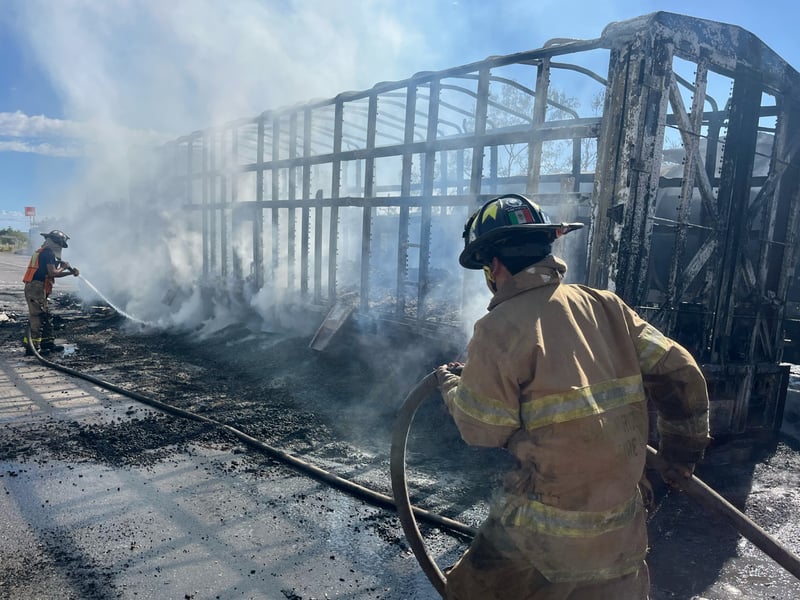

GUASAVE, Mexico – The capture of a cartel leader sought by the FBI left Guasave facing the aftermath of gunfire, burning vehicles and blocked roads, with Mexico’s Defence Ministry reporting seven alleged gunmen and four soldiers dead during the operation.
Fausto Isidro Meza Flores, known as El Chapo Isidro, was arrested in Sinaloa on Friday, November 20, and flown to Mexico City on Saturday. His detention removes a long-sought figure from the region’s criminal networks but leaves open who will control the territory and armed groups associated with him.
For residents, the immediate consequence was a night of violence rather than a completed prosecution. For authorities in Mexico and the United States, the arrest moves a years-long investigation into a new stage. Neither the capture nor the charges establish guilt, and the sources reviewed do not set out an extradition timetable or a final account of the damage.
Al Jazeera reported that Mexico’s Defence Ministry announced the death toll on Saturday after an overnight operation involving a firefight, roadblocks and burning trucks. The reported total of at least 11 combines alleged cartel gunmen and Mexican soldiers; it is not a confirmed civilian death toll.
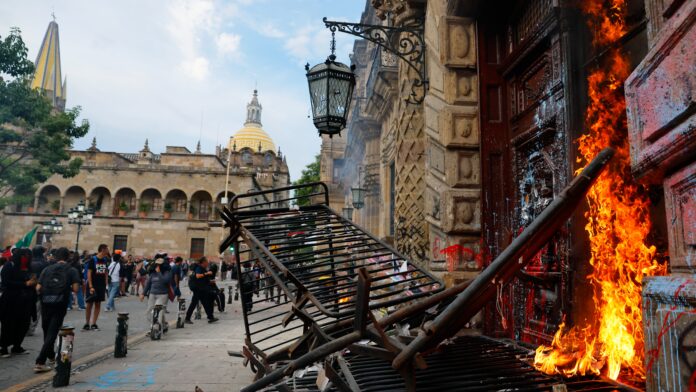
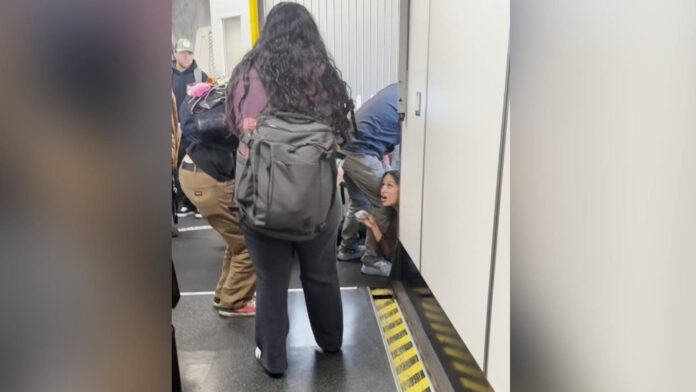
Residents placed the outbreak of gunfire at about 7 p.m. Friday. Military helicopters and drones were overhead, and videos described in the report showed people fleeing gunfire at a baseball game, burning vehicles and helicopters firing toward the ground. Those accounts establish the disruption reported in the city, not the responsibility for every individual shooting.
Al Jazeera cited a federal official, who spoke anonymously because he was not authorised to discuss the case, as saying army and National Guard special forces could not extract Meza Flores from Guasave until about 4 a.m. Saturday. That precise extraction time rests on the official’s account rather than a public operational timeline.
Two other men were flown to Mexico City and handed to prosecutors, the report said. Mexican authorities identified them as German N, known as Serafin and described as the group’s second-in-command, and Jose N, described as a financial operator.
A Justice Department statement issued November 21 separately confirmed the capture and named another detainee as German Rolando Galvez Meza, also known as El Serafin. It credited Mexican military forces with carrying out the operation following a Homeland Security Task Force investigation and said U.S. agencies provided assistance.
The distinction matters in a relationship shaped by disputes over sovereignty and security cooperation. The statement describes a Mexican operation supported by a joint investigative effort; it does not establish that U.S. troops conducted the arrest on Mexican soil.
U.S. prosecutors say a federal grand jury in Washington returned a second superseding indictment on September 25 against Meza Flores, 44. The six-count case includes allegations of leading a continuing criminal enterprise, drug-importation conspiracy, international money laundering conspiracy, conspiracy to provide material support to a terrorist organisation, narcoterrorism and firearms offences.
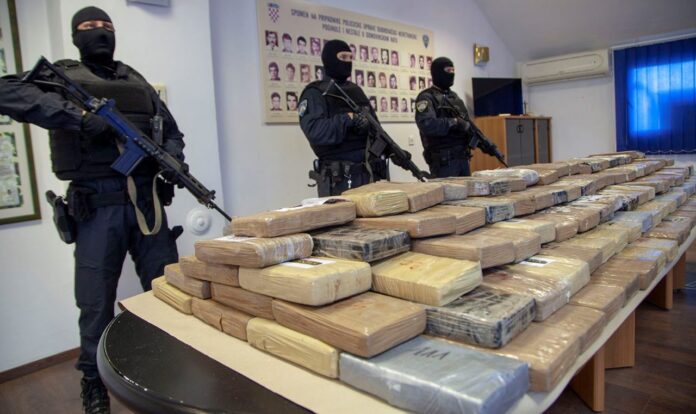
The Justice Department alleges that his network trafficked cocaine, methamphetamine, heroin, marijuana and fentanyl into the United States. Prosecutors also allege that he commanded gunmen controlling territory around Guasave, Los Mochis and remote parts of the Sinaloa mountains. These remain accusations to be tested in court, not findings established by the arrest.
The newer indictment is important because an FBI announcement from February 2025 describes an earlier stage of the case. That announcement records his original indictment in May 2012 and a superseding indictment in November 2019. It also explains his addition to the Ten Most Wanted Fugitives list and the U.S. reward of up to $5 million.
The Justice Department says the Sinaloa Cartel was designated a foreign terrorist organisation by the United States on February 20, 2025. That is a U.S. legal designation; the drug and terrorism-related charges in this particular prosecution still require proof against the defendant.
Al Jazeera describes Meza Flores as a former Beltran Leyva cartel figure who later led his own organisation and became an ally of Los Mayos, a Sinaloa Cartel faction. The Justice Department describes him as a senior Sinaloa Cartel leader. These accounts describe overlapping alliances and alleged roles rather than a simple, uncontested organisational chart.
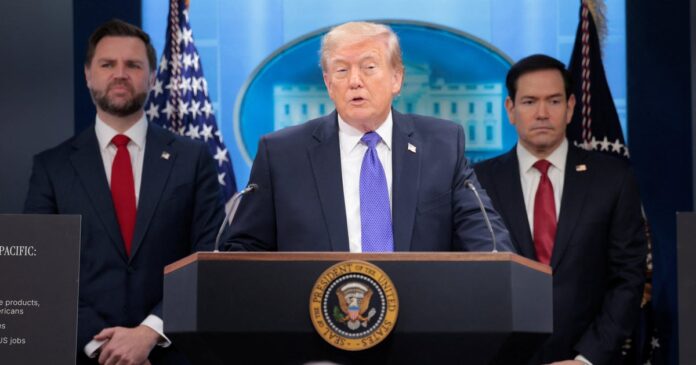
President Claudia Sheinbaum has faced pressure from Washington to intensify action against cartels. U.S. Ambassador Ronald Johnson praised the cooperation behind the capture, according to Al Jazeera, while the Drug Enforcement Administration also commended Mexican authorities. Official praise does not yet measure whether trafficking or violence will decline after the arrest.
The Eastern Herald previously reported on a separate cartel-leader detention followed by roadblocks and vehicle fires. That earlier case provides context for the security challenges accompanying arrests, not evidence identifying those responsible for the latest violence in Guasave.
A tense calm had returned to the city, Al Jazeera reported. The unresolved question for its residents is whether the removal of one leader ends the immediate violence or opens another contest among the armed groups left behind.