NAIROBI — Five days before Ethiopian and Tigrayan forces exchanged fire this week, seven armed groups that spent much of the last decade trying to kill each other stood behind a single announcement instead.
The Ethiopian Peoples’ Forces Alliance for Survival brings together the Tigray People’s Liberation Front and the Amhara Fano National Movement, forces that fought on opposite sides of the 2020-2022 civil war that killed roughly 600,000 people, alongside the Oromo Liberation Army, the Ogaden National Liberation Front, and armed movements from the Afar, Benishangul and Gumuz regions. Their stated goal is to remove Prime Minister Abiy Ahmed’s government and install a transitional administration. Their first joint action came almost immediately.
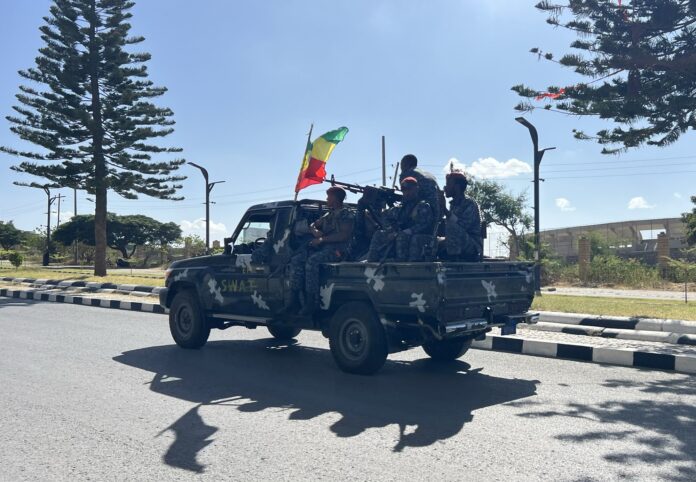
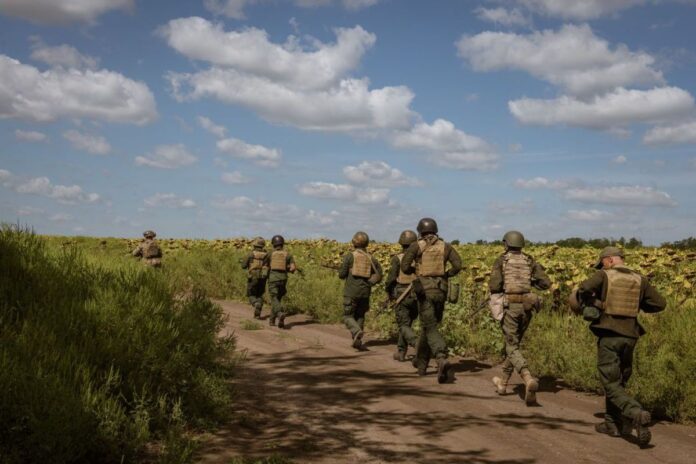
By Wednesday, Tigrayan forces had seized airports at Mekelle, Axum and Shire, grounding Ethiopian Airlines flights across the region. Fighting spread within days into the neighboring Afar and Amhara regions, and the Ethiopian army said Thursday its forces had killed 272 Tigrayan fighters in Amhara, a figure the Tigray Army disputed without offering its own count. Each side blames the other for firing first, a dispute that has defined every round of this conflict since 2020 and rarely gets resolved before the next round begins.
What makes this escalation different from August’s shorter clash near Sheraro is the alliance behind it. Groups that spent the last civil war on opposing sides, some of them responsible for atrocities against each other’s civilian populations, have concluded that removing Abiy matters more than settling their own history. Edward Bach, an analyst at the consultancy Verisk Maplecroft, said the alliance appears to be targeting settlements and infrastructure routes specifically to undermine the federal government’s ability to resupply its forces, a strategy that reads as coordinated rather than opportunistic, according to Al Jazeera.

Eastern Herald reported in August that the Pretoria peace deal ending that earlier war had left its core disputes unresolved, deferring questions about disarmament and political rehabilitation that neither side ever answered. Those questions did not go away. They accumulated, and the alliance announced last weekend is what accumulation eventually produces: not a resolution, but a wider coalition prepared to fight rather than wait any longer.
Getachew Reda, the former TPLF figure who now advises Abiy, has accused the alliance of launching this week’s attacks, the same accusation Addis Ababa made in August and Mekelle denied then too. What has not been offered by any government or international body is independent verification of casualties on either side, or a public accounting of who controls what territory as of Friday. The African Union, which brokered the 2022 agreement and calls itself its guarantor, has not issued a statement addressing an alliance whose stated purpose is to overturn the government the AU spent three years treating as the deal’s other party. Abiy’s own deepening strategic cooperation with Russia has given him a diplomatic option that reduces his exposure to exactly the kind of multilateral pressure the AU might otherwise apply.
Whether the Alliance for Survival can hold together long enough to threaten Abiy’s government, or whether the historical animosities between its members reassert themselves once the immediate fighting slows, is not something this week’s events have settled. What is settled is that the tools being used, the airports seized, the communications severed, the routes targeted, are the same ones that turned Ethiopia’s last civil war into a famine. Nobody currently fighting has explained why this time would end differently.