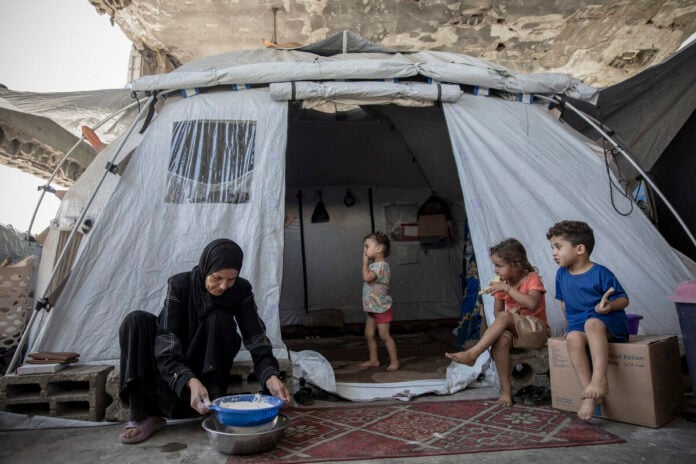

BAMAKO — Five girls, aged 10 to 13, were harvesting rice about three kilometers from Niono on the afternoon of July 12 when Malian soldiers opened fire and killed them. The soldiers later apologized to the families, saying they had mistaken the girls for attackers. As of mid-September, Human Rights Watch said on Monday, it knew of no investigation and no reparations.
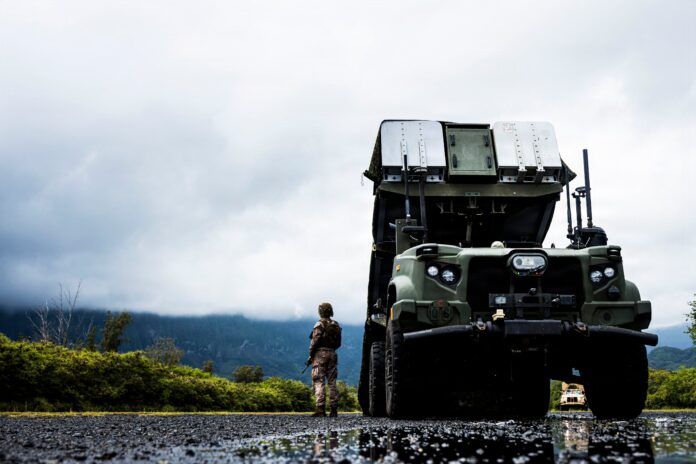
The killings sit inside a report that holds almost every side of Mali’s war to account. Human Rights Watch says the army and the Russia-controlled Africa Corps killed and wounded civilians in drone strikes and operations since July, and that Islamist and separatist fighters tortured and executed captured soldiers.
The trend line is in the strikes. Citing ACLED, a nongovernmental conflict-data project, the group says Malian forces and the Africa Corps carried out 49 airstrikes between April and August that killed 89 civilians, against 22 strikes and 44 deaths in the same months of 2025. Those are ACLED’s counts, and the group’s own 30 interviews, held between July 30 and September 20, were conducted remotely.
Human Rights Watch reported that on August 19 an apparent military drone circled the cattle market in Tombonkore for about 30 minutes, a trader said, before dropping a munition that killed six men and injured at least 20. The next day, Mali’s chief of staff said forces had struck a “terrorist hideout” and “neutralized” about 20 “terrorists.” Five witnesses told the group that JNIM controlled the area but that none of its fighters were at the market.
Three weeks earlier, at about 4 a.m. on July 29, an apparent one-way attack drone hit the health center in Talahandak, in Kidal region. The group attributes that strike to the Malian military too. “Only civilians received care here,” a health worker said.

The report is no kinder to the other side. Fighters of the JNIM-led alliance, the Al-Qaeda-linked JNIM and the separatist Azawad Liberation Front, attacked a convoy near Tabrichat on July 18 and, the group says, tortured and executed at least 19 captured soldiers. JNIM’s Sharia Committee told Human Rights Watch the killing of captives “did in fact take place” but that it “did not give the order.” The Azawad Liberation Front denied carrying out executions. Human Rights Watch could not determine whose fighters did.
Ilaria Allegrozzi, the group’s senior Sahel researcher, said the military and armed groups “are committing grave laws-of-war violations while international organizations and governments largely stand by.” The group wants the African Union‘s Peace and Security Council to hold a dedicated session on civilian protection. Mali’s defense minister did not respond to the findings sent on August 5.
By mid-September, the army still had not contacted the Tabrichat soldiers’ families. Whether anyone has since reached the families of the girls in Niono is not known.