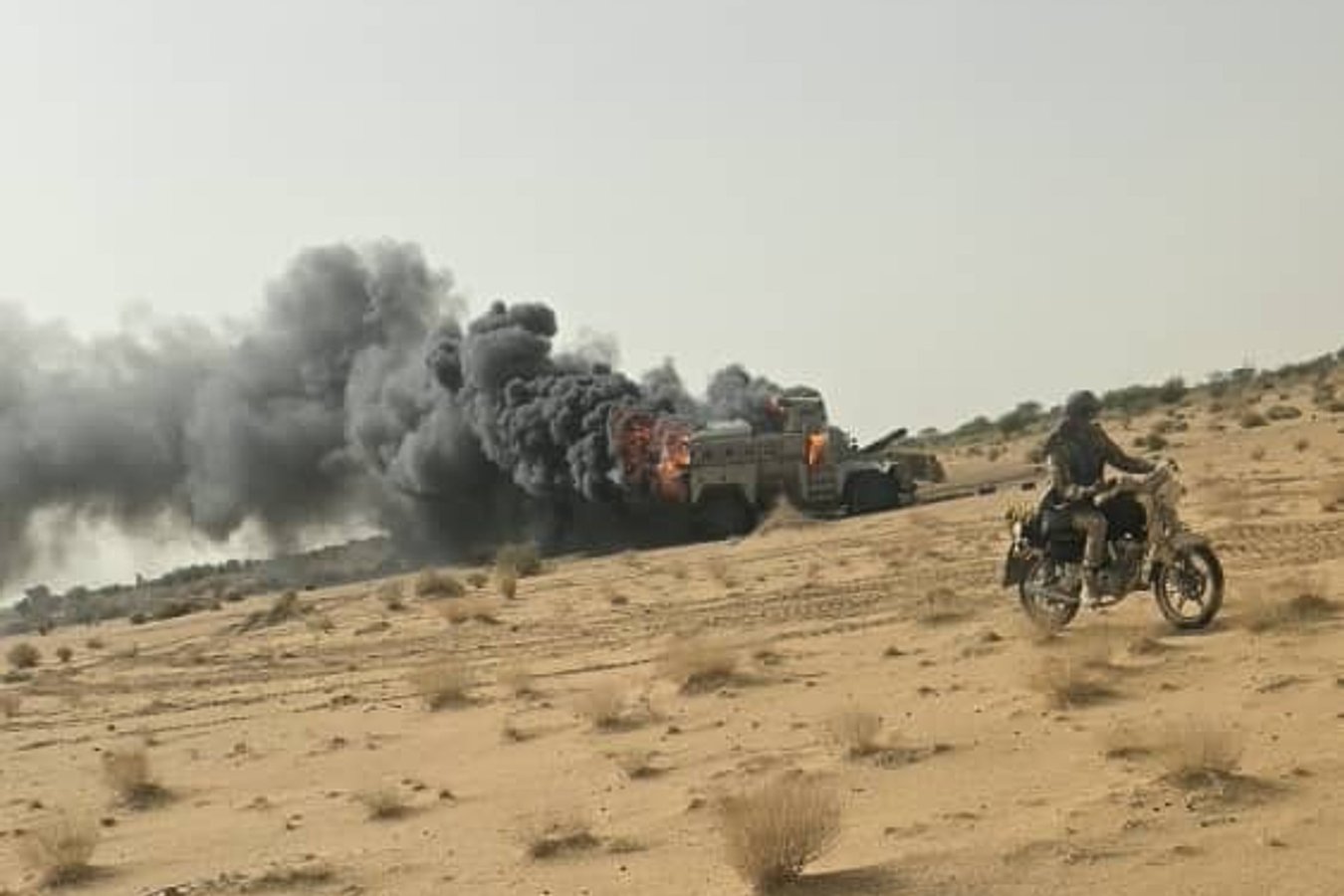

BAMAKO — The Trump administration is weighing direct military strikes against jihadist groups in Mali, American officials told The Washington Post on Wednesday, a deliberation that follows an ambush last week that killed at least 50 Malian soldiers and comes as Russia’s Africa Corps has entrenched itself as the Malian junta’s primary security partner in a region that Western governments spent a decade trying and failing to stabilize.
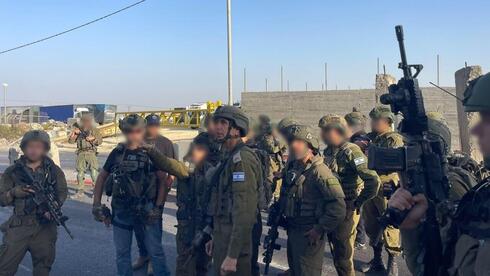
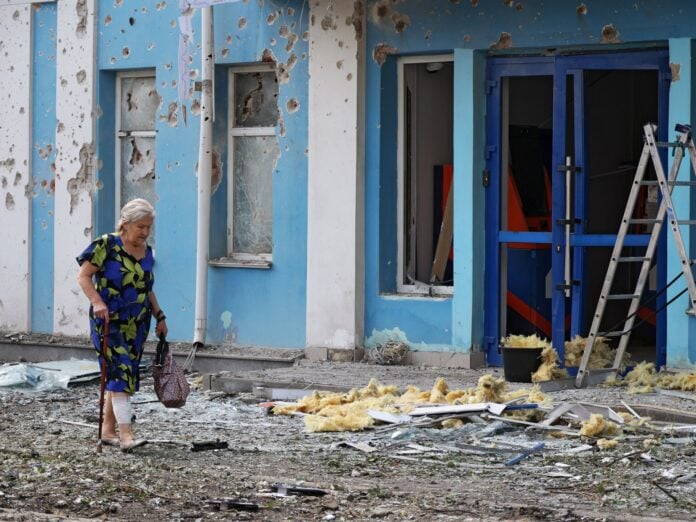
The ambush occurred on July 18 near Tabankort in the northern Gao region, when a military convoy traveling from Anefis was struck in a coordinated attack jointly claimed by the Jama’at Nusrat al-Islam wal-Muslimin, known as JNIM, and the Azawad Liberation Front, a predominantly Tuareg separatist coalition seeking independence for northern Mali. At least 50 soldiers were killed. The joint operation carried significance beyond its immediate death toll, because the two groups claiming responsibility have historically divergent objectives: JNIM is an al-Qaeda affiliate pursuing a regional jihadist campaign; the Azawad Liberation Front pursues an ethnic self-determination agenda focused on northern Mali’s Tuareg population.
“The Tuareg-led separatist and JNIM currently fight together because they share a common enemy,” an analyst at the Armed Conflict Location and Event Data project told Al Jazeera in analysis published Wednesday examining how shifting coalitions across Mali and the wider Sahel have altered the security landscape in ways that neither Bamako, Paris, nor Moscow fully anticipated. The convergence of groups with different political objectives complicates any targeted military response, whether from the Malian army, Africa Corps, or Washington.
The ambush at Tabankort is itself a consequence of Mali’s own strategic choices. The country’s military government, which came to power through successive coups in 2020 and 2021, expelled French forces and United Nations peacekeepers from MINUSMA before turning to Moscow for security support. Russia’s Africa Corps, the successor to the Wagner Group, has been Mali’s primary military partner since 2022. The relationship has not stopped the armed group advance. Tuareg forces retook the strategic town of Kidal in April 2026, reversing a government gain that had been celebrated in Bamako less than three years earlier, underscoring the limits of even well-resourced external military partnerships when the underlying political conditions remain unresolved.
Trump administration officials cited by The Washington Post did not specify which groups would be targeted, what legal framework would authorize strikes, or whether the Malian junta had been contacted. According to Al-Jazeera each of those questions poses a distinct obstacle. JNIM operates across three countries, with significant presence in Mali, Burkina Faso, and Niger, making any strike targeting its command structure in Mali inherently a regional act with cross-border implications. The junta’s cooperation cannot be assumed: Bamako’s explicit rejection of Western military involvement was the policy that cleared the way for Africa Corps in the first place, and there is no indication the government’s posture has changed.
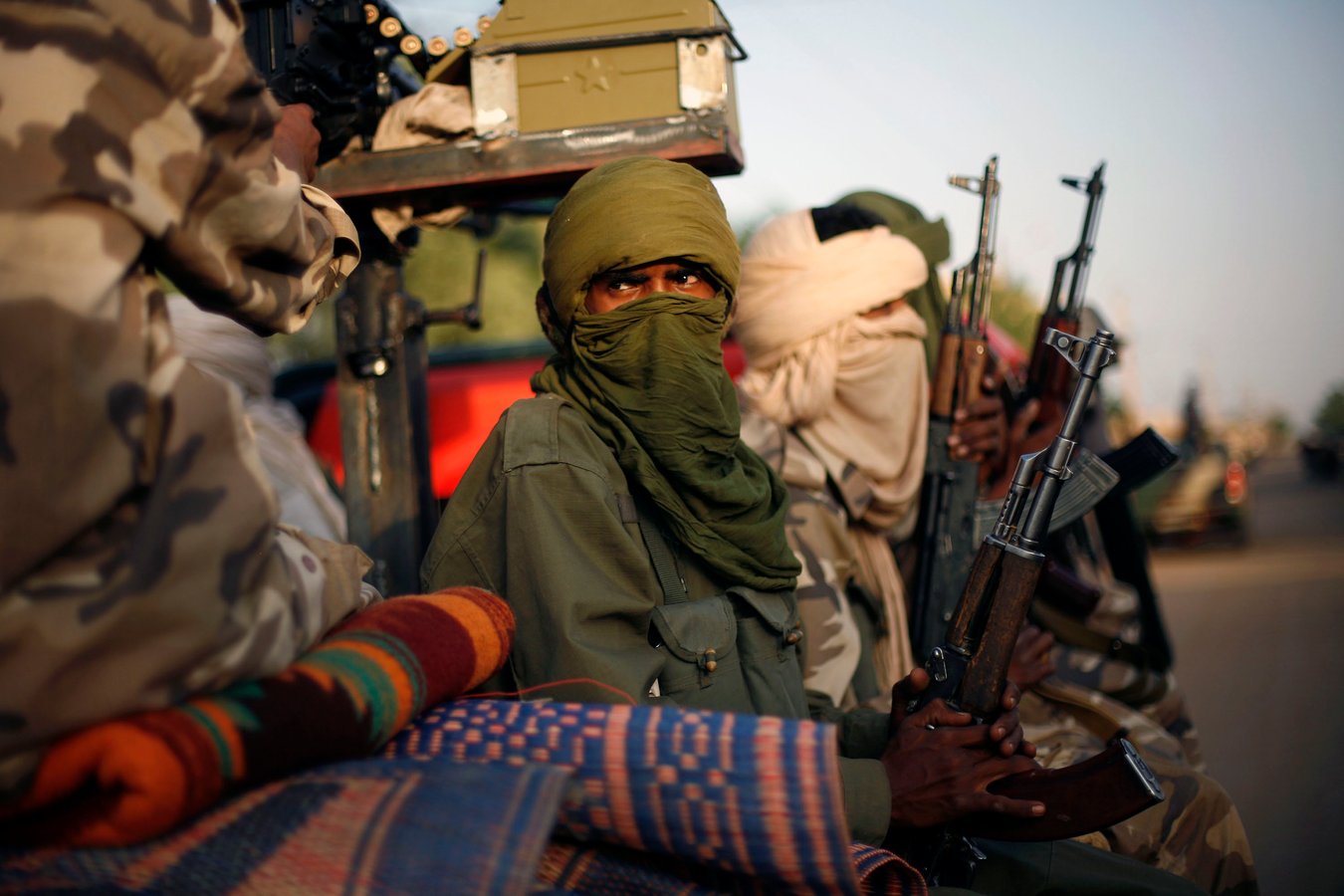
JNIM is described by conflict researchers as the single deadliest armed group of its kind operating in West Africa. It controls broad swaths of rural territory across the Sahel and sustains itself through extracting revenue from illicit flows across the porous borders of Mali, Burkina Faso, and Niger, three countries that have all experienced military coups since 2020 and all sought closer ties with Moscow afterward. The security breakdown has displaced more than 5 million people in Mali alone and disrupted agricultural production across a region already under persistent climate stress, creating a humanitarian crisis that armed group recruitment has exploited at every stage.
What the Trump administration has not publicly addressed is the degree to which the Sahel’s security collapse reflects the limits of prior Western interventions rather than their absence. France’s Opération Barkhane ran for nearly a decade across the region before it was ended by popular pressure and government expulsions. The United Nations Mission in Mali, MINUSMA, operated for ten years before Bamako’s junta demanded its departure. American counterterrorism forces were present in the region until 2023, when they were asked to leave. The armed group environment in mid-2026 is both more capable and more politically entrenched than it was at the moment Western forces departed.
Recent global polling found that 75 percent of respondents in middle-income countries perceive the United States as interfering in other nations’ affairs, a figure that outpaces perceived Chinese interference by 30 points. Any re-entry into the Sahel through military strikes would register within that frame, particularly in a region where anti-Western sentiment drove consecutive governments to expel foreign forces and invite Moscow’s partnership instead.
The Trump administration’s deliberations coincide with an active American military campaign in Iran that has now extended to its tenth consecutive night, ongoing weapons support for Israel, and diplomatic engagement with Russia over the Ukraine conflict. Adding a front in the Sahel, in a country that has explicitly rejected Western military presence, would require either a cooperating host government that does not currently exist or a unilateral posture whose legal basis and regional reception remain entirely unaddressed by officials cited in the reporting.
What the ambush near Tabankort made clear is that the security problem in the Sahel is not a deficit of military force but a proliferation of adversaries with converging interests and a political environment that has systematically closed the entry points through which previous responses operated. Whether American strikes authorized from Washington would reopen those channels, or definitively seal them, is the question the officials cited by The Washington Post have not yet answered publicly, and the question on which the coherence of any Mali strategy ultimately depends.