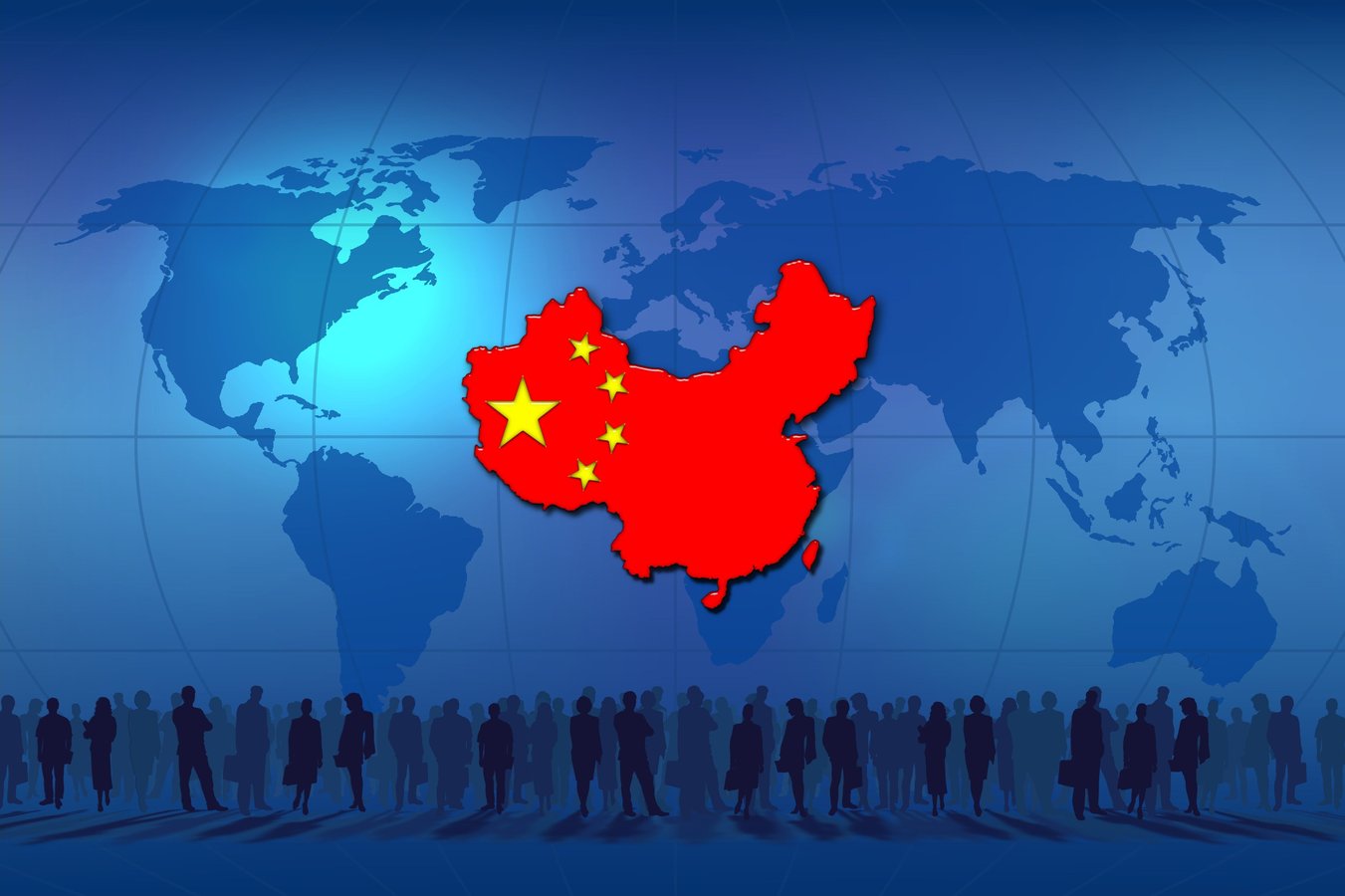

WASHINGTON – Three years ago, Canadians who viewed China favorably amounted to barely one in seven. By spring of this year, that number had jumped to nearly one in two. The 30-point swing is the sharpest national reversal in a sweeping global survey that found China’s image has now surpassed the United States for the first time in nearly two decades of international polling.
The Pew Research Center released the findings on Tuesday, drawing on interviews with 42,151 adults across 36 countries conducted between February and May of this year. The survey found a majority in 25 of those 36 nations now hold a favorable view of China, while the United States leads in only six. It is the first such inversion in roughly 20 years of Pew tracking.
The margin is not a rounding error. Among the 20 countries that Pew has surveyed annually since 2023, China’s median favorability has climbed from 32 percent to 51 percent. Over the same period, American favorability among those same countries fell from 58 percent to 36 percent, a swing of 44 combined points in three years.
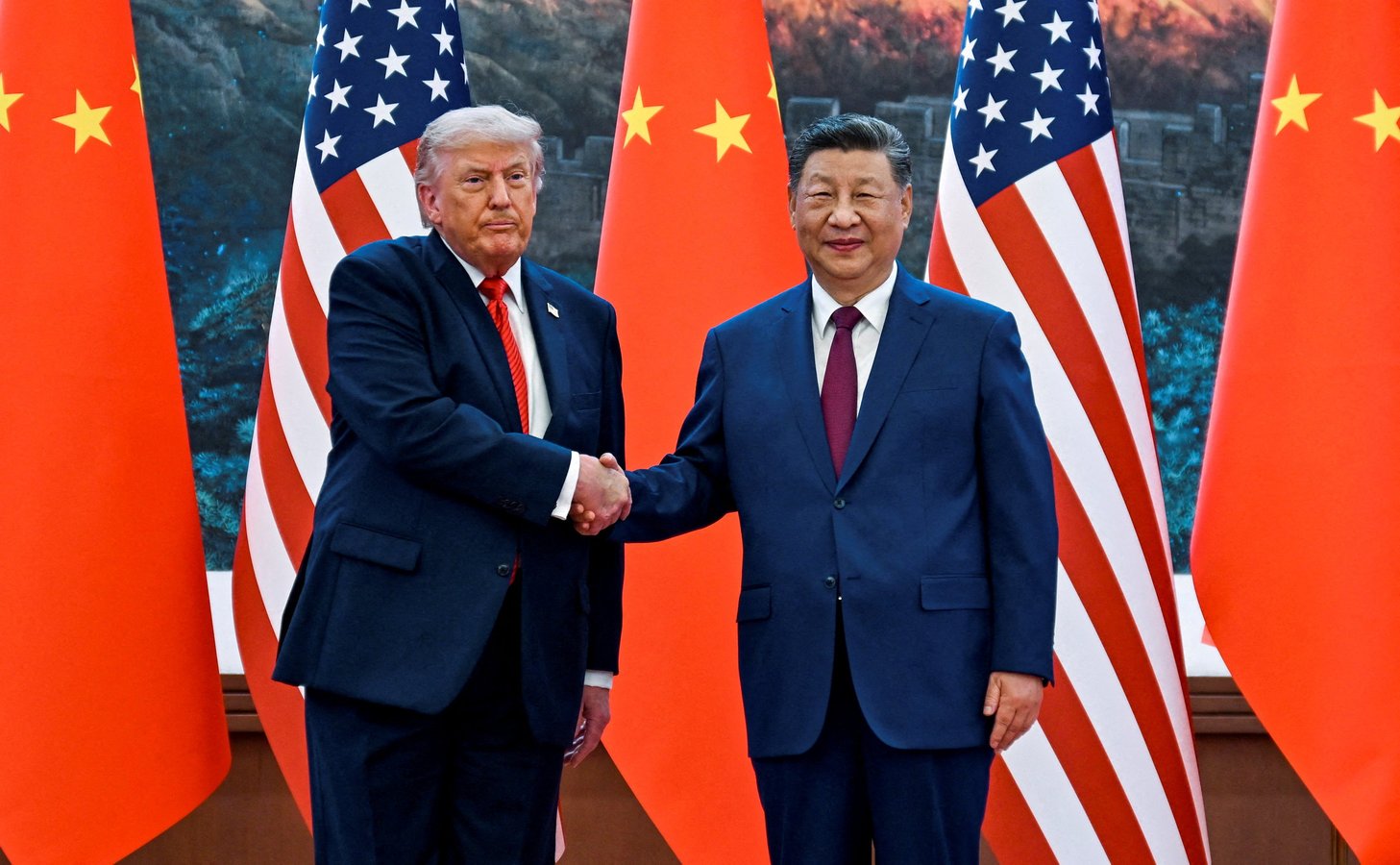
Confidence in the two leaders tracked the national numbers. More respondents now trust Xi Jinping to act responsibly in world affairs than trust Donald Trump, by a 10-point median margin across the 20 annually tracked countries. In Germany, Greece, Italy, the Netherlands, Spain, Sweden and the United Kingdom, Xi’s lead over Trump runs into double digits. In Britain, Xi’s confidence rating hit 37 percent, his highest mark in any UK polling to date.
“Views of the US have declined in many places, and the share of people saying that the US is a reliable partner to their country has similarly fallen sharply,” Jonathan Schulman of the South China Morning Post quoted a Pew researcher as saying in analysis published Wednesday.
The personal freedoms question, long an American advantage in global polling, has not disappeared, but it has narrowed substantially. Sweden once rated the United States as respecting personal freedoms at 61 percent in 2021; the same figure stood at 27 percent this year, a collapse of 34 points. Canada, France, Germany, Italy, the Netherlands, South Korea and Spain all recorded declines of 25 points or more over the same period. China’s standing on the same question remains low, with 75 percent or more in North America, Europe, Japan and South Korea saying Beijing does not respect personal freedoms, but the trend lines are converging quickly.
The country-level data reveals a pattern organized around income. Middle-income nations in Africa, Latin America and South and Southeast Asia tended to view China most positively. Nine in ten Pakistanis held a favorable view of China; the figure in Japan was 11 percent. South Africa reported viewing China as a reliable partner at 72 percent, compared with 46 percent for the United States. Sub-Saharan Africa and Latin America broadly recorded China rising as American credibility has fallen.
Among wealthier nations, the shift is slower but it is there. Italy recorded a 20-point jump in China’s favorability in a single year, from 31 percent to 51 percent. Spain added 17 points. Singapore, which combines high per-capita income with a Chinese-majority population and deep commercial ties to Beijing, posted 70 percent or higher favorability for China, a consistent outlier among advanced economies. The countries where US favorability still eclipses China’s are largely concentrated in the Asia-Pacific: India, Japan, the Philippines and South Korea all favor the United States, a bloc bound together by security relationships with Washington.
The survey’s 36-country scope does not include Russia or most of Central Asia, so any global median carries a structural gap. It also cannot account for shifts since May; the data was collected before additional rounds of US strikes on Iranian territory, which may register differently in subsequent polling cycles.
What the numbers mark, more precisely, is the first recorded moment in Pew’s institutional memory when the global scale tipped this way across so many countries simultaneously. When former President Biden held office, confidence in the United States abroad consistently outpaced confidence in Xi Jinping. That advantage vanished quickly after January 2025. Pew traces the change to overlapping American policies: tariff regimes that alienated close trading partners, a public withdrawal from multilateral institutions, and a broadly perceived posture of interference in other nations’ affairs.
On the interference question, the gap is telling. A median of 75 percent of middle-income country respondents said they view the United States as interfering in other nations’ affairs; the figure for China was 45 percent. No country in the survey reported perceiving more Chinese interference than American interference, even as Beijing has expanded its diplomatic footprint and its semiconductor manufacturing ambitions placed it in direct economic rivalry with Washington.
Whether the shift proves durable depends on variables the survey cannot measure: the outcome of ongoing American military engagements, election cycles in both countries, and whether China’s own behavior in its near-abroad generates a backlash that current polling has not yet captured. The Pew data records sentiment at a moment, not a trajectory. What it cannot tell is whether the world’s current preference for Beijing reflects genuine admiration or simply exhaustion with Washington. That distinction is the question this survey leaves most conspicuously unanswered.