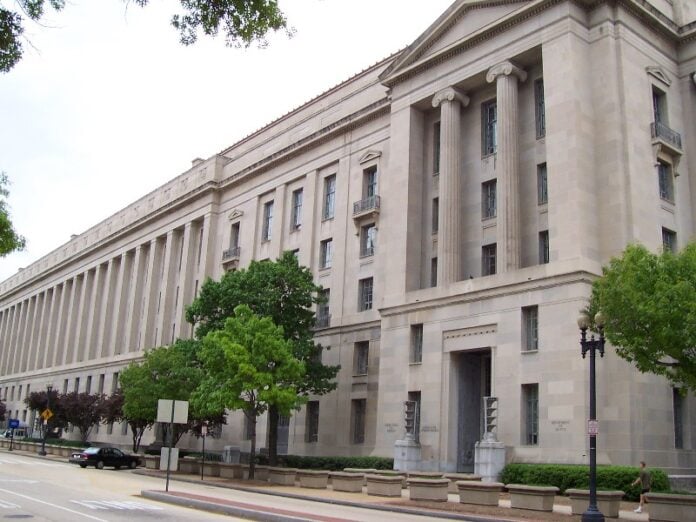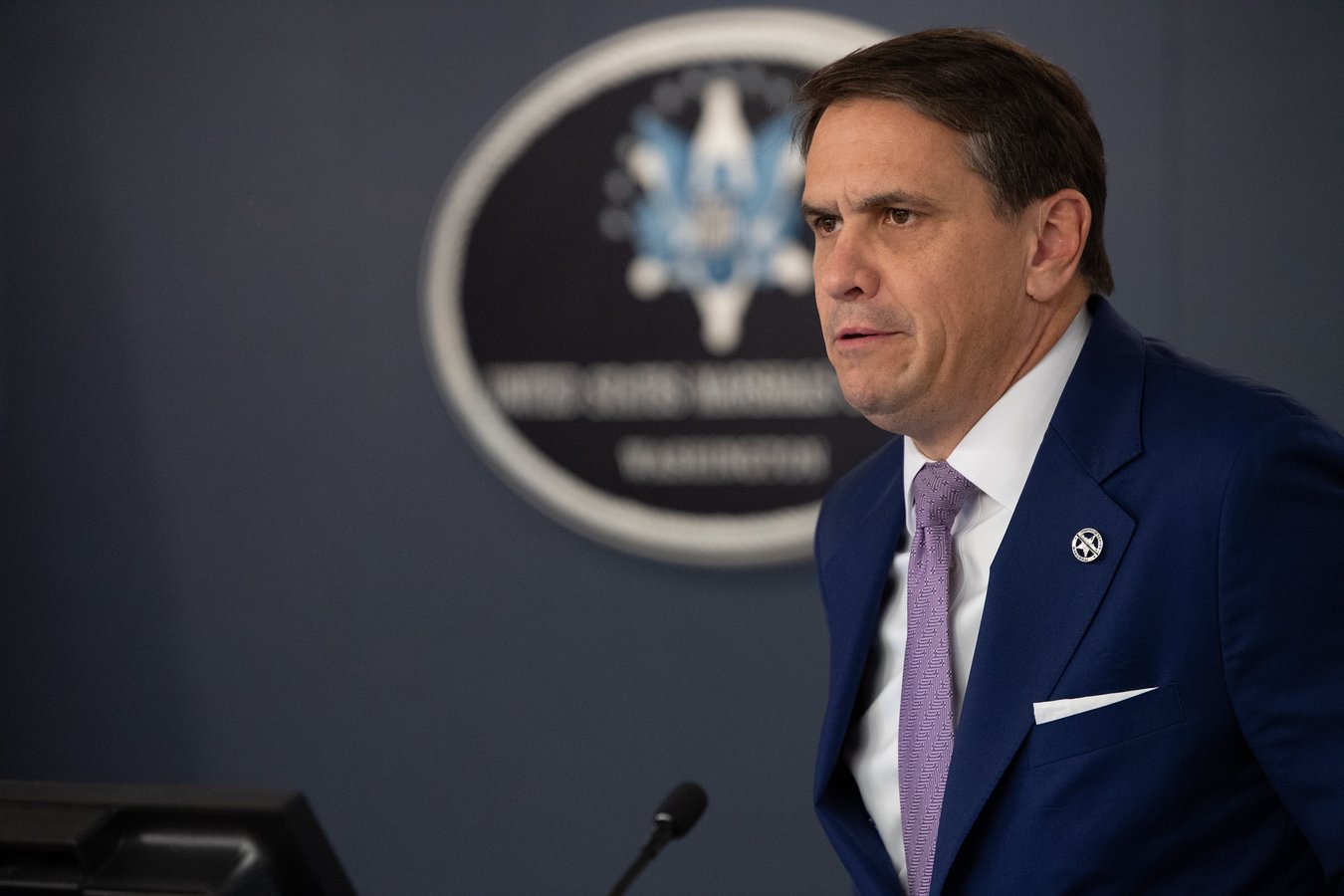

WASHINGTON — New Mexico Attorney General Raúl Torrez filed a federal lawsuit against the Justice Department this week, seeking to compel the release of unredacted Epstein investigation files that his office says are essential to an active criminal prosecution. The filing arrives as Acting Attorney General Todd Blanche acknowledged before a Senate committee that his department made “redaction mistakes” in handling documents Congress had specifically ordered made public.
The lawsuit targets records related to Jeffrey Epstein’s Zorro Ranch, the roughly 8,000-acre New Mexico compound where at least ten women and girls have said they were groomed or sexually assaulted. Torrez’s office has made six separate requests for cooperation since February and received nothing substantive in return. In a letter to Blanche dated June 30, Torrez warned that “every day that the USDOJ withholds these records, the foundation upon which a New Mexico prosecution could be built erodes.” Witnesses relocate. Memories fade. Evidence degrades.
The filing transforms what began as a state-federal dispute into a legal confrontation that a federal court will now have to resolve: whether the Justice Department can continue withholding documents that a state law enforcement agency says it needs to prosecute active crimes within its borders.
Torrez’s decision to sue came after months of what his office described as verbal assurances from federal officials that produced no documents. The New Mexico attorney general had been pressing for access since February, when his office reopened its criminal investigation following the Justice Department’s initial release of Epstein files under the Epstein Files Transparency Act. That act, signed by President Donald Trump in November, prohibited withholding documents based on “embarrassment, reputational harm, or political sensitivity” to public figures. According to the attorney general’s office, the department’s response to six separate requests had been silence.
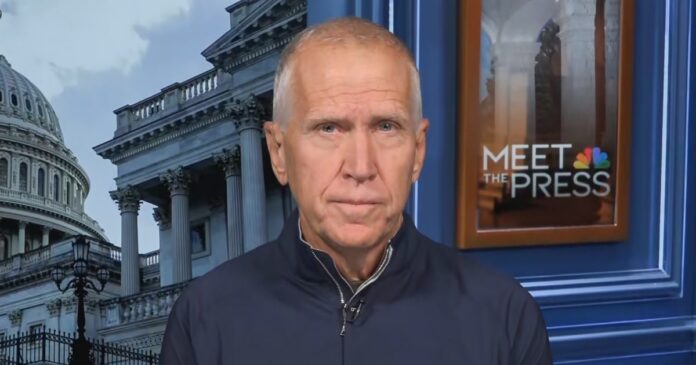
Blanche’s July 15 appearance before the Senate Judiciary Committee placed him in an uncomfortable position. Asked about the handling of the Epstein file release, he acknowledged that errors had occurred. The process, he said, amounted to “a herculean task to review millions and millions of potentially responsive materials,” and he stated that his team had worked to correct problems as they emerged. He accepted responsibility for what went wrong, while offering no specifics about what had been improperly withheld or why.
Those errors, a subsequent NPR investigation found, included a specific and troubling category. The Justice Department withheld investigative files related to allegations that Trump sexually abused a minor, and removed documents naming Trump from the public database the department had established for the release. Both actions violated the plain language of the Epstein Files Transparency Act, which Congress had written with explicit prohibitions against politically motivated withholding. Blanche did not directly address those specific findings during his confirmation hearing.
House Oversight Committee Chair James Comer has since announced plans to interview Blanche about the files. Democrats on the committee have pushed for that appearance since May, when Pam Bondi appeared before the panel and invoked Blanche’s name more than 30 times, attributing day-to-day management of the file release to him. Bondi had been removed from the attorney general post by Trump in April, shortly after her congressional appearance.
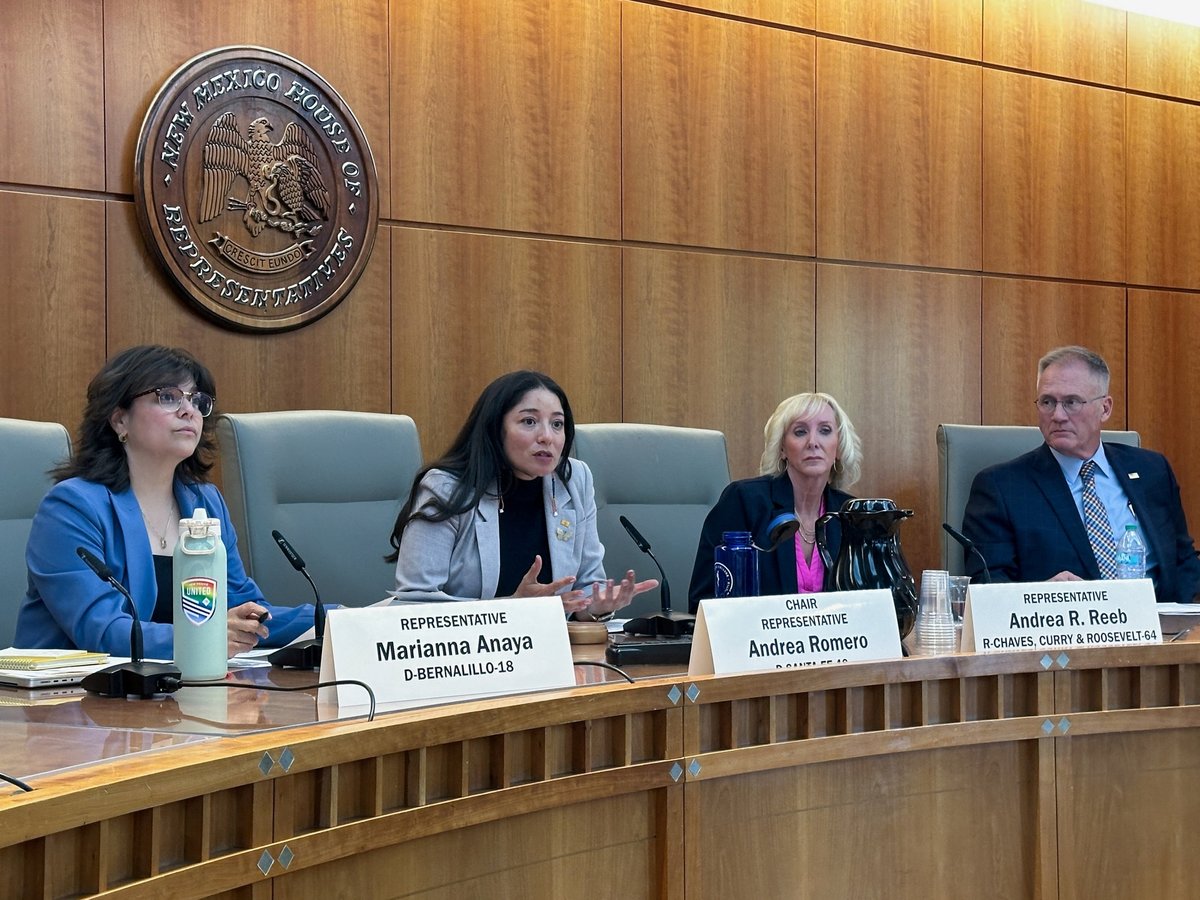
The state’s lawsuit carries a history that complicates the federal government’s legal position. In 2019, prosecutors from the Southern District of New York asked New Mexico’s then-attorney general, Hector Balderas, to stand down from his state’s own investigation into Zorro Ranch, promising to share materials that could support future state charges. Balderas complied, turning over police reports and recorded interviews. He never received anything useful in return. Balderas has since described the arrangement as “a one-way relationship” and called the continued withholding of files from his successor “completely appalling.” The FBI, according to internal emails released this year, never searched Zorro Ranch during its original Epstein investigation, even as internal correspondence shows federal officials discussing the property in the days after Epstein’s death in federal custody in August 2019. That documented pattern of one-sided cooperation now forms part of the factual record Torrez’s attorneys will present in court.
The Justice Department has not responded publicly to the lawsuit. A department spokesperson has previously stated that the DOJ “has not refused to assist any jurisdiction” investigating conduct related to Epstein. That position is harder to sustain in the face of a court filing that details six unanswered requests, a June 30 letter that produced no reply, and a failed attempt by Torrez to arrange an in-person meeting in Washington last month.
The Reporters Committee for Freedom of the Press, publishing an analysis of Blanche’s full record this week, documented that the Epstein files question sits alongside a broader pattern of transparency concerns. During his tenure as deputy and then acting attorney general, Blanche authorized grand jury subpoenas to reporters from The New York Times investigating the Qatar Air Force One story. Those subpoenas were withdrawn after a federal judge questioned whether the department had followed its own news media guidelines. U.S. District Judge Arun Subramanian stated that subpoenas to journalists should be “the last step, not the first step.” In April 2026, the department’s Office of Legal Counsel issued a memorandum declaring the Presidential Records Act unconstitutional, a position a federal judge later blocked by preliminary injunction.
The DOJ’s internal watchdog is separately reviewing whether the department complied with the Epstein Files Transparency Act during the release process. That inquiry runs in parallel with Torrez’s lawsuit and the Oversight Committee’s investigation. The department has also faced separate judicial pressure over its handling of court orders related to the file release, a confrontation the DOJ had previously refused to acknowledge as it accumulated requests from state and federal officials alike.
What remains unknown is the full scope of what was withheld and why. Blanche’s acknowledgment at his confirmation hearing addressed process failures. NPR’s findings identified a specific category of politically sensitive documents. New Mexico’s lawsuit targets a third category: operational investigative materials needed for a state prosecution. Whether those three categories of missing records overlap, and by how much, is not yet established. The answers may depend on what a court orders the Justice Department to produce, and when.
The Senate Judiciary Committee advanced Blanche’s nomination after he agreed at the July 15 hearing to abandon a provision that would have extended IRS protections to Trump and his family. The full Senate vote is pending. Blanche’s confirmation, if it proceeds, would give him permanent authority over the same files he has spent months defending against scrutiny.