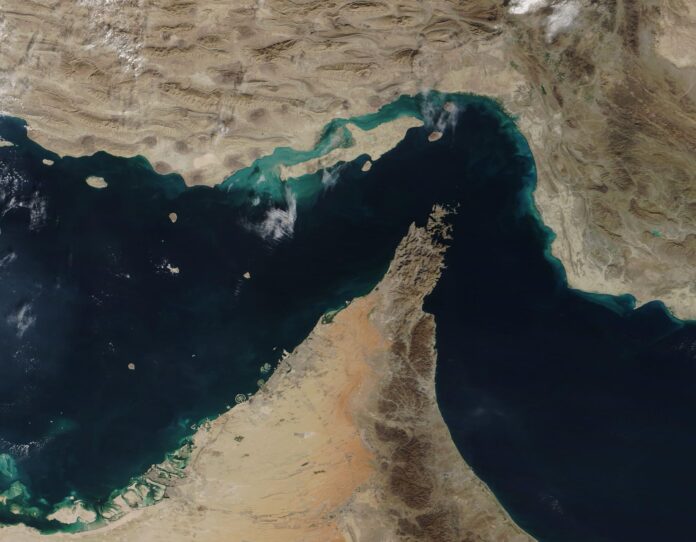

WASHINGTON — A tanker captain approaching the Strait of Hormuz this week is being told three different things by three different authorities. The Revolutionary Guards say the strait is closed. US Central Command says roughly 20 million barrels are still moving through it. And the maritime incident logs, which do not take sides, record tankers being hit.
That contradiction is the story of the past fifteen days. After a United Nations week that produced a draft route toward a 60-day deal, the Iran war has settled into something harder to end than a battle: a bargain that neither Tehran nor Washington can afford to close, and neither can afford to walk away from. Two elections, Israel’s on October 27 and the American midterms on November 3, now sit over every decision, and officials on both sides insist they do not.
The war began on February 28. A US naval blockade followed in April, a June memorandum eased it, and the ceasefire collapsed on July 8 after Iranian attacks on commercial ships in the strait, according to Wikipedia’s running chronology. Washington reimposed the blockade in mid-July. Everything since has been argued inside that frame.
The last good news arrived in New York. Foreign Minister Abbas Araghchi met US envoys Steve Witkoff and Jared Kushner in talks mediated by Qatar, Pakistan and Egypt, and Iran floated a regionwide pause of up to 60 days with a phased reopening of Hormuz and an end to the blockade. Benjamin Netanyahu called the Iran ceasefire roadmap a trap on September 24, and Trump ruled out lifting the blockade first. Neither position has moved since.
What moved instead was the sea. At least a dozen ships were attacked in the week ending October 5, the highest weekly count since the war began, Al Jazeera reported. UK maritime authorities logged five incidents on October 5 alone, four of them tanker attacks. On the same day Parliament Speaker Mohammad Bagher Ghalibaf said the strait stays shut until seven conditions drawn from the June memorandum are met. The figures for how much oil is actually passing disagree sharply: the IMF’s PortWatch tracker counted just four transits on October 4 against a pre-crisis baseline of about 85 a day, while Kpler put crude flows for the week to October 7 at 8.5 million barrels a day, about 40 percent below normal, Al Jazeera reported.
On October 6, President Masoud Pezeshkian declared negotiations with the United States “meaningless,” saying Iran had been attacked three times after earlier talks. He then said Tehran had revised its proposals and was ready to finalise them through the mediators, a reversal inside a single news cycle that tells you how little room anyone has to say yes out loud. What Iran wants is a return to the collapsed June memorandum and American backing for an Iran-Oman arrangement on temporary coordinated shipping routes.
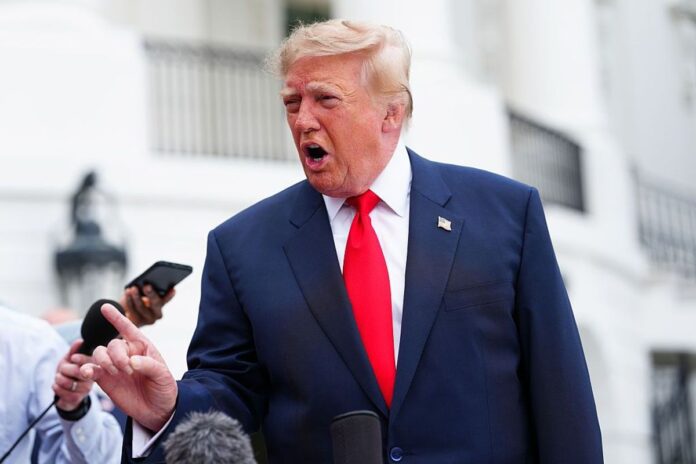
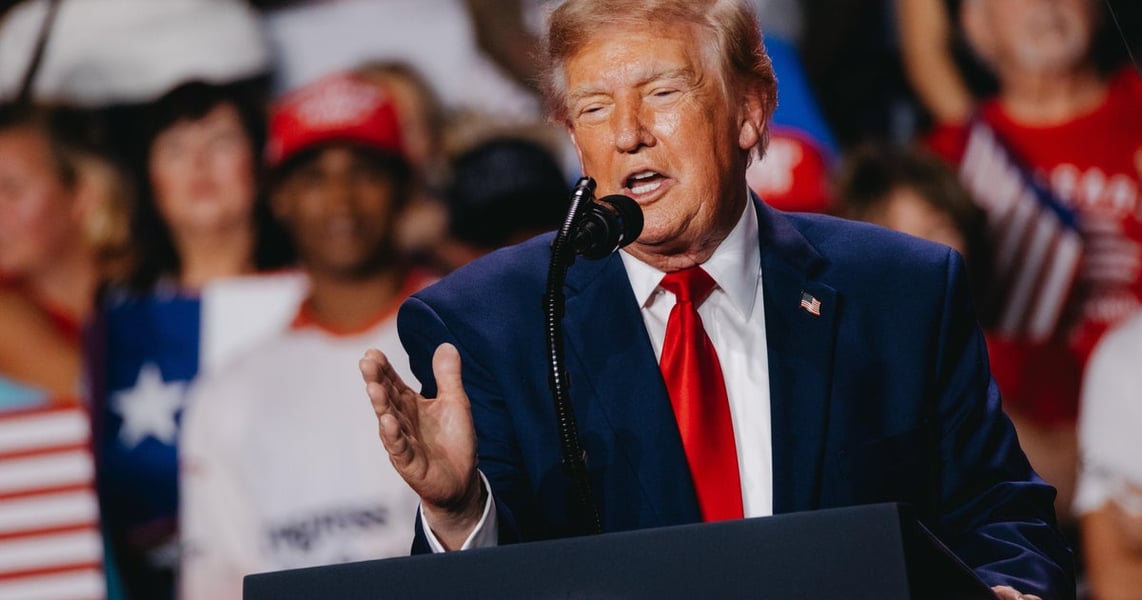
Washington’s messages have been harder to square. On October 8 Trump said the blockade “will remain in full force and effect” and that the United States would not strike Iran before the midterms, Axios reported. On October 9, at a rally, he told Iran it must “give us everything.” The same week, Israeli television reported US commanders had been told to prepare for a major attack within three weeks, and Israel’s military chief of staff reportedly warned that a strike could force a delay of Israel’s own election, the Times of Israel reported. Both things cannot be fully true. The only deadline on record came from Tehran, in the Iran Hormuz ultimatum its security chief gave Washington last month, and nothing in the past fifteen days suggests either capital is bound by one.
The blockade itself is the clearest American instrument. Since mid-July CENTCOM says it has disabled four commercial vessels, turned back 135 ships and destroyed ten tankers it links to Iran, and Washington says Iran has exported no oil through the cordon. On October 11 a US fighter bombed the stern of a Panama-flagged cargo ship in the Gulf of Oman to disable its propulsion, in footage CENTCOM released. Washington also sanctioned 17 more vessels in what it calls Iran’s shadow fleet, CBS News reported.
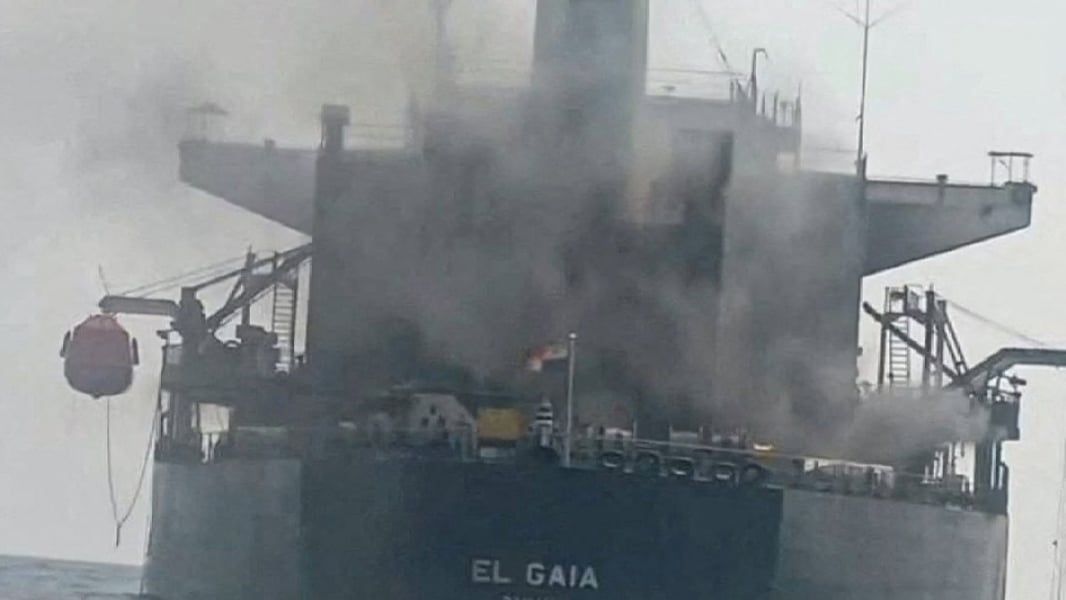
And the sea fights back on its own terms. On October 10 the Guards said an unnamed supertanker hit a mine and burned after taking an unauthorised route with its tracking switched off, an IRGC tanker mine fire in the Strait of Hormuz that Eastern Herald reported with the caveat that the ship was unnamed and the account unverified. A day later the UAE coastguard rescued 22 crew from a burning tanker off its coast, cause unstated, and an unidentified projectile struck an outbound tanker in the strait.
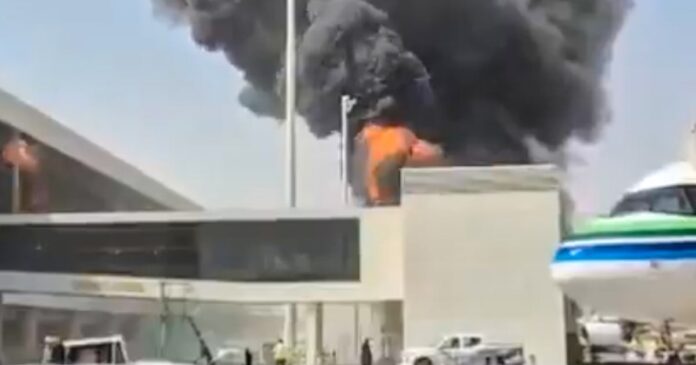
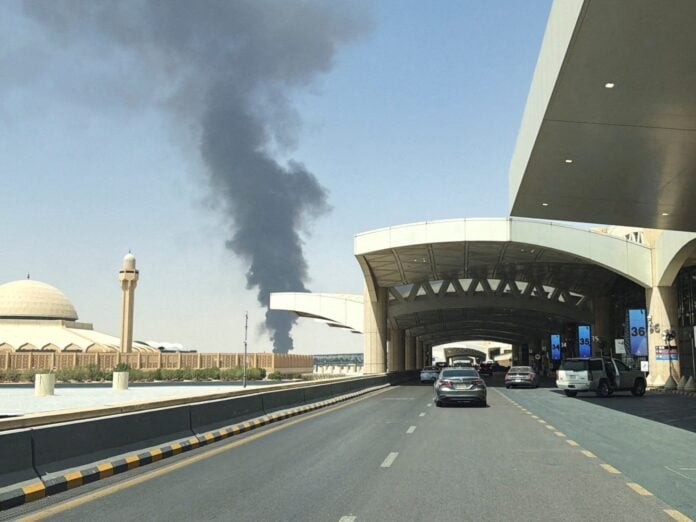
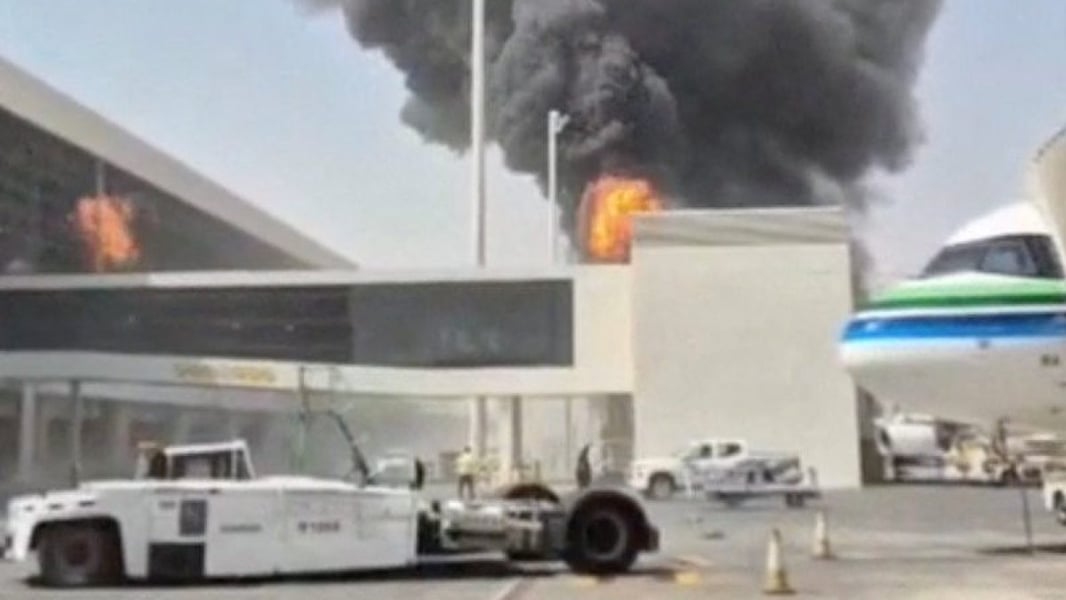
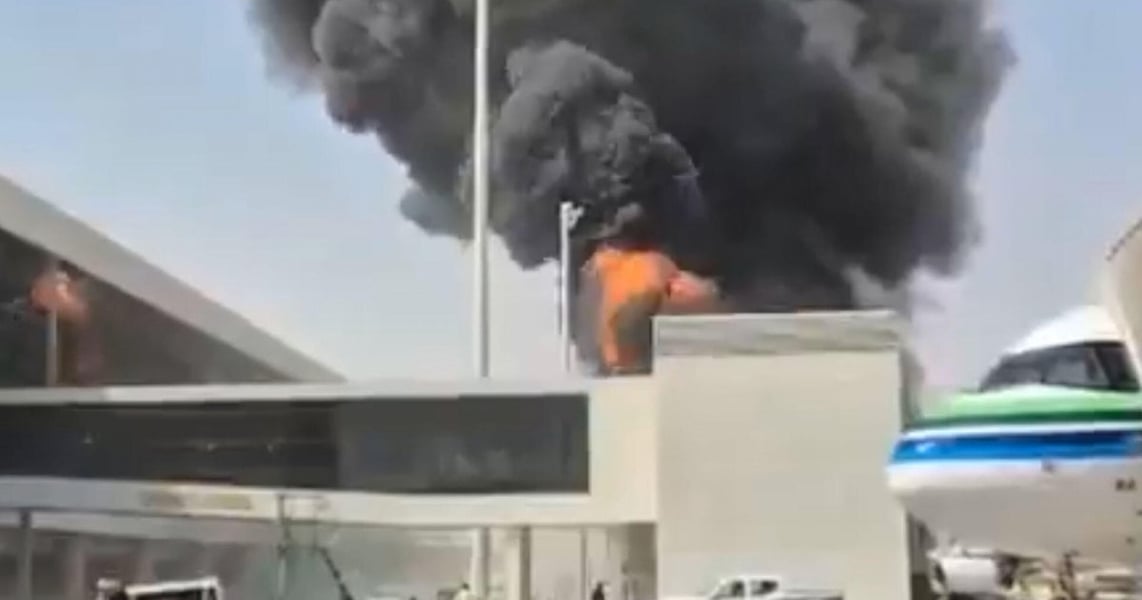
The war has also found a second front in Saudi Arabia, and it is killing civilians. On October 8 Houthi missiles hit King Khalid International Airport in Riyadh, killing three Saudi citizens including Saudia pilot Captain Hamoud Ali Alkalthami, Saudi aviation authorities said. Riyadh’s airport stayed shut for days and schools moved online. The Houthis, an Iran-backed movement, have also claimed strikes on Saudi energy sites, as set out in Eastern Herald’s reporting on Houthi attacks on Aramco and Riyadh flights, though Saudi officials have not confirmed the damage, and they have warned airlines off Saudi airspace except over Mecca and Medina.
Saudi Arabia has not stood alone. Pakistan and Turkiye agreed in Riyadh to send forces under the Mecca pact troops deployment, though Pakistan’s foreign ministry says its troops would defend Saudi territory, not cross into Yemen. The Saudi-led coalition has promised a “decisive” response, and CBS News reports that Trump is weighing joining strikes in Yemen. Governments from the Gulf to Europe have condemned the attacks on civilian airports.
Casualty numbers deserve care. Saudi authorities and Al Jazeera put the October 8 airport toll at three dead. The coalition has since reported 12 dead and 309 injured in the airport attack, and CBS counts at least 20 killed in Houthi attacks across a week, including a US national. These may describe different events and different time spans, and none has been independently reconciled.
Oil is where the war touches everyone else. Brent traded between roughly $98 and $108 in the window, near $103 on October 10, against a 2026 peak above $126. Goldman Sachs estimates Gulf exports recovered to about 23.3 million barrels a day in September, though that includes cargoes moving with tracking off, and Saudi Arabia has restarted its East-West pipeline to bypass Hormuz. Saudi Aramco’s chief executive says inventories are thin and markets will stay under pressure until the strait fully reopens. Last month a Houthi strike sent the Brent crude oil price to $108.23 before an Iranian offer pulled it back. Hurricane Isaias then shut in Gulf Coast production on October 8, a second supply shock that had nothing to do with the war.
Behind the shipping is the nuclear argument that never left. Vice President JD Vance says Iran must make a “meaningful” cut to its enrichment capacity. Iran’s Atomic Energy Organization spokesman Behrouz Kamalvandi says Tehran will pursue its interests through diplomacy if it can and “in the field of battle” if it cannot, and Iran says it may dilute high-enriched uranium in later talks but will not give up enrichment. Army chief Habibollah Sayyari says forces are ready for defensive and offensive operations.
Putin has offered to help end the war, and Trump has talked up “productive discussions,” yet analysts quoted in the reporting see no sign that the core demands have moved closer. Trump and Iranian officials both say the midterms are not a factor in the talks, which is a claim neither side’s timetable obviously supports.
What nobody has explained is the one question that decides the next fifteen days: whether the American planning leaks are leverage or intent. A president who says no strikes before November 3 and a Pentagon that has reportedly been asked for options cannot both be describing the same calendar. Until one of them blinks, the only thing moving in the Strait of Hormuz is the fire.