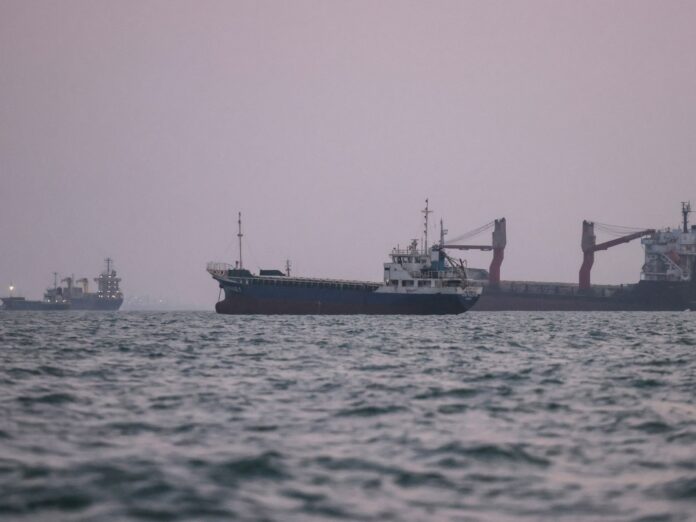

TEHRAN — A crude-oil tanker erupted in flames in the Strait of Hormuz on Saturday after hitting a naval mine, according to Iran’s Islamic Revolutionary Guard Corps, which said the ship had taken a route Tehran had not approved after switching off its navigation and positioning systems. The Guards did not name the vessel, and the claim could not immediately be verified.
The IRGC Navy said the supertanker suffered a powerful explosion on striking the mine and was engulfed in a large fire, with flames visible from the coast, Iran International reported, citing Iranian state media. The Guards gave no details of the crew, cargo, ownership or exact location. The Jerusalem Post, relaying Reuters, reported that they also did not specify the ship’s name or flag.
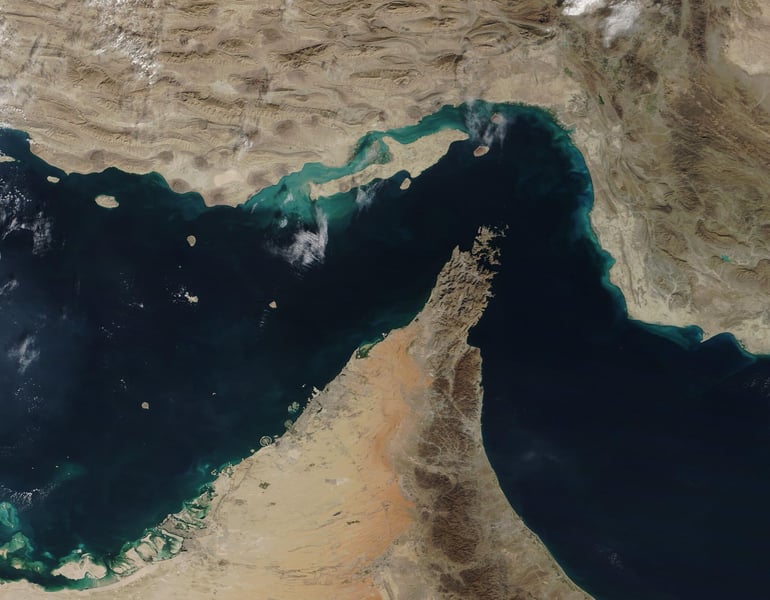
The claim lands in a waterway that normally carries roughly a fifth of the world’s oil and gas shipments and has been effectively closed since the war between Iran and the United States began on February 28, Euronews reported. Iranian missile and drone strikes on commercial vessels and a US blockade of Iranian ports followed, it said, while oil exports from other regional producers have returned to pre-war levels in recent days.
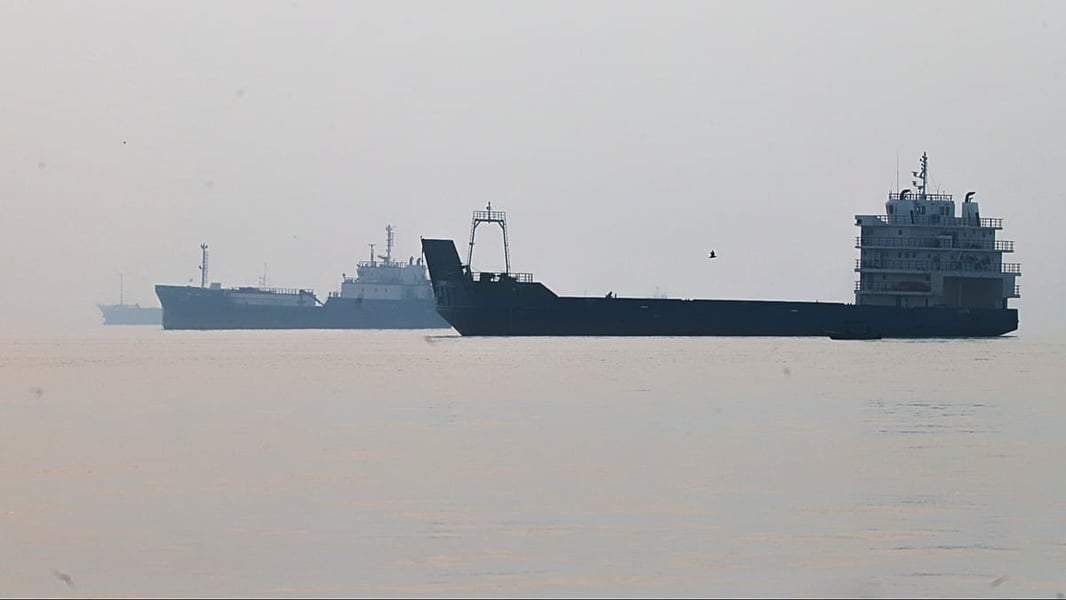
The incident follows a surge in attacks on shipping around the Strait of Hormuz. At least 12 attacks, attempted attacks or harassment incidents targeting oil tankers and gas carriers were recorded between September 28 and October 5, the highest weekly figure since the war began, according to media reports cited by Euronews. On Friday, the IRGC claimed responsibility for setting the tanker MV Sun Shine ablaze, saying it had targeted the engine room and propulsion system after the ship used what it described as an unauthorized route. Saturday’s statement did not name its tanker, and nothing in the reports reviewed links the two vessels.
Traffic through the strait remains about 75% below pre-conflict levels, according to the latest weekly report from the UK Maritime Trade Operations centre, which recorded 11 attacks on commercial vessels over the past week, 10 of them in the strait, Iran International reported.
Tallies of the recent attacks differ by source. Kpler recorded 10 tankers struck in the strait between September 28 and October 4, a weekly record well above the previous high of six, CNN reported. The Euronews figure of at least 12 covers one more day and also counts attempted attacks and harassment, while the UKMTO count of 11 attacks includes one in the Persian Gulf.
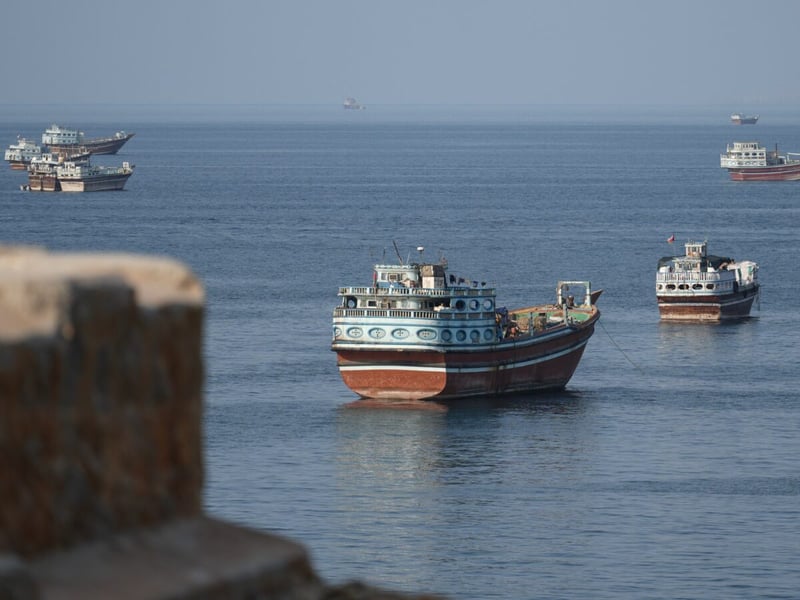
Mines have struck ships there before. Two sailors died on September 2 when the Saudi tanker Sidr was mined in the strait, and Gulf states demanded an end to the escalation.
Iran has signalled no softening. Hojjatoleslam Mohammad Javad Ali-Akbari, Tehran’s Friday prayer leader, told his weekly sermon that the strait would remain closed until Iran’s conditions were fully met, adding that Iran had set out seven conditions, Euronews reported.
President Donald Trump said on Thursday that the United States would not attack Iran before the November 3 midterm elections, adding that his team was having “productive discussions” with Tehran, AP reported. The Pentagon has nonetheless drawn up plans for an intensive three-day campaign against Iran’s missile and drone arsenal, energy facilities and other military sites, The New York Times reported, according to Anadolu Agency.
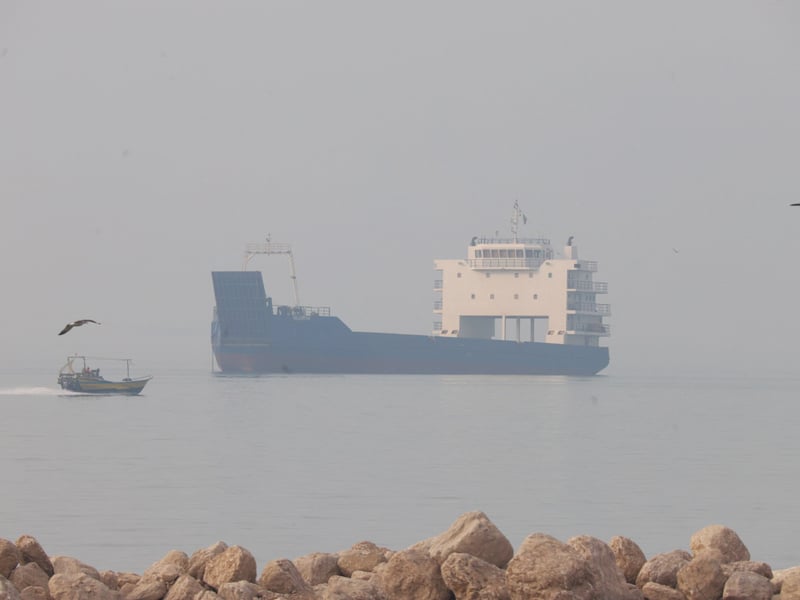
The Guards’ description of the route as unauthorized reflects Tehran’s position. The reports reviewed did not describe any legal basis the Guards offered for requiring ships to seek Iranian approval to leave the strait. Their claim that the tanker switched off its tracking systems has not been separately verified, and the reports did not say who laid the mine. Switching off transponders is common in the strait: Al Jazeera reported on October 8 that captains of larger ships and tankers must turn off their lights and transponders to make the journey.
The tanker still has no name, no flag and no crew list. As of Saturday evening, what exists is a statement from the Guards and a fire that, by their account, could be seen from the shore.