
DUBAI — The names of the two Filipino sailors killed aboard the Saudi oil tanker Sidr in the Strait of Hormuz on Tuesday have not been released. What is known is that they were working a commercial vessel in the world’s most dangerous shipping lane, and that they did not come home from this voyage.
Iranian forces deployed mines against the Sidr as it transited the strait, according to claims from the Islamic Revolutionary Guard Corps, confirmed in broad terms by Bahri, the Saudi National Shipping Company that owns the vessel. In a dispatch on the attack, Bahri acknowledged the Sidr had been “involved in a security incident.” Saudi Foreign Minister Prince Faisal bin Farhan called for an immediate halt to attacks on commercial maritime traffic and respect for international maritime safety law.
The two dead are the most visible casualty in a pattern of attacks on Bahri vessels stretching back to July, when the tanker Wedyan was struck in the strait. The Masa and Amzan followed in the Red Sea between July and August. Tuesday’s attack on the Sidr is the fourth Bahri vessel struck since the Iran-US war began in February — and the first to produce a confirmed death toll. The Philippines supplies an outsized share of the world’s commercial maritime workforce, with hundreds of thousands of Filipino seafarers deployed to Gulf and Red Sea routes throughout the seven-month conflict. Filipino maritime workers have consistently borne the human cost that commodity markets record only as a freight premium and insurance surcharge.
Gulf Arab governments moved swiftly to condemn the attack. Kuwait described it as a “heinous assault” amounting to a “grave violation” of international law and maritime norms. Qatar called it a “flagrant violation” of freedom of maritime navigation. Jordan, landlocked but politically aligned with Riyadh, offered “absolute solidarity” with Saudi Arabia. The Saudi response has remained calibrated at each previous Bahri loss: diplomatic condemnation, no military retaliation, no public break with the Gulf Cooperation Council’s policy of avoiding direct confrontation with Tehran.
That restraint is under greater strain with every vessel struck.
Iran’s maritime campaign in the strait is inseparable from its broader war posture. Tehran has listed its conditions for restoring commercial transit through Hormuz: US compliance with the June 18 Islamabad-brokered understanding that briefly restrained both sides, meaningful sanctions relief, the release of frozen Iranian assets, and a halt to American military strikes on Iranian soil. None of those conditions has been met. US forces struck IRGC and Basij positions in Kermanshah and on Lavan Island in the past 48 hours, killing seven Iranian personnel by Iranian accounts — the latest exchange in a cycle of strikes and maritime countermeasures that has resisted every diplomatic effort to interrupt it.
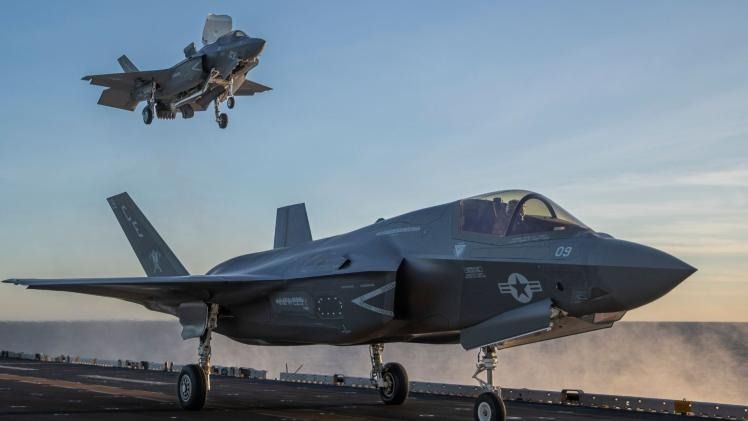
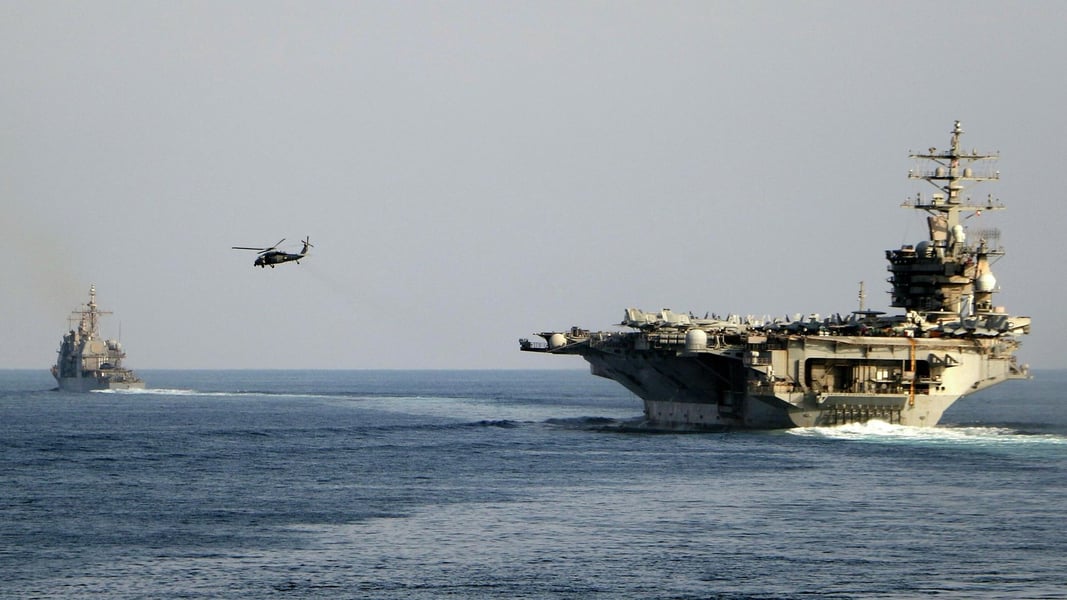
US President Donald Trump further complicated the diplomatic picture this week by floating a proposal to rename the waterway as “Trump Strait,” asserting that American naval power now effectively controls it. The suggestion has no foundation in international maritime law. It does not alter the tactical reality: US Navy carrier groups, Iranian naval and air assets, and commercial vessels operated by Saudi and other Gulf companies are operating simultaneously in the same 21-mile-wide channel.
Iran’s warnings to Gulf Arab governments — that proximity to American military operations carried its own risk — arrived alongside pressure through Oman and Qatar for guarantees of Gulf neutrality. Those guarantees did not extend to Bahri’s shipping routes. The Sidr attack suggests that Tehran no longer distinguishes between GCC commercial interests and GCC political postures: both are in range.
The broader sequence leading to Tuesday traced back to the Larak Island strikes that ended the ceasefire pause — US attacks in late August on Iranian military assets followed by Iranian drone and missile retaliation against Jordan and the UAE. The Sidr is the next step in a sequence that neither side has shown willingness to halt.
What Riyadh does next is the question no Gulf capital is yet answering aloud. Whether the Sidr’s dead are the beginning of a new Saudi calculus — one that forces the kingdom to choose between its diplomatic neutrality and its commercial survival — or simply the latest entry in a ledger that has not yet compelled a change of course remains the unanswered question at the center of this attack. The Philippine foreign ministry, which manages the welfare of seafarers deployed across the Gulf and Red Sea war zones, had not published the names of the killed sailors as of this report — a silence that carries its own meaning.