
DUBAI — Seven ships crossed the Strait of Hormuz on Thursday. The ten-day average before that figure was registered was fifteen. The gap between those two numbers is, in rough terms, the measure of what six months of conflict between Iran and the United States has done to one of the world’s most critical commercial waterways, and it is the context in which Iran’s Supreme Leader Ayatollah Mojtaba Khamenei chose Sunday to urge Gulf rulers to identify who their “real enemy” is and confront it together.
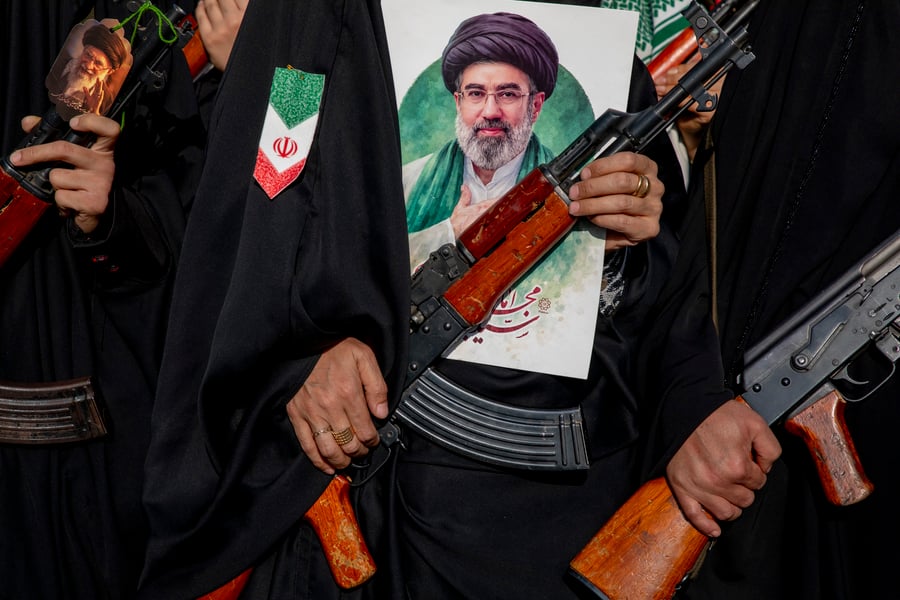
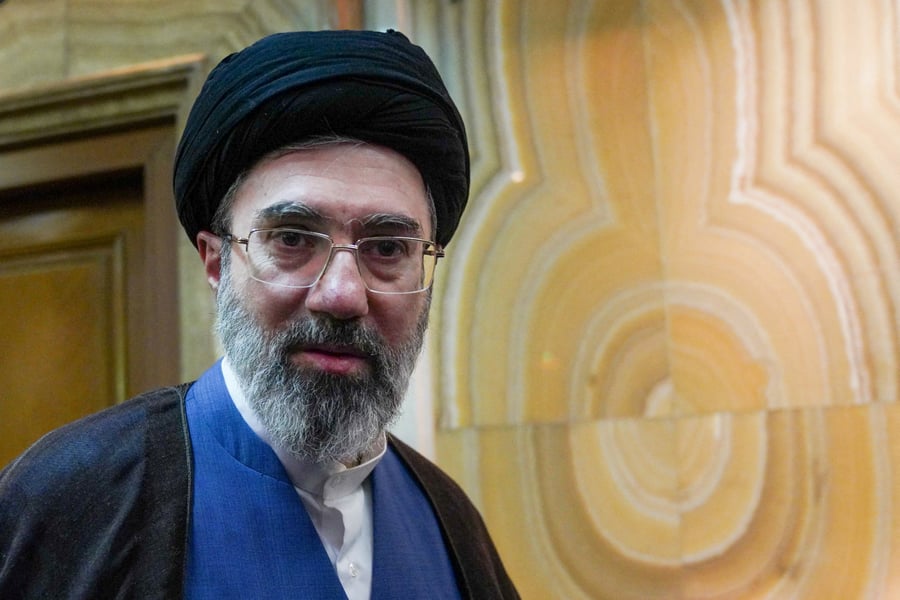
The message came in a statement published on the occasion of the Prophet Muhammad’s birthday. “My emphatic and repeated recommendation to the rulers of Islamic countries, especially the countries of West Asia and the Gulf, is to identify your real enemy, understand his plan and confront it,” Khamenei wrote. It was one of his few public interventions since February 28, the day US-Israeli strikes killed his father, the founding Supreme Leader Ayatollah Ali Khamenei, and propelled the son into the role of the Islamic Republic’s highest authority.
The timing is not incidental. Six months after those strikes began the current conflict, the economic damage to Iran is now measurable enough to be acknowledged. President Masoud Pezeshkian said last week that imports and exports have fallen nearly 35 percent, a consequence of American sanctions tightened since the war began and the near-closure of Hormuz to commercial traffic. Annual inflation has reached 66 percent. The US, for its part, has continued escalating the financial pressure: Washington this week targeted branches of Egypt’s Banque Misr in the United Arab Emirates, restricting them from dollar transactions over alleged dealings with Tehran.
Against that economic backdrop, Iranian Deputy Foreign Minister Kazem Gharibabadi announced Saturday that Iran had reached an “understanding” with Oman on a temporary maritime route through the Gulf. The strait itself, Gharibabadi was explicit, remains closed. “The Strait of Hormuz is closed,” he said. “Any vessel seeking passage would need to coordinate with Iran.” Implementing the understanding with Muscat, he added, would require the United States to honour its own commitments, a condition Washington has given no indication of meeting.
Oman has served as the region’s most consistent interlocutor between Tehran and Washington for decades, a role that has survived multiple changes of government in both capitals. Its willingness to broker a shipping corridor reflects both Muscat’s familiar diplomatic positioning and the acute pressure the Hormuz standoff has placed on Gulf economies, including Oman’s own, which remains dependent on oil transit revenues and foreign shipping activity.
Qatar’s Prime Minister and Foreign Minister Sheikh Mohammed bin Abdulrahman bin Jassim Al Thani travelled to Tehran on Thursday for talks on de-escalation and restoring Hormuz shipping, as first reported. The visit placed Doha among the most active Gulf mediators in the conflict, a position that carries its own tensions given Qatar’s close defence relationship with Washington and the US military presence at Al Udeid Air Base. What Sheikh Mohammed and Pezeshkian discussed in detail has not been made public.
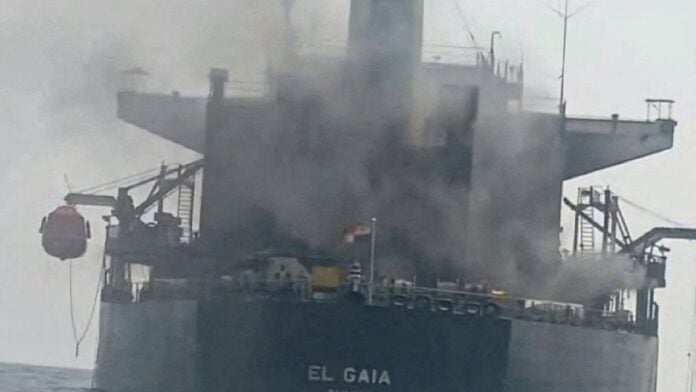
Transit data from the strait tells its own story. The waterway handled, before the war, roughly 20 percent of global oil and liquefied natural gas shipments. The sharp decline in vessel crossings reflects not just physical risk but the effective withdrawal of major maritime insurers from the region, the suspension of large commercial operators, and the compound effect of US sanctions on port services and financing across the Gulf.
Pezeshkian has framed Iran’s path out of the standoff around a diplomatic mechanism. “We can solve our problems and gain our privileges with the memorandum of understanding,” he said, calling for revival of the June interim agreement with Washington. Iran’s stated conditions for reopening the strait include the lifting of the US naval blockade and the removal of wartime sanctions, terms that, as of Saturday, Washington has not addressed.
The shipping crisis has strained every Gulf economy that depends on the strait, and that is most of them. The Oman corridor, if it can be made to function, would offer partial relief without resolving the underlying dispute. Tehran holds Hormuz as its principal strategic card in negotiations with Washington. Ceding that card, even through a temporary corridor arrangement, requires something in return from the United States that has not yet been offered. Iran’s economic data suggests the cost of holding that card is no longer abstract; it is being measured in inflation points and import receipts. Whether that calculus is approaching a turning point, the Supreme Leader’s birthday message does not say.