


TEHRAN – The Strait of Hormuz will stay closed until the United States ends what Iran’s most senior security official called an “economic war,” and on Thursday, Mohsen Rezaei, Secretary of Iran’s Supreme National Security Council, laid out for the first time a concrete list of conditions under which Tehran would allow commercial shipping to resume through the world’s most critical oil chokepoint.
Rezaei’s statement, delivered in an interview with Lebanon’s Al Manar television network and confirmed separately to the state-run Islamic Republic News Agency, transforms weeks of diplomatic signaling into formal demands. The conditions, he said, are not preliminary; they are the floor.
Iran’s terms, as Rezaei articulated them, are sweeping in scope: the United States must end the regional war and its naval blockade of Iranian ports; pay compensation for war damages; remove all sanctions; release Iran’s frozen assets; and secure a ceasefire in both Lebanon and Gaza. Meeting any single condition, he made clear, is not enough. All must be met simultaneously.
“Iran’s message is clear,” Rezaei posted on his official account on X. “The Strait of Hormuz will not reopen until the US ends the war and blockade, releases Iran’s frozen assets, and agrees to a region-wide ceasefire, including in Lebanon and Gaza. Until all conditions are met, the Strait will remain closed.”
The statement makes official what the Islamic Revolutionary Guard Corps has asserted for weeks. The IRGC, which controls physical access to the Strait, has refused to countenance any reopening unless Washington lifts its blockade, pays compensation, and dismantles the sanctions architecture that has throttled Iranian oil exports. Thursday’s declaration from Rezaei (a civilian security official rather than a military commander) signals that Tehran’s position is now unified across all arms of government.
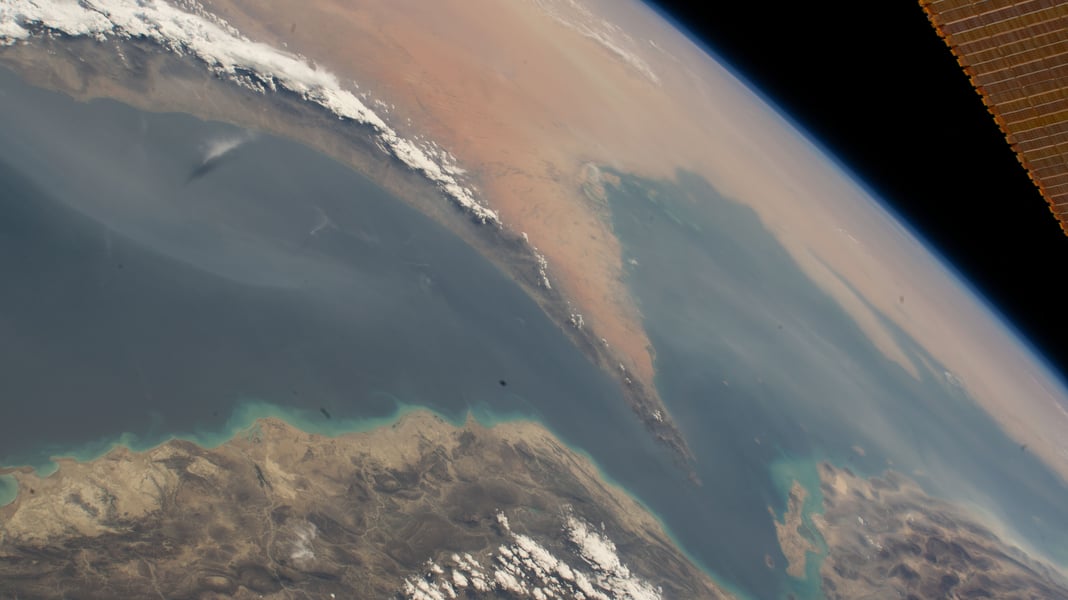
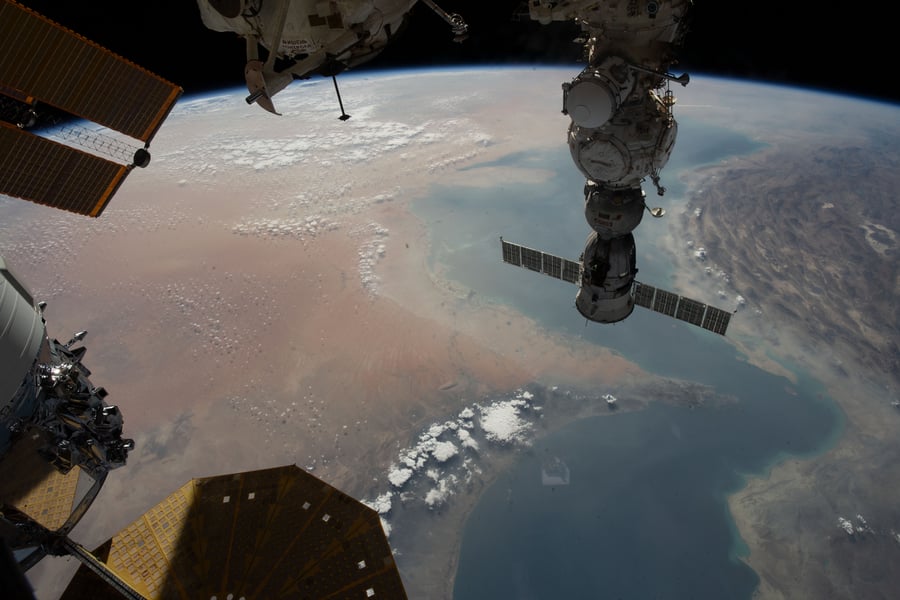
What had previously functioned as a veiled threat has hardened into a negotiating floor. The Strait of Hormuz (the 21-mile passage between Iran and Oman through which roughly one-fifth of the world’s oil supply moves) has been effectively closed to most international commercial shipping since the US naval campaign began. The consequences have rippled through global energy markets for months, with no resolution in sight.
Rezaei addressed the US campaign directly as an “economic war,” framing Iran’s closure of the Strait not as a geopolitical gambit but as a measured response to coercion. That framing matters: it positions Tehran’s demands not as maximalist territorial claims but as the restoration of a legal and economic baseline that Washington dismantled. “If the economic war continues,” Rezaei said in recent days, “not a single drop of oil will be exported, neither through the Strait of Hormuz nor from anywhere in the Persian Gulf.”
Iran has conveyed its conditions on both the Strait of Hormuz and broader security arrangements to the United States through Pakistan, according to Sputnik International, a signal that Islamabad is serving as one of Tehran’s communication channels with Washington even as direct diplomatic engagement remains frozen.
Into that impasse, Iran’s neighbors have inserted themselves carefully. Iran and Oman have agreed to establish a shipping corridor that runs partly through Omani waters and partly through Iranian waters; ships would use a middle channel if the United States eventually meets Tehran’s conditions. That agreement signals that Oman, historically one of the Gulf’s most reliable diplomatic back channels and a country that has maintained stable relations with Tehran throughout the crisis, is positioning itself as an indispensable intermediary.
According to Al-Monitor, Iran and Oman have also reached an agreement to share revenue from shipping fees if the strait eventually reopens, creating a concrete financial incentive for Muscat to remain engaged as a mediator and for Tehran to preserve Oman’s role. The revenue-sharing dimension adds a financial architecture to what had previously been purely a diplomatic arrangement.
Qatar’s Prime Minister, Sheikh Mohammed bin Abdulrahman Al Thani, traveled to Tehran this week pressing Iran’s leadership directly on the Hormuz question. Qatar’s liquefied natural gas exports transit the Gulf, and Doha has an acute economic stake in any arrangement that restores commercial shipping. Qatari diplomatic engagement alongside Omani mediation suggests that the Gulf’s more pragmatic governments have concluded that deferring to Washington is not a viable strategy.
The multilateral context matters. Iran has deepened relationships with countries that have declined to join the US economic pressure campaign, even as American energy companies move toward alternative oil supply deals with Venezuela to offset the disruption to Persian Gulf flows. Russia, which views multilateral bodies as the center of an emerging multipolar world order, has declined to join Western pressure on Tehran, a diplomatic reality that strengthens Iran’s negotiating position considerably.
Iran’s conditions, read as a whole, constitute something closer to a demand for strategic reversal by the United States than a negotiating opening. Lifting the naval blockade, removing sanctions, releasing frozen assets, paying war compensation, and securing ceasefire arrangements in Lebanon and Gaza collectively require Washington to abandon nearly every instrument of pressure it has deployed against Tehran in the current campaign.
What Rezaei’s statement does not say is how Iran would respond if Washington simply ignores the conditions. That gap is not an oversight: it is the question Washington will eventually have to answer.













